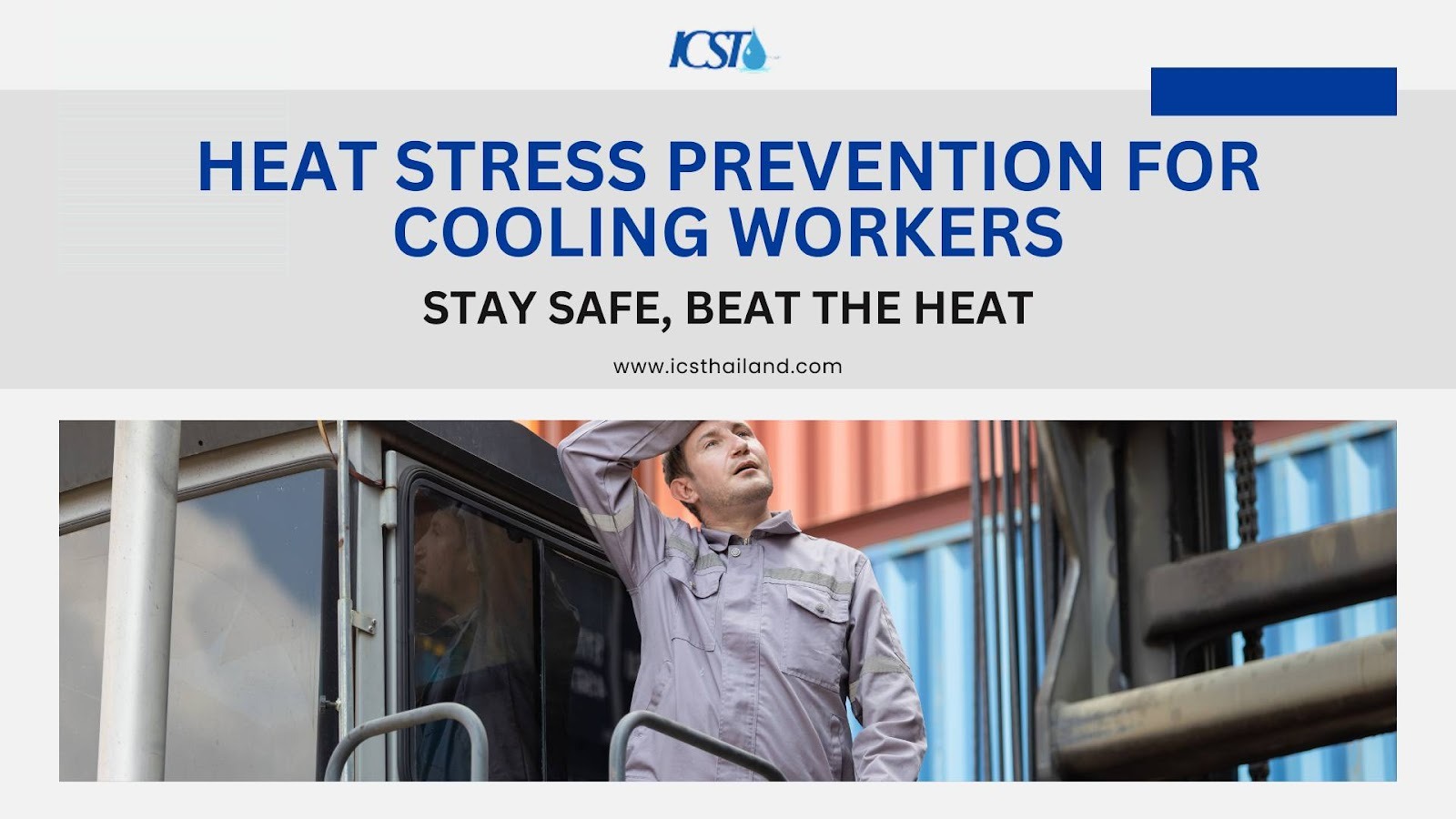
Heat stress prevention for cooling workers is an urgent priority across industrial sites. Cooling towers are essential for industrial operations, but they present a paradox. While they cool machinery, they create hazardous environments for the people who maintain them. The combination of high temperatures and extreme humidity creates a “micro-climate” that standard thermometers often fail to capture. This increases the risk of heat stress for technicians working inside or near these units.
We adhere to the ICST Engineering Standard. This approach prioritizes preventing heat stress by designing systems that minimize manual labor. We optimize the maintenance environment to reduce heat exposure. True operational resilience protects your team. It prevents costly unplanned downtime caused by worker fatigue or injury. When you prioritize worker safety, you secure the longevity of your infrastructure.
2026 Regulatory Pivot: Navigating OSHA & Regional Mandates
The regulatory landscape regarding heat stress prevention is shifting rapidly. Governments now recognize the severe danger of heat-related illnesses in industrial settings.
The New OSHA HIIPP Standard (2026)
The Occupational Safety and Health Administration (OSHA) has introduced the Heat Injury and Illness Prevention Plan (HIIPP). This standard is now required for all industrial work. It mandates that employers create a comprehensive written plan. This plan must identify heat hazards and outline specific response protocols.
The “High-Heat Trigger”
Federal guidelines now include a “High-Heat Trigger” at 32.2°C (90°F). When the air temperature reaches this threshold, employers must implement mandatory rest breaks. You must also issue hazard alerts to all staff. This trigger is non-negotiable and requires strict monitoring of environmental factors.
Glocal Compliance
Compliance extends beyond US borders. In the Gulf Cooperation Council (GCC) nations like Saudi Arabia, the UAE, and Qatar, companies must navigate Midday Work Bans. These bans prohibit outdoor work during peak heat periods.
Similarly, Southeast Asian hubs like Bangkok have implemented humidity-adjusted safety standards. These regulations account for the intense, ho,t and humid conditions typical of the region.
Engineering Controls: Designing a Safer Workspace
Administrative controls alone cannot prevent heat stress. We must integrate engineering controls directly into the workspace design.
- Radiant Heat Shielding: We use specialized FRP (Fiberglass) cladding for Geothermal and Heavy Industrial towers. This material acts as a barrier against radiant heat. It protects technicians from the ambient surface heat generated by the equipment.
- Integrated Misting & Recovery Zones: Modern towers should feature permanent shaded platforms. These areas must include industrial-grade air movement and misting systems. These zones facilitate rapid heat dissipation and body cooling.
- Automated Monitoring: Reducing the need for manual inspections is crucial. By integrating remote sensors, you reduce the time workers spend in hot environments.
Heat Stress Prevention Matrix for Cooling Workers
To manage heat stress risks effectively, we utilize a tiered mitigation strategy. This matrix aligns with the 2026 Technical Standard.
Heat Stress Prevention Framework for Cooling Workers
| Category / Risk | ICST Solution / Product | Technical Standard / Trigger | Implementation Notes |
|---|---|---|---|
| Regulatory Compliance / Non-compliance during extreme heat | HIIPP plans integrated with ICST site audits | OSHA-aligned 2026 | Includes Bangkok and SE Asia micro-climates |
| High-Heat Trigger / Sudden rise in ambient + humidity | Automated WBGT alerts & monitoring sensors | Air temp ≥ 32.2°C | Alerts connected to tower control systems |
| Regional Mandates / Peak solar exposure | Task scheduling aligned with local bans | Midday work ban 12:00–15:00 | Works with ICST maintenance scheduling |
| Micro-Climate Detection / Hidden hot zones inside towers | WBGT sensors integrated in tower design | Sensor at working elevation | Standard thermometers replaced by ICST monitoring |
| Radiant Heat Exposure / Hot surfaces of towers & parts | FRP Members, Thermal shielding | Industrial FRP with radiant resistance | Installed on new & retrofitted towers |
| Convective Heating Risk / Fan misuse at high temp | ICST fans with controlled operation | Disable fans >35°C | Integrated into automated monitoring |
| Recovery Zones / Inadequate cooling breaks | Shaded, misted platforms designed by ICST | Permanent installations | Supports maintenance & inspection areas |
| Remote Inspections / Excessive exposure | Automated dashboards, remote monitoring | Continuous remote access | Reduces manual presence in high-risk zones |
| Work-Rest Enforcement / Overexertion | ICST maintenance SOPs | WBGT ≥ 33°C → 20-min break / 2 hrs | Logs integrated into site safety plan |
| Hydration Management / Dehydration | Pre-shift briefing + hydration zones | 250 ml every 15–20 min | Supervisor-verified in ICST maintenance protocols |
| Electrolyte Balance / Sodium loss | Hypotonic electrolyte solutions | Industrial-grade, low sugar | Part of ICST site hydration strategy |
| Cooling PPE Failure / High humidity | PCM cooling vests | Phase change at 18°C | Used during tower inspections & high temp tasks |
| Acclimatization / New or returning workers | Gradual exposure SOP | Rule of 20% per day | Applied to staff on ICST sites |
| Early Symptom Detection / Delayed response | Buddy system + training | Continuous observation | Trained by ICST safety officers |
| Heat Exhaustion / Progressive illness | Immediate cooling + rest | Non-emergency protocol | ICST SOP ensures rapid response |
| Heat Stroke Emergency / Life-threatening | Ice immersion / aggressive spray | Cool First, Transport Second | On-site ICST emergency equipment |
| Audit & Verification / Undetected failures | Heat Hazard Safety Audits by ICST | Site-specific assessment | Trained engineers verify all cooling towers |
Engineering Tier
- Ventilation & Shielding: Ensure adequate air movement. Restrict fan use when the air temperature exceeds 35°C. Above this point, fans may cause “convective heating,” acting like a convection oven rather than cooling the worker.
Administrative Tier
- Work-Rest Cycles: Implement strict schedules. When the Wet Bulb Globe Temperature (WBGT) exceeds 33°C, enforce a mandatory 20-minute break every 2 hours.
- Schedule Adjustments: Schedule heavy tasks during cooler parts of the day. Avoid physical exertion during peak sun hours.
Hydration Tier
- Electrolyte Replacement: Encourage workers to drink 1 cup (250ml) of fluid every 15–20 minutes. Do not exceed 1.5 liters per hour. Proper hydration is critical for sweat evaporation and cooling.
PPE Tier
- Phase Change Vests: Standard cooling vests may fail in high humidity. Use Phase Change Material (PCM) vests instead. These maintain a steady 18°C cooling effect even in hot air.
Medical Tier
- Acclimatization: Follow the “Rule of 20%.” For new staff or those returning from leave, increase heat exposure by only 20% daily. This allows the body temperature regulation system to adapt gradually.
Advanced Hydration & Nutrition Strategies
Water is essential, but plain water is often insufficient for 6+ hour shifts in high-temperature environments.
The “Hypotonic” Challenge
Drinking only water during excessive sweating can lead to hyponatremia. This condition occurs when sodium levels in the blood become dangerously low. Workers need electrolyte-rich protocols.
Electrolyte Replacement
Replace sodium, potassium, and magnesium lost through sweat. Avoid high-sugar sports drinks, as they can cause energy crashes. Opt for industrial-grade electrolyte solutions designed for hot jobs.
Pre-Hydration Awareness
Ensure workers are “hydrated before they arrive.” This is the primary defense against early-shift heat syncope (fainting). Urine color charts in restrooms can help workers self-monitor their hydration status.
Symptom Recognition & The “Buddy System”
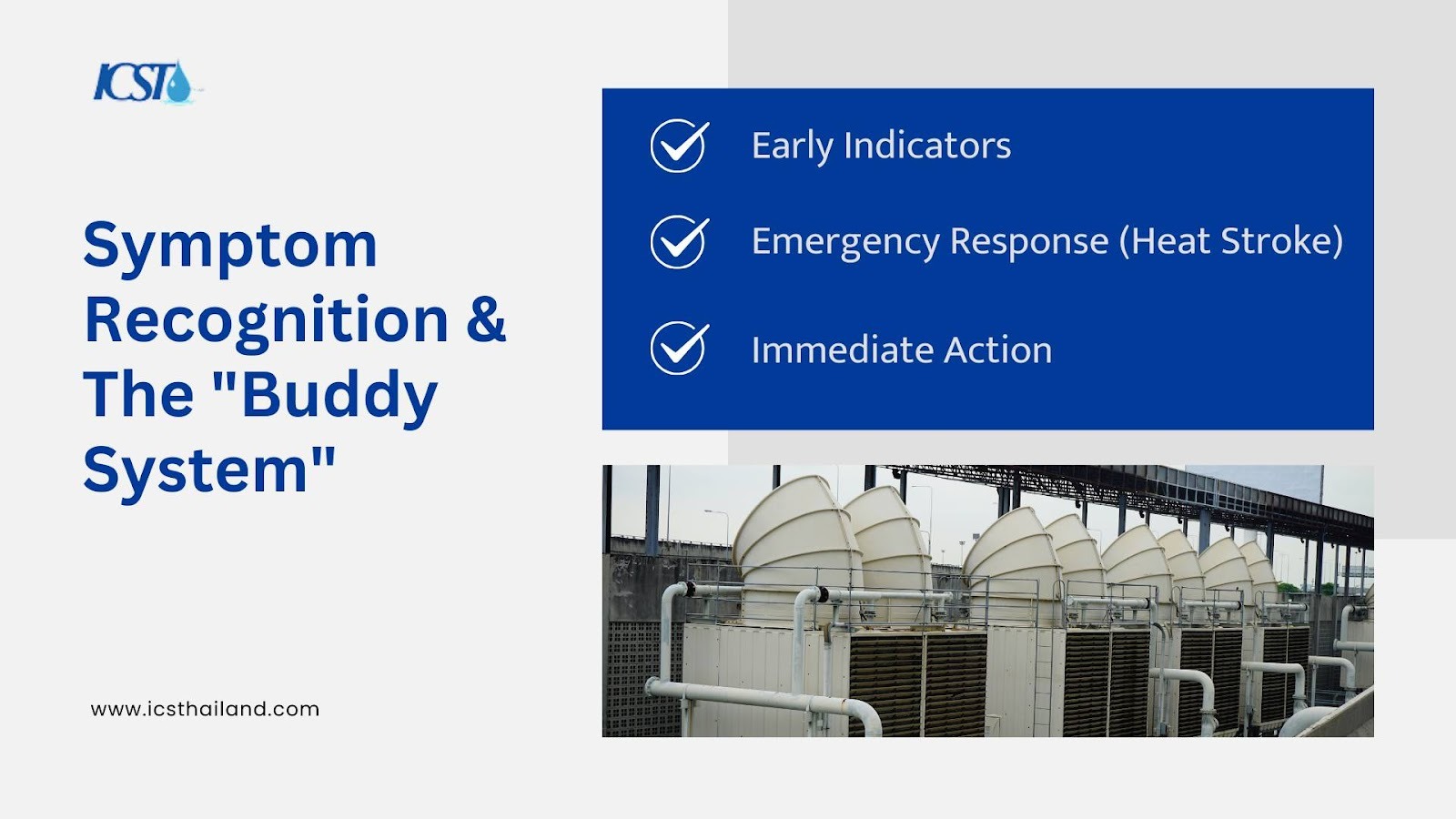
Early detection saves lives. Every worker must know the symptoms of heat stress and look out for their colleagues.
- Early Indicators: Watch for heat cramps, heat rash, and excessive fatigue. Be alert for the “cognitive fog” associated with heat exhaustion. This confusion often precedes more serious conditions.
- Emergency Response (Heat Stroke): Heat stroke is a medical emergency. The 2026 mandate is “Cool Down First, Transport Second.”
- Immediate Action: If a worker shows signs of heat stroke, use ice water immersion or aggressive spray cooling immediately. Lowering core body temperature rapidly is critical for survival.
The ICST Regional Advantage: Bangkok Hub
Our strategic location allows us to support heat stress prevention across the region.
Rapid Safety Audits
We dispatch technical assistants for “Heat Hazard Audits” across Asia and the Middle East. These audits assess risk factors specific to your site, such as direct sunlight exposure and hot surfaces.
Specialized Maintenance
We engineer solutions for seawater and acid environments. Standard cooling methods often fail in these harsh conditions. Our specialized maintenance plans protect both the machine and the worker.
Conclusion: Safety as a Performance Metric
Heat stress prevention for cooling workers is not just a regulatory burden. It is a fundamental pillar of technical feasibility and operational continuity. Managing heat stress is essential for worker health and business success.
A cool, hydrated workforce is a precise workforce. Evidence-based strategies protect employees and ensure the longevity of your cooling infrastructure. As temperatures rise due to climate change, these safety practices will become even more vital.
Is your site prepared for the 2026 Heat Mandates? Contact ICST for a WBGT Site Assessment and modernize your safety plan today.
Frequently Asked Questions (FAQs)
What is heat stress prevention for cooling workers?
Heat stress prevention involves strategies like proper hydration, work-rest cycles, and engineering controls to protect workers from heat-related illnesses in high-temperature environments.
Why is heat stress prevention important for cooling workers?
It reduces the risk of heat-related incidents, ensures worker safety, and maintains operational efficiency in hot and humid conditions.
What are the best practices for managing heat stress in cooling workers?
Key practices include providing shaded rest areas, encouraging frequent breaks, using cooling vests, and implementing hydration plans with electrolyte-rich fluids.
How can engineering controls help prevent heat stress?
Engineering controls like ventilation systems, radiant heat shielding, and misting zones reduce environmental heat exposure for cooling workers.
What are the early symptoms of heat stress cooling workers should watch for?
Early symptoms include excessive sweating, heat cramps, fatigue, and cognitive fog. Recognizing these signs early can prevent severe heat-related illnesses.