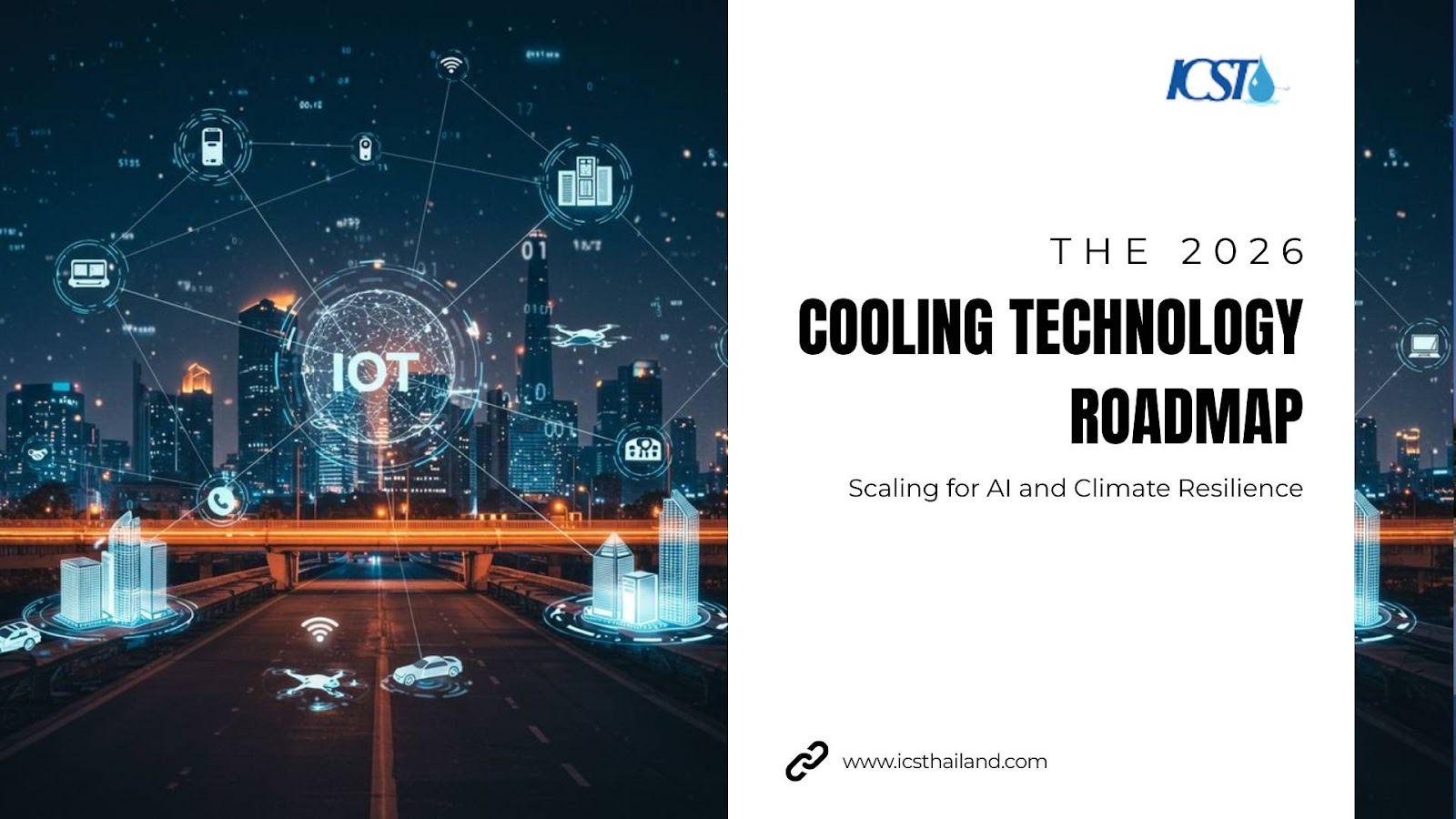
The industrial landscape faces a critical turning point, and the need for a clear cooling technology roadmap has never been greater. Traditional air-cooling methods, specifically Computer Room Air Handlers (CRAH) and Computer Room Air Conditioning (CRAC), have officially hit the “Thermal Wall.” Rack densities now frequently exceed 120kW, a heat load that simply overwhelms legacy air-based infrastructure. This is no longer a challenge for the distant future; it is an immediate operational bottleneck.
ICST operates with a specific mission in this new environment. We move beyond simply supplying equipment. Our focus shifts to “Thermal Orchestration.” This approach engineers solutions that remain financially feasible for businesses, technically rugged for harsh environments, and environmentally sustainable.
Our strategic dispatch center in Bangkok positions us perfectly for this transition. We support the fastest-growing industrial corridor in the world, providing same-day technical assistance where it matters most.
Adoption Timeline: The Industrial Evolution (2024–2030)
The shift from air to advanced cooling does not happen overnight. The industry will follow a distinct adoption curve over the next six years.
2024–2025: The Hybrid Era
Currently, facilities are in a transitional phase. Operators are deploying Rear Door Heat Exchangers (RDHx) and modular Cooling Distribution Units (CDUs). These technologies allow legacy data centers to handle higher-density pockets without a complete facility overhaul.
2026: The Standard Shift
This year marks the tipping point. Liquid cooling adoption reaches 76% in major AI hubs. Simultaneously, new mandates force a mandatory transition away from high-Global Warming Potential (GWP) refrigerants like R-410A. Compliance becomes as critical as performance.
2027–2030: The Autonomous Era
By the end of the decade, mass adoption of Solid-State (Magnetocaloric) cooling will occur. These systems offer ultra-stable thermal management, making them essential for sensitive industrial and medical environments.
Strategic Matrix: 2026 Cooling Technology Roadmap
To navigate this roadmap effectively, organizations must align their strategic goals with emerging technology pillars.
- Ultra-High Density: The industry is moving from pilot programs to scale for Single and Two-Phase Immersion cooling. This is vital for specialized edge computing and optimized footprint designs in crowded urban hubs.
- Water Neutrality: We utilize Seawater and “Dirty Water” technologies. These systems are engineered specifically for high-silt, corrosive coastal zones, allowing operations to bypass freshwater limitations.
- Zero-GWP Compliance: Magnetocaloric (Solid-State) cooling represents the innovation frontier. We are hardening these systems for acid and heavy industrial applications to ensure they meet environmental standards.
- Net-Zero Energy: Geothermal and heat recovery systems are hitting the mainstream. These technologies utilize the earth as a thermal battery, significantly reducing the energy required for heat rejection.
R&D Focus: Where Innovation Meets Industrial Reality
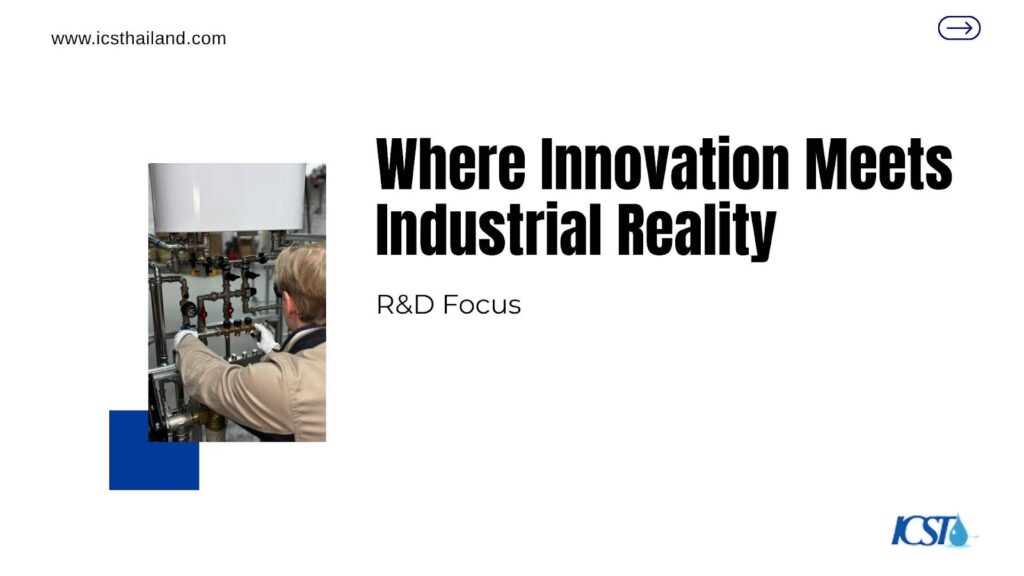
Research and Development in 2026 prioritizes removing heat at the source rather than managing it after it fills a room.
Direct-to-Chip (D2C) & Cold Plates
The primary research and development priority for the year ahead. By capturing heat directly at the processor level, facilities can save 15-20% on total facility energy. It is the most direct path to efficiency for high-performance computing.
Biomimicry in Heat Exchangers
Engineers are looking to nature for design solutions. We utilize fractal geometry, inspired by leaf veins, to maximize surface area in heat exchangers. This design maintains a Low Pumphead, reducing the mechanical energy required to move fluid through the system.
Magnetocaloric Systems
This technology is the “Gold Standard” for quiet cooling in 2026. These systems use magnetic fields instead of harmful refrigerants and noisy compressors. The result is a silent, efficient, and environmentally friendly cooling solution.
AI-Driven “Thermal Orchestration”
Hardware alone cannot solve the thermal challenges of 2026. Software and artificial intelligence play a pivotal role in managing complex thermal loads.
- Agentic AI Controls: We are moving away from simple reactive sensors. Autonomous “Thermal Agents” now predict GPU workload spikes and pre-cool systems before the heat is even generated.
- Digital Twin Modeling: Every 2026 ICST installation includes a digital twin. This allows us to simulate extreme climate scenarios, such as Middle East heatwaves, to ensure system resilience before real-world implementation.
- Predictive Maintenance: Acoustic IoT sensors provide Autonomous Leak Detection in liquid loops. These sensors listen for the unique sonic signature of a leak, allowing for immediate intervention.
Investment Priorities: The Strategic Planning Phase
Smart capital allocation defines success in this new era. Organizations must prioritize investments that offer long-term resilience.
Retrofit Resilience
Many competitors focus solely on greenfield builds. ICST specializes in modular retrofits for legacy manufacturing. We believe in extending the life of current assets rather than forcing unnecessary new construction.
Resource Flexibility
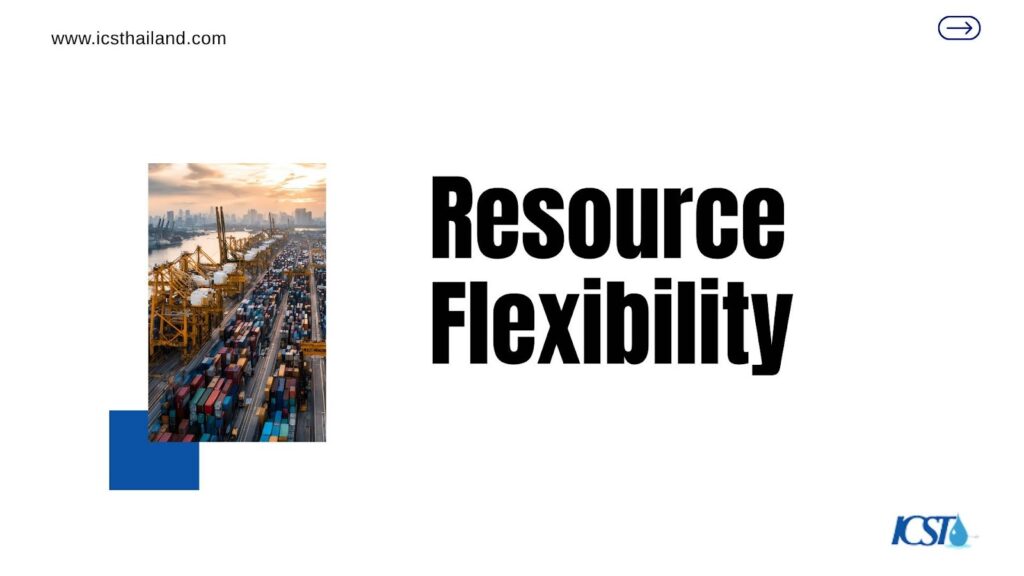
Water scarcity is a growing concern. While others struggle with freshwater limits, we lead in unconventional water source engineering. Our systems operate effectively using sea, brackish, or acidic water sources.
Noise & Plume Mitigation
Urban cooling plants face strict regulations regarding noise and visual pollution. Our designs meet the 2026 “Acoustic Psychoacoustic” standards. We eliminate the annoying high-frequency whining associated with traditional cooling infrastructure.
Conclusion: Designing for the 2030 Net-Zero Roadmap
Achieving success in 2026 demands a transformative change in perspective. We must move from the concept of simply “Moving Heat” to true “Thermal Stewardship.”
The ICST promise is to bridge the gap between cutting-edge physics and rugged industrial feasibility. We ensure that your thermal management strategy supports your business goals rather than hindering them.
Is your 5-year cooling technology roadmap ready for the AI thermal surge? Contact ICST for a Future-Proof Thermal Audit and secure your operational license today.
Frequently Asked Questions (FAQs)
What is the 2026 cooling technology roadmap?
The 2026 cooling technology roadmap outlines the transition to advanced cooling technologies like liquid immersion, magnetocaloric systems, and geothermal solutions to meet AI and climate resilience demands.
Why is transitioning to new cooling technologies important?
Transitioning ensures compliance with environmental mandates, supports high-density AI workloads, and reduces energy consumption while achieving sustainability goals.
What are the benefits of liquid cooling technologies?
Liquid cooling offers efficient heat management, supports ultra-high-density systems, and reduces reliance on traditional air-cooling methods that have reached their limits.
How does ICST support the cooling technology roadmap?
ICST provides innovative solutions like “Dirty Water” systems, geothermal adaptations, and modular retrofits to bridge the gap between legacy assets and future demands.
What is thermal orchestration, and why is it essential?
Thermal orchestration integrates advanced cooling systems with AI-driven controls to optimize performance, predict thermal loads, and ensure operational resilience.