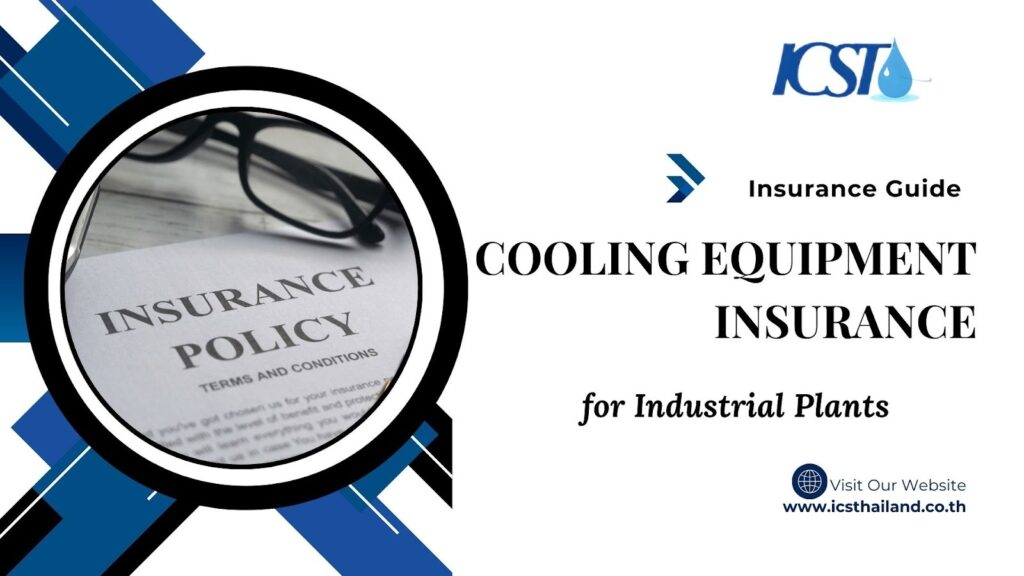
Industrial operations rely heavily on consistent temperature control to maintain safety and production standards. When a cooling tower, chiller, or heat exchanger fails, the consequences ripple immediately throughout the entire facility. Production halts, raw materials spoil, and revenue evaporates within hours of the incident.
This is where comprehensive cooling equipment insurance becomes a critical safety net. It does not merely cover the cost of repairing a broken fan or motor; it protects the financial stability of the entire organization during a crisis. Understanding the nuances of this coverage helps facility managers and owners mitigate the severe risks associated with mechanical failures.
Why Cooling Systems Are a High-Priority Insurance Asset
Cooling systems act as the heart of many industrial processes, from petrochemical refining to pharmaceutical manufacturing. If this heart stops beating, the entire operation faces immediate and often catastrophic consequences.
Why do risk managers and insurers view these systems as high-stakes assets? The answer lies in the complex chain reaction that occurs when heat rejection fails.
- Operational Dependency: Chemical, manufacturing, HVAC, and petrochemical plants require uninterrupted cooling to prevent dangerous pressure build-ups and maintain product integrity.
- Common Failure Points: These systems operate under immense stress, making them prone to mechanical breakdown, electrical faults, motor burnout, fill collapse, leaks, contamination, and corrosion.
- Business Interruption: The financial loss from a stopped production line often exceeds the physical cost of the repair, creating a high business interruption risk when cooling capacity drops.
- Shutdown Triggers: Cooling failures frequently trigger automatic safety shutdowns, leading to immediate quality losses and the need for expensive system purges.
What Cooling Equipment Insurance Covers
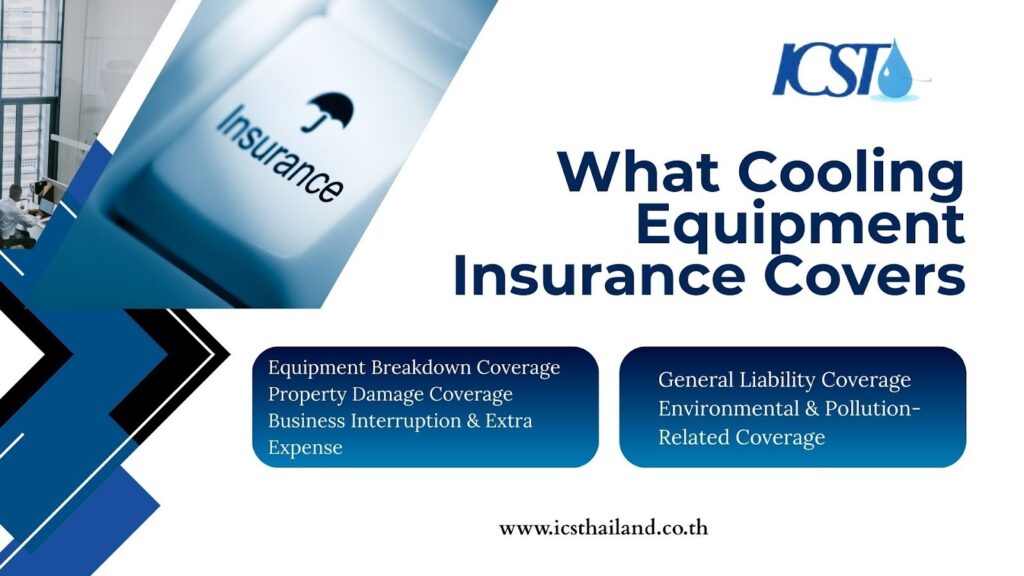
A standard property policy rarely provides sufficient protection for complex industrial machinery. Specialized coverage addresses the unique risks of mechanical breakdown and the resulting financial fallout.
Equipment Breakdown Coverage
Standard commercial property policies often exclude damage caused by internal forces, such as power surges or mechanical seizing. Equipment breakdown coverage fills this gap by specifically addressing internal failures.
Does your policy cover the internal workings of your machinery? This section ensures that the physical components of your cooling infrastructure are protected against non-external damage.
- Sudden Failure: This covers sudden and accidental mechanical, electrical, or pressure-related failures that require immediate repair.
- Component Replacement: Insurance pays for the repair or replacement of damaged cooling components, including costly parts like compressors and drive shafts.
- Specific Machinery: The policy extends to critical sub-assemblies such as fans, motors, drive assemblies, heat exchangers, gearboxes, pumps, and piping.
Property Damage Coverage
While breakdown coverage handles internal issues, property damage coverage protects against external threats. This acts as the first line of defense against environmental and accidental hazards.
How does your facility recover from a fire or a severe storm? This component of your insurance portfolio addresses physical loss caused by forces outside the machinery itself.
- Physical Loss: This includes protection against physical loss due to fire, impact, storm, and accidental damage from external sources.
- Structural Integrity: Coverage extends to structural damage to cooling towers, basins, and auxiliary components that may suffer from severe weather events.
Business Interruption (BI) & Extra Expense
The most significant financial threat during a cooling failure is often the inability to operate. Business Interruption (BI) coverage replaces lost net income during the downtime.
Can your business survive two weeks without revenue while expenses continue to mount? BI and extra expense coverage provide the liquidity needed to navigate the recovery period.
- Revenue Protection: This compensates for production downtime losses, ensuring the business maintains its cash flow despite the halt in operations.
- Recovery Costs: Extra expense coverage pays for costs such as renting temporary cooling units or paying overtime to increase output after recovery.
General Liability Coverage
Liability issues arise when a failure in your system affects people or property outside of your direct operations. This is particularly relevant if your cooling towers drift onto neighboring properties.
What happens if a malfunction injures a contractor or damages a third party’s vehicle? General liability coverage steps in to handle legal defense and settlement costs.
- Third-Party Claims: This protects against claims of third-party bodily injury or property damage resulting from your equipment operations.
- Exclusions: Be aware of limitations related to contamination, mold, or water-borne incidents, which often require specific endorsements.
Environmental or Pollution-Related Coverage
Cooling systems often contain large volumes of chemically treated water. If this water escapes, the environmental cleanup costs can be staggering.
Are you prepared for the regulatory fines and cleanup costs of a chemical spill? Environmental coverage addresses the liabilities associated with the release of hazardous substances.
- Contamination Events: This covers the costs associated with contamination events where treated water enters local soil or waterways.
- Spills and Discharge: Coverage includes remediation for spills or uncontrolled water discharge from cooling units.
Essential Endorsements for Cooling Equipment
Base policies frequently contain exclusions that leave industrial plants exposed to specific, high-value risks. Adding endorsements allows you to tailor the policy to the realities of industrial cooling.
Why do standard policies often fail to pay out for bacterial outbreaks or food spoilage? You must consider these specific endorsements to ensure cooling equipment insurance provides full protection.
- Legionella Coverage: A standard policy usually excludes bacteria; a waterborne pathogen endorsement is essential for liability protection against Legionella outbreaks.
- Increased BI Limits: Standard business interruption limits may not cover the extended lead times required to manufacture custom cooling towers.
- Spoilage Protection: This endorsement covers the loss of perishable stock or raw materials caused by a temperature control failure.
- Service Interruption: This extends coverage to losses caused by the failure of incoming utility services, such as water or electricity.
- Expedited Repairs: This covers the premium costs for air freight or overtime labor to rush parts and get the plant back online faster.
What Insurers Evaluate Before Pricing Your Coverage
Insurers conduct a rigorous risk assessment before binding coverage for heavy industrial equipment. They look for evidence that the plant manager proactively mitigates the likelihood of a claim.
Underwriters look closely at specific risk factors before they determine your premium. They need to see evidence of responsible asset management and safety protocols.
- Total Insurable Value (TIV): The underwriter calculates the full replacement cost of the cooling assets and the potential value of lost production.
- Asset Health: Insurers evaluate the cooling equipment age, condition, and recent maintenance history to determine the probability of failure.
- Water Management: Detailed water-treatment logs and inspection records demonstrate that corrosion and biological growth are under control.
- Redundancy: Plants with redundancy measures, such as backup motors and spare components, receive more favorable terms due to reduced downtime risk.
- Monitoring Tech: The presence of monitoring and automation systems, like vibration sensors and thermal checks, indicates a proactive approach to failure prevention.
- Loss History: A review of claims history and corrective action records helps the insurer understand if past issues have been permanently resolved.
- Documentation: Providing a comprehensive documentation checklist ensures a smooth underwriting process and prevents delays in quoting.
Premium Factors and How to Lower Them
Insurance premiums are not fixed; they reflect the perceived risk of your specific operation. By addressing the key drivers of risk, plant managers can negotiate better rates.
Insurance costs do not have to break your operating budget. Understanding what drives premiums up allows you to take control and implement cost-saving measures.
- Main Premium Drivers: Costs are primarily driven by equipment value, operational risk level, the age and reliability of cooling assets, safety controls, and location exposure.
- Preventive Maintenance: Implementing robust preventive maintenance programs proves to the insurer that the equipment is less likely to fail unexpectedly.
- Regular Inspections: Documented inspections and performance monitoring reduce the “fear of the unknown” for the underwriter.
- Water Compliance: Strict water-treatment compliance minimizes the risk of expensive corrosion or Legionella claims.
- Risk Control: Documented risk-control programs demonstrate a culture of safety that insurers reward with lower premiums.
- Vendor Contracts: Having established vendor SLAs and emergency response contracts reduces the potential length of a business interruption claim.
Claims-Ready Guide: Actions to Take After Cooling Equipment Failure
The moments immediately following a breakdown are chaotic, but the actions taken during this window dictate the success of the insurance claim. Speed and accuracy are vital.
Chaos often follows a major equipment failure, but panic will hurt your claim outcome. Follow these steps to secure the scene and ensure a smooth payout process.
- Safety First: Initiate immediate safety protocols to protect personnel and prevent further damage to the facility.
- Preserve Evidence: Do not discard damaged parts; document the scene properly with photos and videos before starting cleanup.
- Notify Insurer: Take immediate steps to notify the insurer and provide incident details to trigger the claims process.
- Emergency Mitigation: Arrange for temporary cooling or emergency repair actions to minimize the business interruption loss.
- Gather Records: Compile required documentation, including maintenance logs and purchase orders, for fast claim processing.
- Track Losses: Work with accounting to calculate BI losses effectively, separating normal expenses from extra expenses incurred due to the loss.
- Vendor Coordination: Begin coordinating with vendors and repair teams, ensuring they understand the documentation requirements of the insurer.
How to Choose the Right Insurance Partner
Industrial cooling is a niche field that requires specialized insurance knowledge. A generalist broker may miss critical exposures related to chemical treatment or thermal load.
A generalist broker may not understand the specific needs of industrial heat rejection. Look for these qualities in your insurance partner to ensure they can advocate for you effectively.
- Specialized Knowledge: The partner must have industry experience required to understand the nuances of industrial manufacturing and HVAC.
- Technical Understanding: Look for a deep knowledge of industrial cooling systems and the specific failure modes associated with them.
- Endorsement Access: The broker must have the ability to place specialized endorsements like Legionella and accidental contamination coverage.
- Claims Support: Evaluate their claims response track record to ensure they will be active advocates during a loss.
- Risk Services: Choose a partner who offers support with risk assessments and surveys to help you lower your risk profile before renewal.
Conclusion
Securing the right cooling equipment insurance is a fundamental responsibility for any industrial plant manager. These systems are too critical to the operation to be left exposed to the risks of mechanical failure or environmental liability.
From protecting against the high costs of equipment breakdown to ensuring the business survives a production stoppage through Business Interruption coverage, the right policy acts as a financial shield. Remember to review pollution-related coverage and verify that you have endorsements for specific risks like Legionella.
Do not wait for a compressor to seize or a tower to collapse before evaluating your coverage. Review your policy today, ensure your maintenance documentation is impeccable, and contact a specialist to close any gaps in your protection.
Frequently Asked Questions
What is cooling equipment insurance?
Cooling equipment insurance protects chillers, cooling towers, heat exchangers, pumps, and related assets against breakdown, property damage, and operational losses. It ensures plants stay operational when failures occur. It also covers repair or replacement costs.
What does cooling equipment insurance typically include?
It typically includes equipment breakdown (mechanical failures), property damage (external causes), business interruption (lost income), and general liability. It is designed to cover the gap left by standard property policies regarding internal mechanical issues.
How much BI coverage does a plant need?
A plant needs enough Business Interruption coverage to sustain net profit and continuing expenses (payroll, rent, utilities) for the entire duration of the downtime. This should also factor in lead times for replacement parts.
Does the age of the equipment affect eligibility?
Yes, older equipment is harder and more expensive to insure. Insurers may require higher deductibles or limit coverage to “actual cash value” rather than “replacement cost” for aged assets.