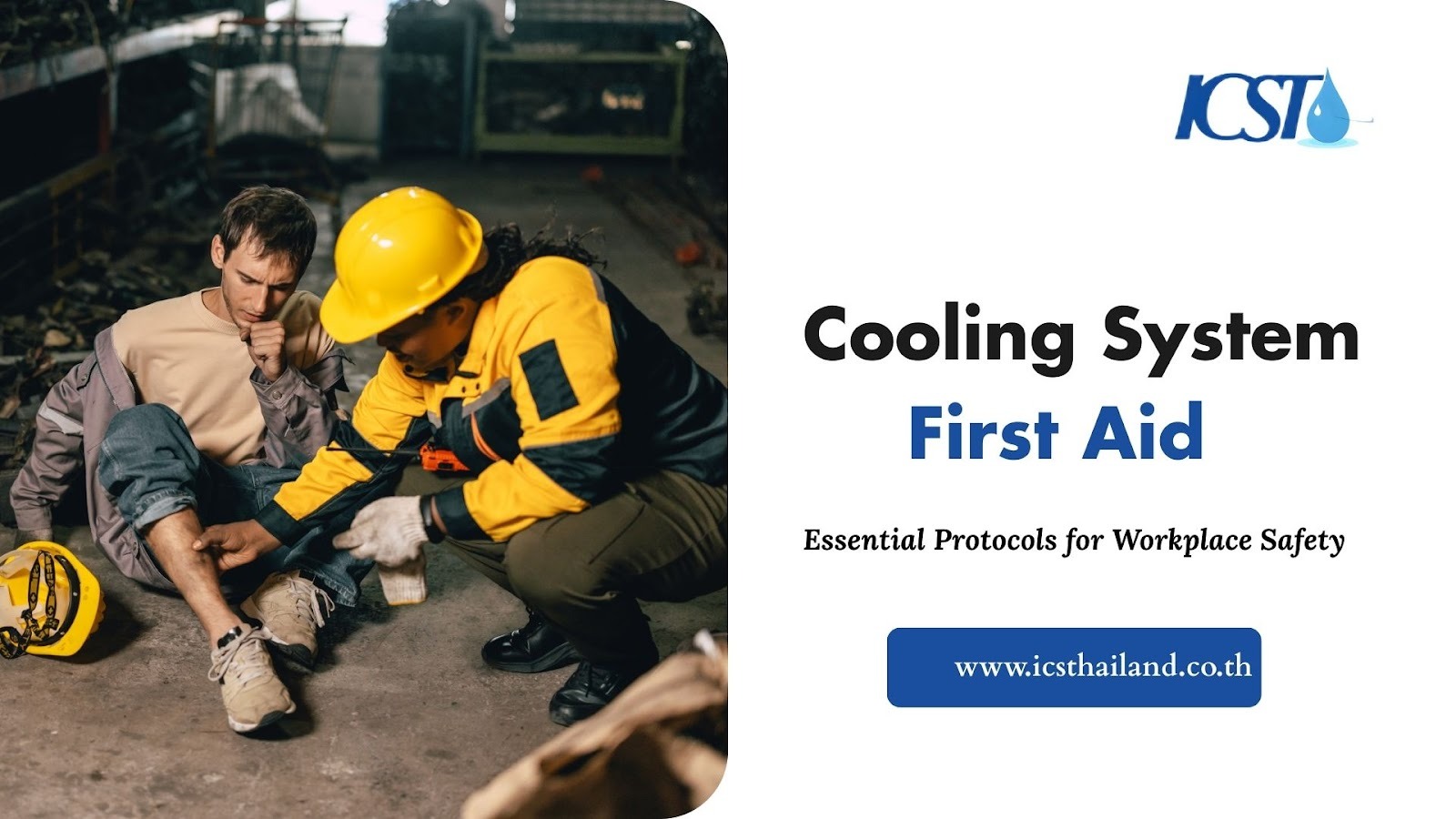
Industrial cooling systems are the backbone of many manufacturing and processing facilities. From cooling towers to massive pump stations and HVAC networks, these systems maintain operational stability. However, the very mechanisms that remove heat generate significant risks for workers.
The combination of high voltage, pressurized water, hazardous chemicals, and extreme temperatures creates a volatile environment. When accidents occur, immediate and precise cooling system first aid determines the outcome.
This guide explores the specific medical responses required in these complex environments. Standard office safety kits rarely suffice when facing industrial hazards. We will examine the unique intersection of risks found in cooling facilities, including water, electricity, and height hazards.
You will learn how to prepare your team, manage specific injuries, and secure the scene to prevent further harm. Implementing these protocols ensures your workforce remains safe and compliant.
Understanding Cooling System Hazards
Workplace accidents in industrial cooling systems often involve high-energy release or toxic exposure. A technician might face an electrical arc flash while standing in a wet environment. Another might suffer chemical exposure while treating cooling water. Understanding these dangers is the first step toward effective safety management.
Why do standard safety protocols fall short in these areas? Consider how these specific environmental factors complicate emergency response:
- Water Presence: Wet surfaces increase slip hazards and reduce electrical resistance, making shock injuries more lethal.
- Chemical Concentration: Biocides and corrosion inhibitors used in water treatment cause severe chemical burns and respiratory distress.
- Heat Energy: The primary function of the system is heat rejection, leading to high ambient temperatures and risk of heat stroke.
- Confined Spaces: Many pumps and basins require entry into tight spaces, complicating rescue and evacuation.
Preparedness and Emergency Readiness
Rapid response requires more than good intentions; it demands accessible equipment and clear planning. A panic response during a chemical spill or electrical fault often leads to further injury. Facilities must maintain specific emergency procedures tailored to the layout of their cooling infrastructure.
What equipment must you have on hand to handle these specific risks? Ensure the following items remain accessible and functional:
- Eyewash Stations and Safety Showers: These must be located within 10 seconds of chemical handling areas.
- Specialised First Aid Kits: Kits should include burn dressings, splints, and neutralizing agents if applicable.
- Communication Devices: Waterproof radios or phones are vital in loud, wet pump rooms.
Human readiness is just as critical as hardware. Assigning clear roles prevents confusion when an alarm sounds. Responders administer care, bystanders clear the area, and coordinators guide professional medical services to the site.
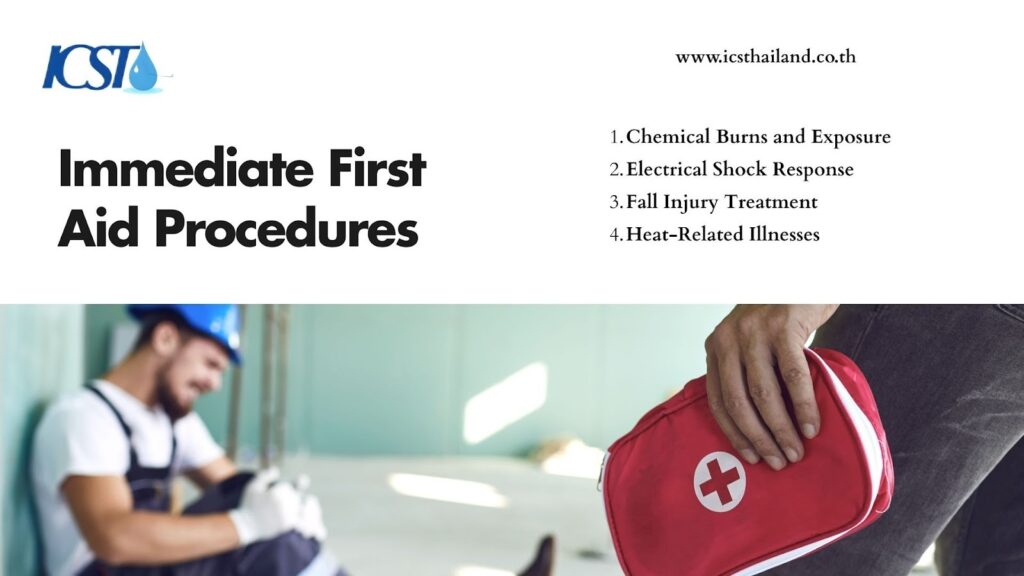
Immediate First Aid Procedures
Time is the critical factor in cooling system accidents. The first few minutes often determine whether an injury results in temporary harm or permanent disability. The following sections outline the specific cooling system first aid steps for the most common injuries.
Chemical Burns and Exposure
Industrial water treatment relies on potent chemicals to prevent scaling and biological growth. Direct contact with these substances causes rapid tissue damage. Immediate action is necessary to limit the severity of chemical burns.
How should you respond to direct chemical exposure? Follow these steps immediately:
- Flush the Area: Rinse the affected skin or eyes with tepid water for at least 20 minutes.
- Remove Clothing: Strip away contaminated garments carefully to prevent spreading the chemical.
- Avoid Neutralisation: Do not apply vinegar or other substances unless the Safety Data Sheet (SDS) specifically instructs it.
- Seek Medical Help: Call for professional assistance immediately for severe burns or large exposure areas.
Electrical Shock Response
Cooling towers use high-voltage fans and pumps, often in damp conditions. An electrical accident in this environment carries a high risk of fatality. A proper electrical shock response prioritises the safety of the rescuer to prevent multiple casualties.
What is the safe sequence of action for an electrical incident? Execute this protocol without deviation:
- Cut the Power: Do not touch the victim until you verify the circuit is de-energised.
- Use Non-Conductive Tools: If you must move the victim from a live wire, use a dry wooden stick or rescue hook.
- Assess Vital Signs: Check for breathing and a pulse once the victim is safe.
- Administer CPR: Begin cardiopulmonary resuscitation immediately if the victim is unresponsive and not breathing.
- Monitor: Stay with the victim and monitor their condition until emergency services arrive.
Fall Injury Treatment
Technician stabilization prevents further damage to the spine and internal organs. How do you manage a victim who has fallen from a height? Adhere to these stabilisation principles:
- Assess Condition: Check for consciousness and clear airways without moving the head or neck.
- Control Bleeding: Apply direct pressure to external wounds using sterile bandages.
- Immobilise: Assume a spinal injury exists; keep the victim still and do not move them unless immediate danger exists.
- Wait for Professionals: Let trained paramedics handle the transport and movement of the victim.
Heat-Related Illnesses (Heat Stroke, Heat Exhaustion)
Working near heat-rejecting equipment puts workers at risk of hyperthermia. High humidity from evaporation towers reduces the body’s ability to cool itself. Distinguishing between heat exhaustion and heat stroke is vital for administering the correct aid.
What are the signs and immediate treatments for heat stress? Look for these symptoms and take action:
- Identify Symptoms: Heavy sweating and pale skin indicate exhaustion; hot, dry skin and confusion indicate stroke.
- Cool Gradually: Move the person to a shaded area, loosen clothing, and apply cool packs to the neck and armpits.
- Hydrate: Offer water only if the person is conscious and able to swallow.
- Escalate: Call Emergency Medical Services (EMS) immediately if you suspect heat stroke or if symptoms worsen.
Scene Safety and Hazard Control
Providing medical aid is difficult if the environment remains hostile. A chemical spill does not stop spreading just because someone is injured. Securing the scene protects both the victim and the responder from additional harm.
How do you manage the physical environment during a crisis? Implement these control measures:
- Secure the Area: Use barriers or personnel to prevent others from entering the accident zone.
- Manage Spills: Contain chemical leaks using absorbent socks or dikes if it is safe to do so.
- Isolate Energy: Ensure electrical disconnects remain locked out to prevent accidental reactivation.
- Coordinate: Direct emergency responders to the exact location while warning them of specific hazards like slippery floors or toxic fumes.
Follow-Up After First Aid

The responsibility of the safety team extends beyond the immediate medical crisis. Detailed documentation ensures the facility learns from the event. Accurate reporting protects the company legally and provides data to improve future cooling system first aid responses.
What steps comprise an effective post-incident review? Focus on these administrative actions:
- Document: Record every detail of the incident, including the precise sequence of events, the specific first aid administered, and a clear timeline.
- Analyse: Conduct a thorough root cause analysis to pinpoint why the accident happened. Investigate potential factors such as equipment failure, procedural gaps, or human error to understand the underlying causes rather than just the immediate triggers.
- Learn: Evaluate the effectiveness of the first aid response and the overall emergency protocol. Use the insights gained from the analysis to refine and update safety procedures, preventing similar incidents in the future.
Training and Prevention
Equipment and protocols are useless without a trained workforce. Regular training sessions ensure that every employee knows how to react under pressure. Competence in chemical burns treatment or electrical shock response requires repetition and practice.
Why is proactive training the most effective safety tool? It embeds safety into the daily culture:
- Role-Specific Training: Teach technicians specifically about fall injury treatment and heat stroke recognition relative to their daily tasks.
- Drills: Run mock scenarios to test reaction times and equipment availability.
- PPE Usage: Enforce the correct use of personal protective equipment to prevent injuries before they happen.
- Heat Management: Implement work-rest cycles during high-heat days to prevent thermal stress.
Conclusion
Industrial cooling environments present a unique matrix of dangers that demand specialized attention. Rapid, informed cooling system first aid bridges the gap between a workplace accident and professional medical care. By understanding the risks of water, electricity, and chemicals, and by mastering protocols for fall injury treatment and heat stroke, you protect your most valuable asset: your people.
Do not wait for an accident to test your readiness. Review your site-specific emergency procedures today. Ensure your equipment is ready, and your team is trained. A commitment to continuous safety improvement creates a secure, productive environment for everyone involved in maintaining these critical systems.
Frequently Asked Questions
What is cooling system first aid?
Cooling system first aid refers to specialised medical protocols designed to treat injuries occurring in industrial cooling environments. This includes treating chemical burns from water treatment additives, managing electrical shocks from pumps, and stabilising fall victims near cooling towers.
How should chemical burns from cooling water be treated?
You must immediately flush the area with large amounts of water for at least 20 minutes. Remove any contaminated clothing while flushing. Do not apply ointments or neutralisation chemicals unless the SDS specifically directs you to do so. Seek medical attention immediately.
What is the correct first aid response for electrical shock in cooling systems?
Turn off the power, use non-conductive tools if necessary, check breathing and pulse, administer CPR if needed, and call emergency services.
What first aid equipment is essential for cooling system safety?
Eyewash stations, safety showers, burn dressings, specialized first aid kits, and communication devices should be readily accessible in all high-risk cooling areas.