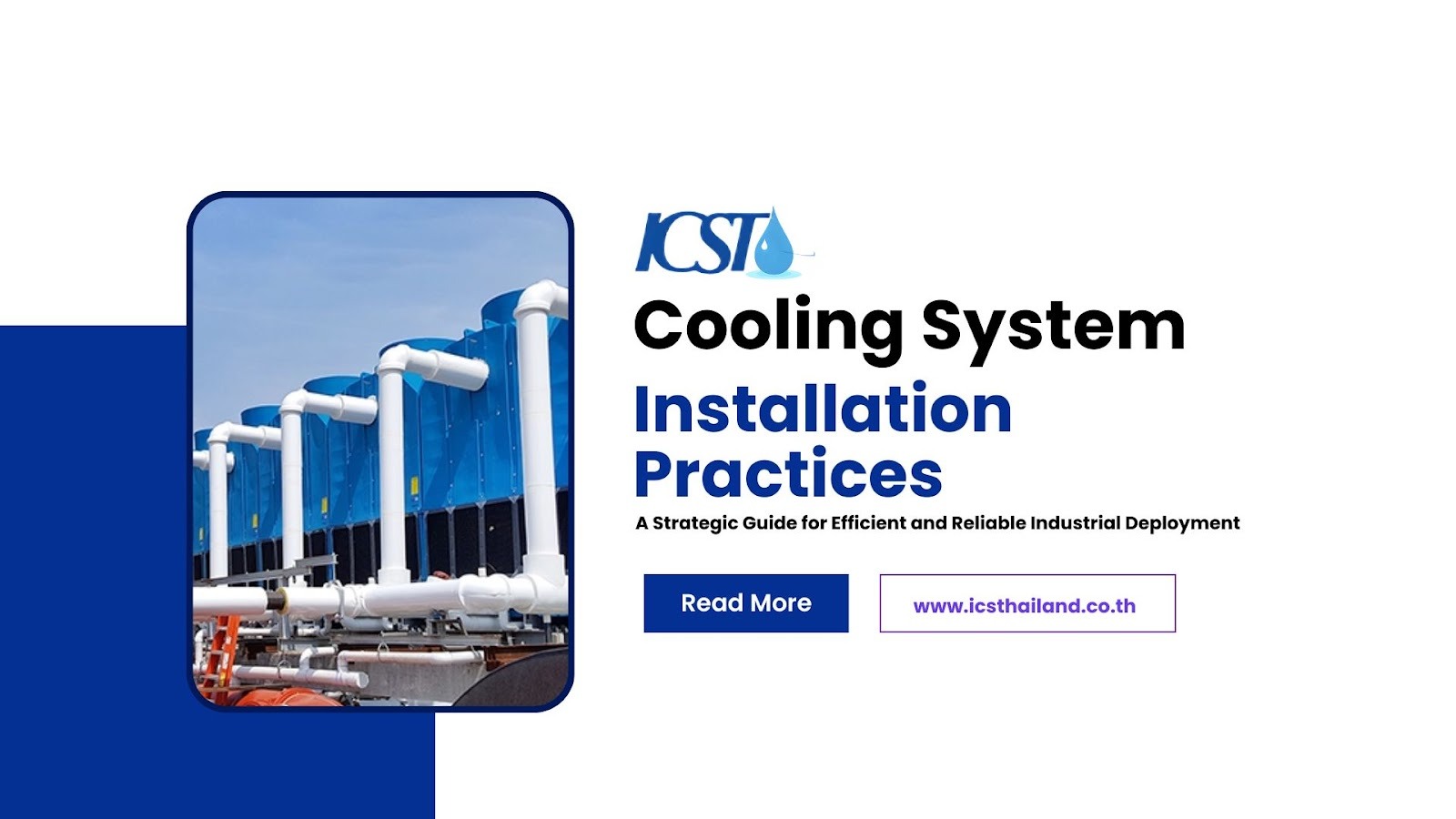
In our previous discussion regarding “Engineering Challenges in Industrial Cooling System Installation,” we analyzed major hurdles such as heat load miscalculations, space limitations, and corrosion risks.
These issues often derail project timelines and inflate budgets. However, identifying the problem is only half the battle. This guide shifts the focus toward the solution: proven cooling system installation practices that prevent those errors from occurring in the first place.
We will provide structured, practical, and engineering-backed methodologies for successful industrial cooling deployments. By prioritizing detailed installation planning and anticipating potential construction challenges early in the process, facilities can ensure their systems operate with maximum efficiency and reliability from day one.
Section 1: Strategic Pre-Installation Planning Practices
Successful deployment begins long before the physical equipment arrives at the facility. A strategic approach to planning mitigates risks and aligns the installation with operational goals.
Comprehensive Heat Load Verification
Engineers must move beyond basic estimates and rigorous validation of thermal requirements. Accurate heat load verification ensures the system can handle peak demands without failure.
- Advanced thermal modeling validation: Use computational fluid dynamics (CFD) to simulate how the system performs under various stress conditions.
- Cross-checking sensible vs latent heat assumptions: Verify the ratio of heat that causes temperature change versus heat that causes phase change to select the correct coil and compressor sizing.
- Scenario planning for seasonal variations: Model system performance across extreme winter lows and summer highs to prevent weather-related efficiency drops.
- Expansion capacity forecasting: Design the initial thermal load calculations to accommodate future production line additions without requiring a complete system overhaul.
Site Assessment & Structural Coordination
The physical environment plays a crucial role in ensuring the longevity, stability, and overall success of the installation.
A detailed assessment not only prevents costly modifications during execution but also minimizes potential risks and ensures optimal performance over time.
- Soil bearing capacity review: Analyze geotechnical reports to ensure the ground can support the static and dynamic weight of heavy cooling towers or chillers.
- Vibration impact studies: Assess how existing machinery affects the new installation and how the new cooling system might transmit vibration to sensitive onsite equipment.
- Structural reinforcement planning: Identify areas where existing structural engineering specifications do not meet the load requirements of new equipment.
- Equipment access route analysis: Map the exact path for heavy machinery to avoid bottlenecks during delivery.
Layout Optimization & Space Engineering
Space is often a premium resource in industrial facilities, making efficient use of every square foot essential. A well-optimized layout not only ensures maintenance accessibility but also improves workflow, reduces downtime, and enhances overall safety.
By carefully considering site constraints, companies can create a design that maximizes productivity while minimizing unnecessary movement and resource waste.
- 3D BIM coordination: Utilize Building Information Modeling to visualize the installation in three dimensions, preventing clashes with existing piping or electrical trays.
- Maintenance clearance mapping: Design the layout with designated zones for coil pulling, compressor removal, and filter changes.
- Airflow path validation: Ensure that exhaust air from cooling towers does not recirculate into air intakes, which would severely degrade efficiency.
- Equipment placement optimization: Position units to minimize piping runs and reduce pump head pressure requirements.
Section 2: Engineering-Driven Foundation & Structural Practices
The structural integrity of a cooling system is non-negotiable, and proper foundation work is a cornerstone of effective cooling system installation practices. This initial step ensures the equipment operates within its design tolerances for decades.
Solid Foundations: Protect Your Cooling System with Unmatched Defense
A robust foundation absorbs operational stresses and maintains equipment alignment. Foundation design must account for both the static weight and the dynamic forces generated during operation.
- Load distribution calculations: Ensure the concrete pad or steel dunnage spreads the equipment weight evenly to prevent differential settling.
- Dynamic load considerations: Account for the operational mass, including water weight and forces generated by rotating fans or compressors.
- Thermal expansion allowances: Design foundations that accommodate the natural expansion and contraction of materials due to temperature shifts.
- Anchor bolt precision alignment: Use templates during the concrete pour to guarantee that mounting points align perfectly with the equipment base.
Vibration Isolation & Structural Stability
Unchecked vibration can destroy bearings, crack piping, and compromise structural safety. Implementing isolation strategies is a critical aspect of sound structural engineering.
- Anti-vibration mounts: Select spring or rubber isolators tuned to the specific frequency of the equipment to dampen energy transfer.
- Seismic bracing where applicable: Install restraints that meet local code requirements to prevent equipment tipping during seismic events.
- Structural fatigue prevention: Reinforce support steel to withstand the cyclic loading that occurs during system start-ups and shut-downs.
Corrosion Protection & Material Selection
Industrial environments are often harsh, creating a high risk for rapid material degradation. Strategic material selection extends the lifespan of the installation.
- Coating systems: Apply high-grade epoxy or polyurethane coatings to carbon steel components to create a barrier against moisture and chemicals.
- Stainless vs composite materials: Choose stainless steel or fiberglass-reinforced plastic (FRP) for cooling towers in environments with aggressive water chemistry.
- Water chemistry compatibility planning: Analyze the makeup water source to select materials that resist scaling and biological attack.
Section 3: Installation Logistics & Heavy Equipment Handling Practices
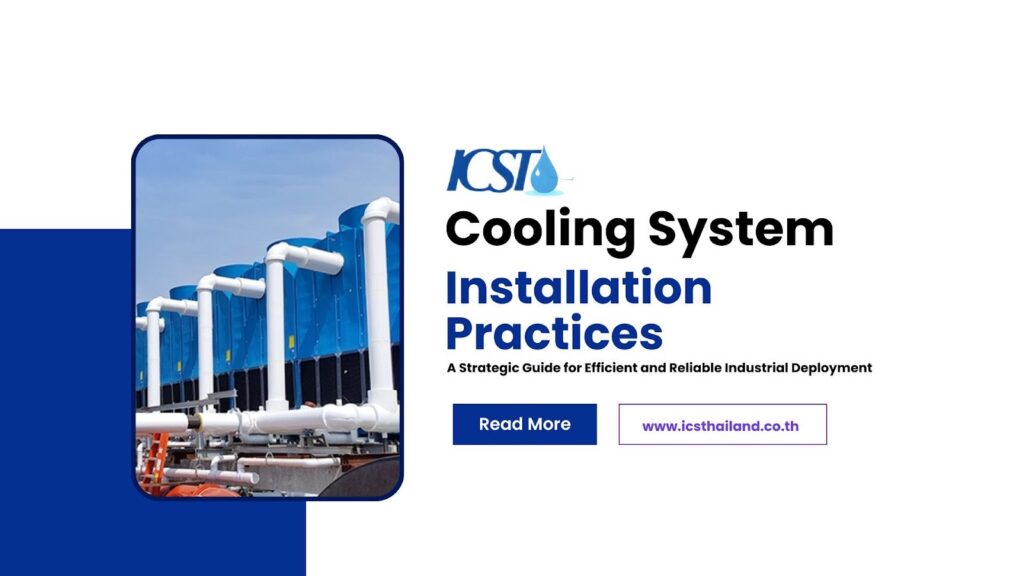
Moving massive cooling units requires precision, planning, and safety measures. Poor logistics can result in costly accidents, delays, or damage to expensive components. Utilizing specialized equipment, skilled operators, and thorough risk assessments ensures smooth transportation and protects both your investment and team.
Advanced Logistics Planning
Detailed planning reduces the window of disruption during the installation phase. This ensures that heavy lifts occur safely and efficiently.
- Equipment transport risk mitigation: Survey the route from the factory to the pad, checking for low bridges, weight-restricted roads, and tight turns.
- Crane positioning strategy: Determine the optimal lift radius and crane capacity to place equipment without repositioning the crane multiple times.
- Modular delivery sequencing: Coordinate deliveries so that components arrive exactly when the installation crew is ready for them.
Prefabrication & Modular Installation Techniques
Modern cooling system installation practices favor off-site fabrication. This approach improves quality control and speeds up on-site assembly.
- Skid-mounted systems: Assemble pumps, heat exchangers, and controls on a steel frame in a factory setting for “plug-and-play” installation.
- Pre-assembled piping racks: Fabricate long runs of pipe on racks that can be lifted into place as a single unit.
- Reduced on-site welding: Minimize the need for hot work permits and fire watches by completing critical welds in a controlled shop environment.
Construction Phase Coordination
Effective project management is key to successful Cooling System Installation Practices, ensuring seamless coordination among multiple trades and keeping every aspect of the project on track. This collaboration is essential for addressing complex construction challenges like tight deadlines, resource allocation, and unexpected issues on-site.
- Multi-discipline scheduling: Create a master schedule that prevents electricians, pipefitters, and riggers from occupying the same workspace simultaneously.
- Project scheduling optimization: Identify critical path activities that must occur on time to prevent overall project slippage.
- Installation workflow mapping: Visualize the daily tasks to ensure crews have the materials and tools they need before they start.
Section 4: Precision Piping, Ducting & Flow Management Practices
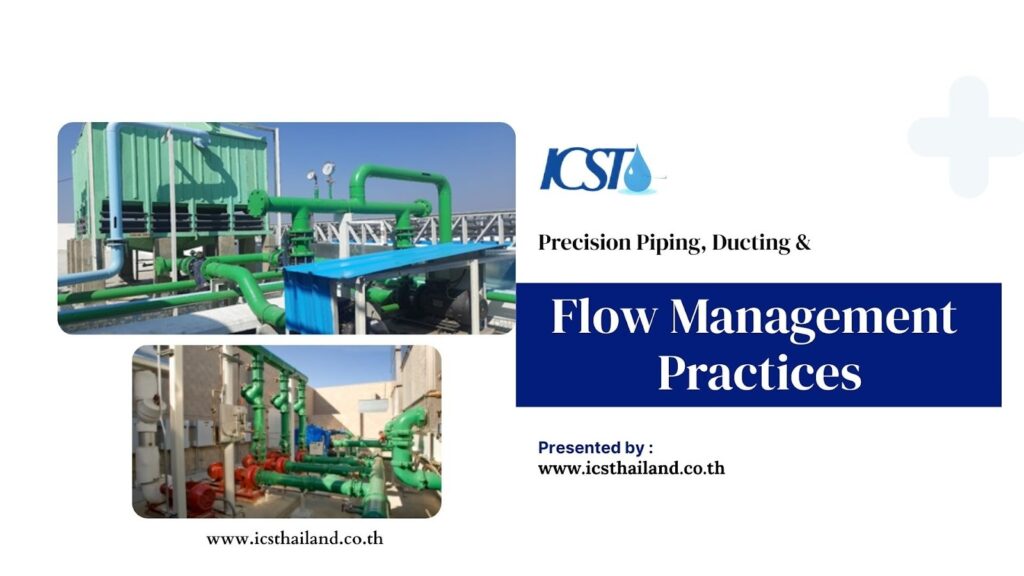
The piping network is the circulatory system of the cooling infrastructure. Flawed hydraulic design leads to energy waste and poor thermal transfer. Proper design and installation are crucial for achieving optimal performance and energy efficiency.
Hydraulic Design Validation
Verifying hydraulic parameters ensures that the fluid dynamics match the engineering specifications.
- Pressure drop calculation: Re-calculate the resistance of the final piping layout to ensure the pumps can deliver the required flow rate.
- Pump head verification: Confirm that the selected pumps can overcome both the static height and friction losses of the system.
- Flow balancing strategies: Install circuit setters and balancing valves to guarantee that every heat exchanger receives the correct amount of fluid.
Thermal Expansion & Stress Analysis
Piping systems expand and contract significantly as fluid temperatures change, a natural response to thermal fluctuations. Ignoring this physical reality can lead to leaks, pipe failures, and costly maintenance or downtime.
Proper design considerations, such as expansion joints or flexible supports, are critical to ensure the system operates safely and efficiently under varying temperature conditions.
- Expansion loops: Design U-shaped bends in long pipe runs to absorb thermal growth without stressing connections.
- Pipe support engineering: Select hangers and slides that allow the pipe to move axially while supporting its weight.
- Vibration stress mitigation: Secure piping near pumps and compressors to prevent vibration-induced fatigue cracks.
Insulation & Energy Efficiency Practices
Proper insulation not only protects the system from energy loss but also enhances overall efficiency, reducing operational costs over time. It prevents damage to the surrounding infrastructure by minimizing heat transfer and condensation, which can lead to corrosion or structural issues.
- Thermal insulation selection: Choose materials with the correct R-value to maintain fluid temperature and prevent energy waste.
- Condensation control: Install vapor barriers on chilled water lines to prevent sweating, which can corrode pipes and create slip hazards.
- Energy loss minimization: Insulate valves and flanges, which are often overlooked sources of thermal inefficiency.
Section 5: Electrical, Controls & Integration Practices
Effective Cooling System Installation Practices recognize that a system is only as good as its control logic. Modern installations rely on intelligent integration for maximum efficiency.
Smart Control System Integration
Integrating the cooling infrastructure with the facility’s Building Management System (BMS) or central control unit maximizes performance and operational intelligence. This allows for real-time adjustments based on facility-wide data, not just isolated temperature readings. .
- PLC/DCS compatibility: Ensure the cooling system’s local controller speaks the same language as the Distributed Control System.
- SCADA integration planning: Map data points to the Supervisory Control and Data Acquisition system for centralized visibility.
- Communication protocol alignment: Verify that all devices utilize compatible protocols, such as Modbus or BACnet, for seamless data exchange.
Power Distribution & Redundancy Planning
Make sure to have reliable power for continuous cooling operations by engineering a robust electrical infrastructure to prevent downtime.
- Load management: Balance the electrical load across phases to prevent breaker trips and overheating.
- Backup systems: Integrate automatic transfer switches to connect the cooling system to backup generators during grid failures.
- Emergency shutdown logic: Program hard-wired interlocks that safely shut down equipment in the event of a catastrophic failure.
IoT & Predictive Monitoring Integration
The industrial internet of things (IIoT) is revolutionizing maintenance by shifting from reactive fixes to proactive strategies. By leveraging real-time data from connected devices, IIoT enables predictive maintenance, identifying potential issues before they cause downtime.
- Sensor deployment strategies: Place vibration and temperature sensors on critical bearings and motors.
- Real-time diagnostics: Configure dashboards that display live efficiency metrics and alert operators to anomalies.
- Predictive maintenance planning: Use algorithms to analyze trends and predict component failure before it stops production.
Section 6: Safety, Compliance & Risk Mitigation Practices
When it comes to Cooling System Installation Practices, safety is the foundation of any successful industrial project. Adhering to regulations not only protects personnel but also safeguards the company’s reputation and financial stability.
Regulatory & Code Compliance
Meeting legal standards avoids fines and ensures the installation is insurable.
- OSHA guidelines: Strictly follow regulations regarding fall protection, electrical safety, and machine guarding.
- ISO standards: Align installation procedures with international quality and environmental management standards.
- Environmental compliance planning: Implement containment strategies for refrigerants and chemicals to prevent environmental contamination.
Installation Risk Management Framework
IA proactive approach to risk management is crucial for a safe and successful installation. Identifying potential hazards before any work commences enables the project team to develop and implement effective control measures.
This framework not only protects workers but also minimizes the risk of project delays and equipment damage.
- Hazard identification: Conduct Job Safety Analyses (JSA) for every major task to identify potential dangers.
- Confined space protocols: Enforce strict entry permit procedures for work inside tanks or cooling tower basins.
- Lifting & rigging safety procedures: Inspect all rigging gear daily and establish clear communication zones during lifts.
Quality Assurance & Documentation
Documentation not only proves that the system meets the design intent but also serves as a vital reference for future updates, troubleshooting, and compliance purposes. Comprehensive documentation is critical for both immediate and long-term success.
- Installation checklists: Require technicians to sign off on specific steps, such as torque verification and pressure testing.
- FAT & SAT best practices: Conduct Factory Acceptance Tests and Site Acceptance Tests to validate equipment performance.
- Commissioning documentation: Compile a comprehensive turnover package containing manuals, drawings, and test reports.
Conclusion
While engineering hurdles are inevitable, adopting structured and strategic cooling system installation practices dramatically reduces risk. By prioritizing careful foundation design and navigating complex site constraints with precision, facility managers can ensure their systems stand the test of time.
Proper planning, precision engineering, safety compliance, modular construction, and advanced commissioning collectively determine long-term system reliability. ICST delivers industrial cooling solutions built on methodical engineering practices, ensuring that your facility avoids common pitfalls.
We encourage you to adopt these proactive installation methodologies to guarantee operational efficiency and sustainability for years to come.
Frequently Asked Questions
What is the biggest risk during installation?
Incorrect system sizing can cause inefficiency or overheating. Proper heat load validation prevents costly errors.
How does poor installation affect efficiency?
Misaligned piping, bad insulation, or hydraulic issues increase energy consumption and reduce system performance.
What are the most common mistakes during cooling system installation?
Common installation mistakes include inadequate site assessment, improper vibration isolation, misaligned anchor bolts, poor hydraulic balancing, and insufficient insulation.
What safety standards apply to cooling system installation?
Industrial cooling installations must comply with occupational safety regulations, electrical codes, and environmental standards. This includes proper lifting procedures, confined space protocols, refrigerant handling compliance, and documented quality assurance processes.