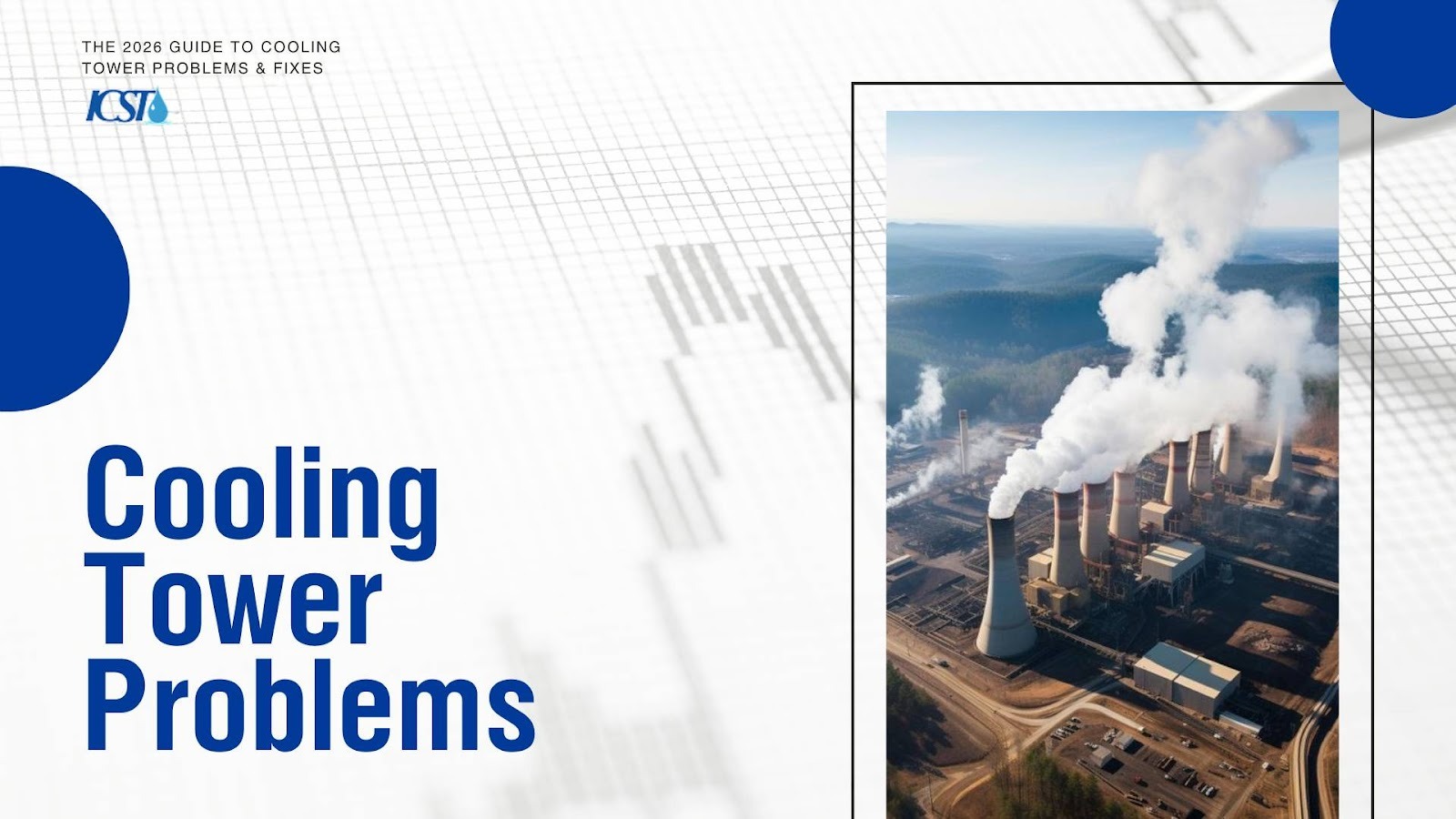
Cooling towers are the dynamic lungs of an industrial facility. Their failure is not just a maintenance issue; it is a direct bottleneck to production and a drain on your budget. In 2026, even a minor inefficiency can have major consequences.
For instance, a seemingly small 2°C rise in your cooling tower’s approach temperature can increase chiller energy consumption by up to 6%. This guide moves beyond reactive fixes, offering a framework for proactive performance engineering. We will explore the root causes of common cooling tower problems and detail the engineering solutions to solve them.
Categorizing Cooling Tower Problems: A Diagnostic Matrix
Effective tower troubleshooting begins with accurate diagnosis. Most operational problems fall into one of four distinct categories. By identifying the primary symptoms, you can quickly narrow down the cause and implement the correct repair solution.
| Problem Category | Key Symptoms | Core Troubleshooting Step | Typical Solution |
| Water Chemistry | Scale, corrosion, pitting | Analyze cycles of concentration (COC) | Automated blowdown & chemical inhibitors |
| Biological | Biofilm, slime, odors | Microbial/Legionella testing | Alternating oxidizing and non-oxidizing biocides |
| Mechanical | Vibration, noise, heat rise | Vibration analysis, belt check | Fan balancing, VFD install, and lubrication |
| Structural | Leaks, basin cracks, excessive drift | Visual inspection for staining | FRP retrofitting, drift eliminators |
| Thermal | High approach temperature | Compare design vs. actual wet bulb | Fill cleaning or nozzle replacement |
- Water Chemistry: Look for signs of scale, corrosion, or pitting on surfaces. The core troubleshooting step is to analyze the cycles of concentration (COC). Solutions often involve installing an automated blowdown system and using chemical inhibitors.
- Biological: Symptoms include visible biofilm, slime, and unpleasant odors. Microbial and Legionella testing is crucial. Treatment requires a robust biocide program using both oxidizing and non-oxidizing agents.
- Mechanical: Vibration, unusual noises from the fan deck, and a noticeable heat rise from the motor are key indicators. Conduct a vibration analysis and check belt tension. Fan balancing, installing a variable frequency drive (VFD), and proper lubrication are typical fixes.
- Structural: Leaks, cracks in the basin, and excessive drift (visible as white staining on nearby surfaces) point to structural issues. The initial step involves conducting a comprehensive visual assessment. Solutions range from fiberglass reinforced polyester (FRP) retrofitting to installing new drift eliminators.
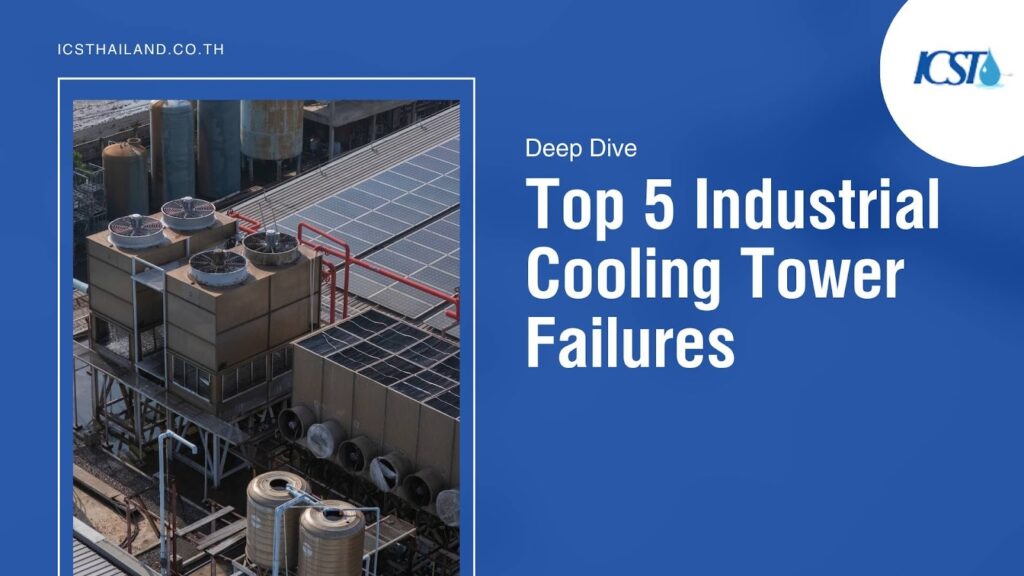
Deep Dive: Top 5 Industrial Cooling Tower Failures
Understanding the most common failures helps you anticipate and prevent them. These five issues account for a significant portion of performance issues and operational problems in industrial settings.
1. Scaling & Mineral Deposition
This is a critical performance issue. Scale forms when concentrations of minerals like calcium and silica exceed their solubility limits in the water, causing them to deposit onto heat transfer surfaces.
This mineral layer acts as an insulator. Even a thin layer of scale (1/16″) can reduce heat transfer efficiency by as much as 12%, forcing your entire cooling tower system to work harder and consume more energy.
The Fix: Implement an ion-exchange softening system to remove hard minerals before they enter the tower. Alternatively, an acid-treatment program using hydrochloric or sulfuric acid can lower the water’s pH, keeping minerals soluble and preventing deposition on heat exchanger surfaces.
2. Biological Growth & Biofilm
Biofilm is more than just slime; it is a complex colony that creates a protective barrier for harmful bacteria, shielding them from standard chlorine treatments.
This presents a significant operational problem and a health risk, especially concerning Legionella. Adherence to ASHRAE 188 standards for Legionella risk management is a key focus for facility managers.
The Fix: A multi-pronged approach is most effective. Targeted side-stream filtration helps remove suspended solids, which act as a food source for bacteria. Couple this with an alternating biocide program to attack and penetrate the protective biofilm, ensuring your water treatment is effective.
3. Corrosion of Metal Components
While general corrosion is a known issue, a more subtle threat is “under-deposit corrosion.” This occurs when bacteria thrive underneath a layer of slime or scale, eating away at the metal components of your tower.
For facilities in coastal areas or chemical plants, constant exposure to saltwater or acidic environments accelerates this process dramatically, leading to costly repairs and equipment failure.
The Fix: For long-term protection, transition away from vulnerable metal components. Applying high-grade epoxy coatings to basins and supports provides a durable barrier. For a more permanent solution, retrofitting or replacing tower components with corrosion-resistant materials like FRP (Fiberglass Reinforced Polyester) eliminates the risk of corrosion.
4. Excessive Drift & Water Loss
Drift is the aerosolized water droplets that escape the cooling tower. This is not simple evaporation. This “windage” carries expensive treated water and chemicals out of your system. This leads to chemical waste, potential environmental non-compliance, and increased operational costs.
The Fix: This is one of the most straightforward repair solutions. Upgrade your system with high-efficiency, nested drift eliminators. Modern designs can reduce drift loss to less than 0.001% of the circulating water volume, providing a rapid return on investment through water and chemical savings.
5. Mechanical Fatigue: Fans, Motors & Gearboxes
Mechanical failures are often the most noticeable cooling tower problems. Symptoms like grinding noises, belt slippage, or an overheating motor signal imminent failure of essential components. These issues are frequently caused by the immense stress placed on mechanical components during hard start-ups.
The Fix: Install Variable Frequency Drives (VFDs) on fan motors. VFDs provide a “soft start,” reducing mechanical stress on gearboxes, belts, and motor bearings. They also allow you to optimize airflow based on the current heat load, leading to reduced energy consumption and quieter tower operations.
Advanced Tower Troubleshooting: Identifying “Invisible” Issues
Some of the most significant performance issues are not caused by a failing component but by a flaw in the system’s design or operation. These invisible problems can quietly reduce cooling efficiency and drive up costs.
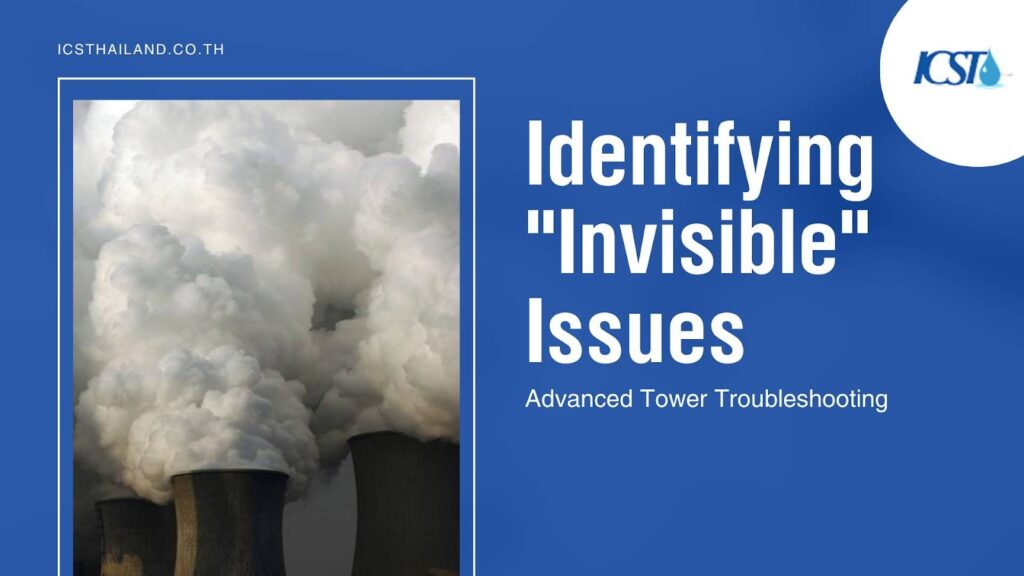
- Recirculation: This happens when the tower’s hot and saturated exhaust air is drawn back into the air inlets. This dramatically reduces performance because the air cannot absorb more heat. This is often due to poor tower placement or prevailing winds affecting airflow.
- Poor Water Distribution: Clogged or broken nozzles prevent water from being distributed evenly across the fill media. This creates “dry spots” where no evaporation can occur, severely crippling the tower’s heat rejection capacity and leading to inefficient cooling.
- Cycle of Concentration (COC) Mismatch: The COC is the ratio of dissolved solids in the tower water to the makeup water. Many facilities operate at a low COC (e.g., 2 cycles) when their water quality could safely allow for 6 cycles. This mismatch results in wasting millions of gallons of makeup water and chemicals annually.
The 2026 Preventive Maintenance Strategy
Move away from a reactive maintenance schedule and toward a proactive, data-driven strategy for keeping your cooling tower running efficiently. Proper maintenance is the key to avoiding system failures.
- Real-time IoT Monitoring: Use conductivity and temperature sensors to gather live data. This allows for the automation of blowdown based on actual conditions, not a timer, optimizing water and chemical use.
- Annual Site Audits: Go beyond a simple checklist. Conduct annual thermal performance mapping to compare the tower’s current operation against its original design specifications. This identifies hidden inefficiencies before they become major problems.
- Comprehensive Winterization: For towers in cold climates, a proactive winterization plan is essential. This includes inspecting and testing basin heaters, checking for potential icing spots, and ensuring bypass systems are functioning correctly to prevent catastrophic failures.
Conclusion: When to Repair vs. Replace
Deciding between a major repair and a full replacement is a critical financial decision. A useful guideline is the 40% Rule: if the estimated cost of repairs exceeds 40% of the price of a new, comparable unit, replacement is often the more financially feasible choice.
Furthermore, if a structural inspection reveals compromised integrity due to heavy corrosion or delamination of fiberglass panels, replacement is the only safe option. Investing in a modern, sustainable design will not only solve your immediate cooling tower problems but also deliver long-term operational efficiency and energy savings.
If you want expert advice or tailored solutions for your cooling tower system, contact our ICST team today. We specialize in maintenance, upgrades, and comprehensive assessments to ensure your operations keep running smoothly and efficiently. Reach out now to schedule a consultation or learn more about our services.
Frequently Asked Questions
What are common cooling tower problems?
Common cooling tower problems include scaling, biological growth, corrosion, excessive drift, and mechanical fatigue. These issues can reduce cooling efficiency, increase energy consumption, and lead to costly repairs.
How can scaling in cooling towers be prevented?
Scaling can be prevented by using water treatment systems like ion-exchange softeners or acid treatments to manage dissolved solids and maintain proper water chemistry.
Why is biological growth a concern in cooling towers?
Biological growth, such as biofilm, reduces heat transfer efficiency and poses health risks like Legionella. Proper water treatment with biocides and filtration is essential to control microbial growth.
What causes excessive drift in cooling towers?
Excessive drift occurs when water droplets escape the tower, leading to water and chemical loss. Installing high-efficiency drift eliminators minimizes this issue.
How can cooling tower efficiency be improved?
Cooling tower efficiency can be improved through regular maintenance, proper water treatment, real-time monitoring, and upgrading components like VFDs and drift eliminators.