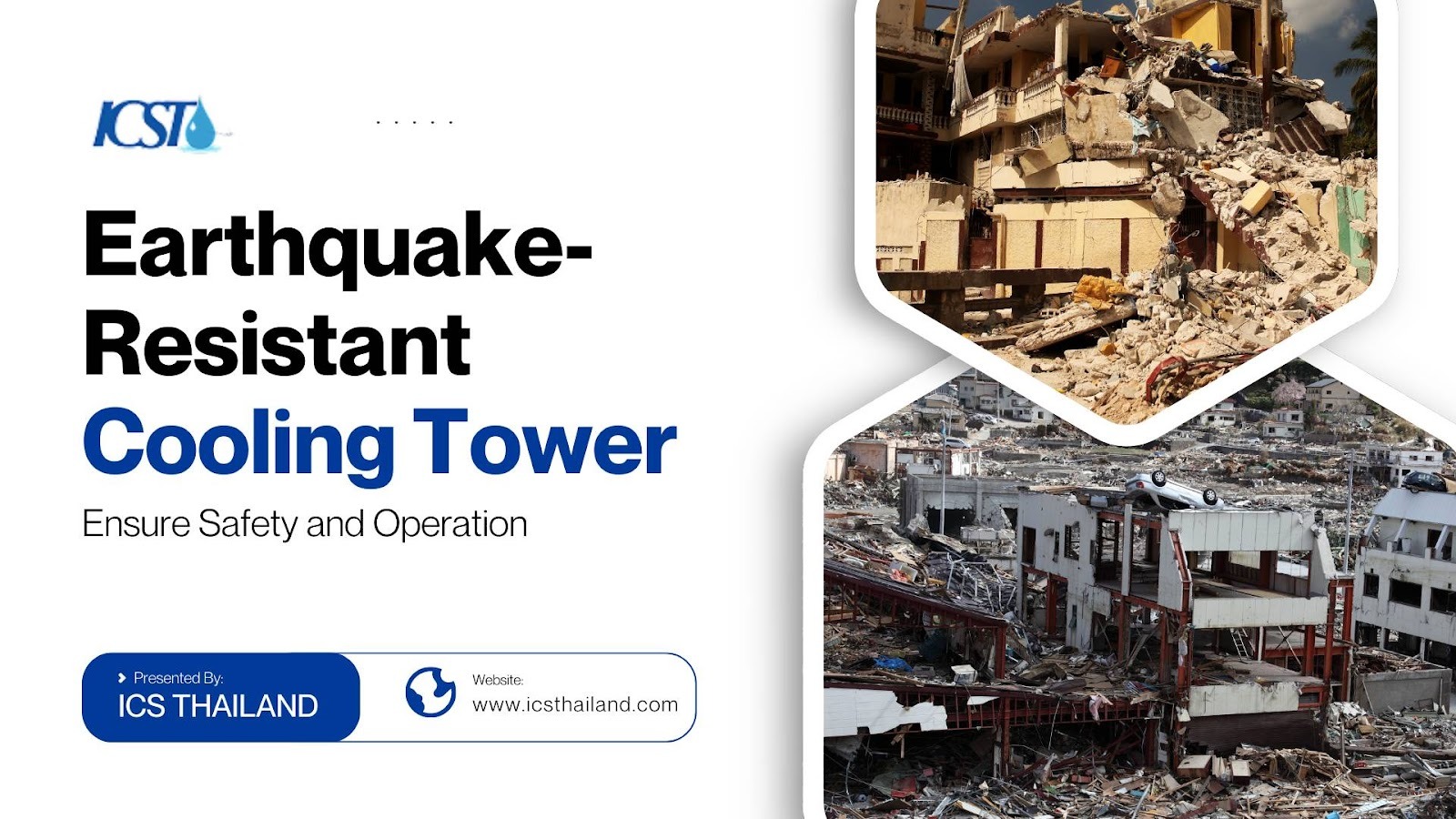
Industrial facilities are vital for global production, but they face serious risks from earthquakes. When seismic activity strikes, the cooling tower often becomes the weakest link. This important structure keeps operations at safe temperatures and ensures production does not stop.
However, standard cooling towers often fail during earthquakes, leading to long downtime, high costs, and major system problems. Earthquake-resistant cooling towers, with advanced seismic engineering, offer a strong solution.
These specialized towers are designed to handle strong shaking, keep operations safe, cut downtime, and protect valuable assets. In this guide, you will discover clear strategies to design and use earthquake-resistant cooling towers for top reliability and performance.
The Unseen Threat: How Seismic Engineering Provides the Solution
Standard cooling towers fail during earthquakes because they are not designed for sideways shaking. They handle vertical loads and wind but cannot manage seismic forces, causing stress and failure in key parts. Seismic engineering ensures cooling towers can withstand earthquakes and protect vital equipment.
- Common Failure Modes: Non-seismic designs often suffer from structural collapse, basin fractures leading to water loss, and catastrophic failure of mechanical components like fans and gearboxes. The internal sloshing of thousands of gallons of water can amplify these forces, acting like a battering ram from within.
Earthquake-resistant cooling towers are built to handle seismic shaking. They use flexible designs, strong foundations, and extra bracing to protect key parts and keep systems running. Thicker columns and added supports make them safer and more durable than standard towers.
Beyond the Blueprint: The Top 5 Secret Requirements for Unshakeable Tower Lifespan
Earthquake-resistant cooling towers rely on advanced engineering and smart materials for real protection. These features make them durable, strong, and ready to handle major earthquakes.
The ‘Floating’ Anchor (Base Isolation Systems):
The most effective way to protect a structure is to decouple it from the ground’s movement. Base isolation systems use specialized pads or springs installed between the tower’s foundation and its superstructure.
During an earthquake, these isolators absorb the seismic energy, allowing the ground to move violently beneath while the tower above remains relatively still, as if it were floating.
Liquid Slosh Dampeners (Internal Water Dynamics Management):
The massive volume of water inside a cooling tower becomes a destructive force during an earthquake. To counter this, engineers install internal baffles or dampening systems.
These structures disrupt the harmonic motion of the sloshing water, preventing it from amplifying the seismic waves and transferring destructive energy to the tower’s walls and supports.
The Fiber Optic Sentinel (Real-time Micro-Fracture Monitoring):
Even the strongest materials can develop microscopic fractures under stress. By embedding a network of fiber optic sensors into the tower’s composite structure, operators can monitor its health in real time.
These sentinels detect minute strains and micro-fractures long before they become critical failures, enabling predictive maintenance and preventing catastrophic collapse.
Pre-stressed Pultruded Composites (Advanced Material Selection):
Steel is strong, but it is also heavy and susceptible to corrosion. Advanced pultruded composites, such as fiber-reinforced polymers (FRP), offer superior strength-to-weight ratios.
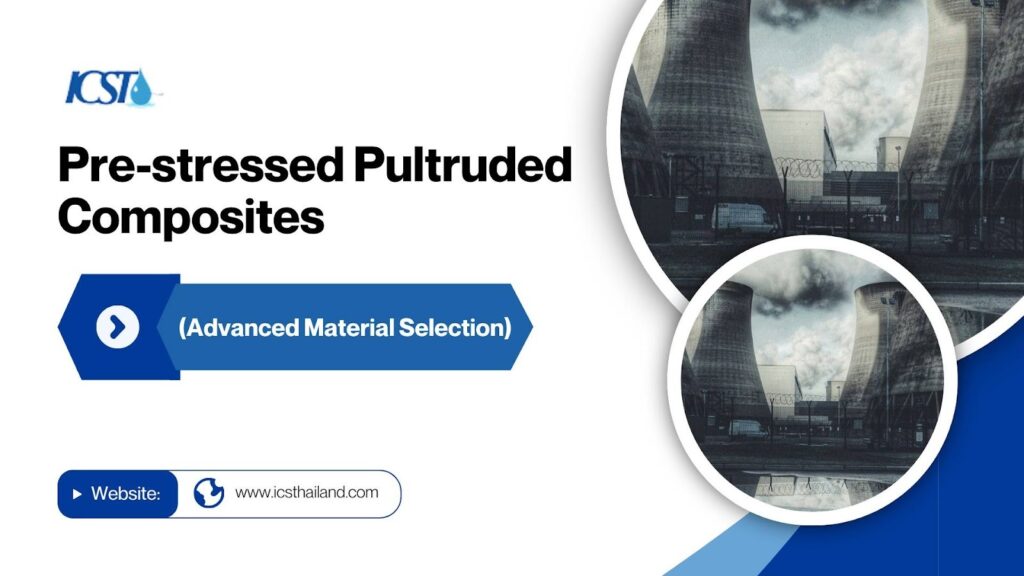
These materials are pre-stressed during manufacturing, giving them immense durability and resistance to the cyclical stresses of an earthquake. They are also corrosion-proof, extending the tower’s lifespan.
Zero-Deflection Fan Stacks (Vibration Isolation for Key Components):
The cooling tower’s most critical mechanical system is its massive fan assembly. The fan stack, which houses the fan, must be protected from the tower’s structural flexing.
Engineers use vibration isolation mounts and design zero-deflection fan stacks that maintain their shape and alignment, protecting the fan, gearbox, and driveshaft from damage during a seismic event.
Structural Strategies for Longevity: Optimizing Component Lifespan and Material Selection
Building an earthquake-resistant cooling tower requires smart planning and durable materials. Using quality components ensures long-lasting performance, reduces repairs, and saves money by minimizing maintenance and downtime.
Here is a comparison of key requirements for standard versus seismic tower designs:
| Requirement | Standard Cooling Tower | Earthquake-Resistant Cooling Tower |
| Foundation Design | Standard slab; resists gravity loads. | Isolated or deep-piled; absorbs lateral motion. |
| Structural Material | Galvanized steel or wood. | Pultruded FRP composites or reinforced concrete. |
| Internal Bracing | Designed for wind loads. | Designed for multi-directional seismic forces. |
| Water Management | Basic basin design. | Includes anti-slosh dampening systems. |
| Component Mounting | Rigidly mounted. | Mounted with vibration isolators. |
The Critical Role of Advanced Material Selection
Choosing the right material is crucial for building a durable, earthquake-resistant cooling tower. Traditional materials like steel and wood have limitations, but fiber-reinforced polymer (FRP) composites offer superior performance. Here’s why FRP is a better choice:
- Strength and Durability: FRP is strong, lightweight, and resists rust and rot.
- Chemical and Weather Resistance: It withstands harsh environments and chemical exposure.
- Low Maintenance: FRP reduces repair needs and boosts reliability.
- Long Lifespan: It ensures the cooling tower lasts longer, even in tough conditions.
Using FRP is a smart investment for facilities in earthquake-prone areas.
Protecting Vulnerable Systems
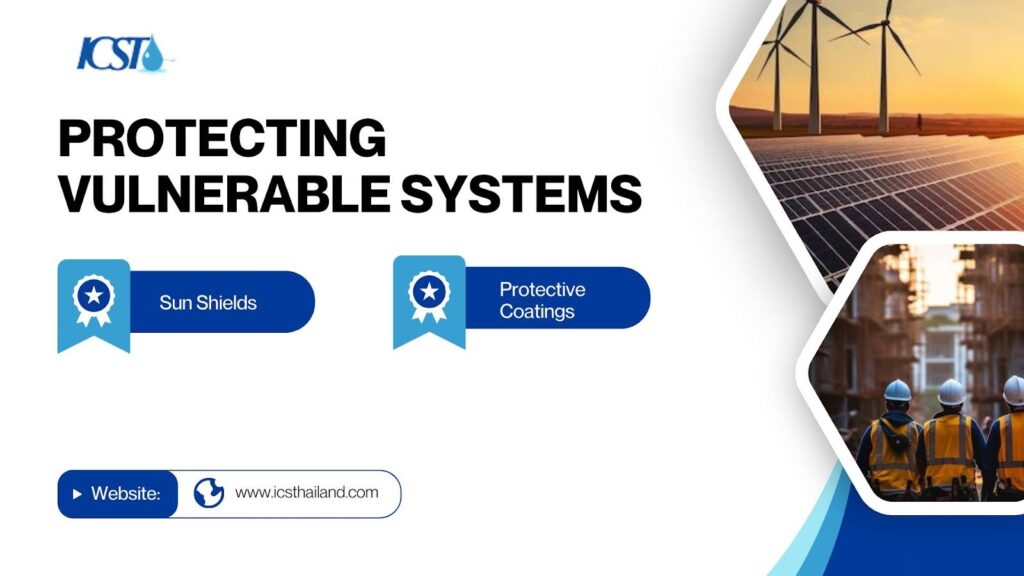
External factors like sunlight and weather can weaken cooling towers. Here’s how to protect them:
- Sun Shields: UV-blocking shields protect motors and driveshafts from sunlight damage.
- Protective Coatings: Special coatings prevent rust and chemical damage, extending the tower’s lifespan.
Together, these measures ensure your cooling tower stays durable and reliable.
Industrial Cooling Applications: Act Now
Industrial Cooling Applications are vital for industries like power plants and factories to prevent overheating and shutdowns.
In earthquake-prone areas, investing in earthquake-resistant cooling towers avoids costly repairs, production losses, and penalties. Optimizing cooling systems ensures steady performance and long-term success.
ROI and Resilience: 7 Key Benefits of Implementing Seismic Tower Design
Investing in earthquake-resistant cooling towers costs more initially but offers greater long-term benefits. They prevent earthquake damage, reduce downtime, save on repairs, and ensure safe, reliable operations, making them a smart, cost-effective choice for industrial facilities.
- Uninterruptible Operations: The primary benefit is ensuring your facility remains online after a seismic event, avoiding costly downtime.
- Protection of Capital Assets: Safeguards not only the tower itself but also the critical and expensive equipment it supports.
- Enhanced Personnel Safety: A structurally sound tower eliminates the risk of collapse, protecting employees on site.
- Reduced Repair and Replacement Costs: Prevents the catastrophic damage that would require a complete and costly rebuild.
- Lower Insurance Premiums: Many insurers recognize the reduced risk and offer lower premiums for seismically resilient facilities.
- Regulatory Compliance: Meets and exceeds stringent building codes and safety regulations in seismically active zones.
- Community and Utility Resilience: For essential services like hospitals, data centers, and public utilities, seismic resilience ensures they can continue to serve the community when it is needed most.
Investing in earthquake-resistant cooling towers saves money, protects assets, and reduces repair costs. It prevents downtime, boosts safety, and ensures smooth operations, making it a smart choice for long-term growth and profitability.
Conclusion: Building the Future of Industrial Durability
As modern industries grow and use new technologies, strong and reliable infrastructure becomes more important than ever. Choosing earthquake-resistant cooling towers strengthens your facility and boosts seismic safety.
These towers turn a weak spot into a source of lasting strength, keeping essential operations safe during earthquakes. By using smart engineering, the best materials, and proven design methods, your site will be ready for today’s needs and tomorrow’s challenges.
Making seismic cooling towers a priority is the smart way to build a safe, reliable, and future-ready industrial facility with ICST.
Frequently Asked Questions
What makes a cooling tower earthquake-resistant?
Earthquake-resistant cooling towers are designed with advanced materials, reinforced structures, and seismic engineering to withstand ground movements and minimize damage during earthquakes.
Why should I invest in an earthquake-resistant cooling tower?
These towers reduce the risk of costly downtime, major repairs, and equipment damage caused by earthquakes, ensuring long-term reliability and safety for your facility.
What materials are used in earthquake-resistant cooling towers?
Fiber-reinforced polymer (FRP) composites are commonly used due to their strength, lightweight nature, and resistance to rust, rot, and harsh environments.
Are earthquake-resistant cooling towers more expensive?
While they have a higher upfront cost, the long-term savings from reduced maintenance, fewer repairs, and uninterrupted operations make them a cost-effective investment.
Can existing cooling towers be upgraded for earthquake resistance?
Yes, retrofitting options like structural reinforcements, advanced materials, and protective coatings can enhance the seismic resilience of existing cooling towers.