
FRP cooling tower parts in Thailand
FRP cooling tower parts are structural members made of fiberglass reinforced plastic, a composite material of glass fiber in a resin. In a cooling tower they form the frame, support structures, decks and walkways. Because FRP does not rust or rot, it is used in FRP cooling tower construction where wet, chemical and humid conditions attack steel and wood. International Cooling Solutions (Thailand), known as ICST, supplies FRP members for cooling towers in Thailand, including square tubes, beams, angles, channels, flatsheet and deck board.
This page is for plant engineers and maintenance teams repairing or rebuilding an FRP, wood or concrete tower structure. It shows the FRP members we supply, how FRP compares with traditional materials, how to choose, and what to send for a quote.
FRP members we supply
-
FRP members
FRP Square Tubes
-
FRP members
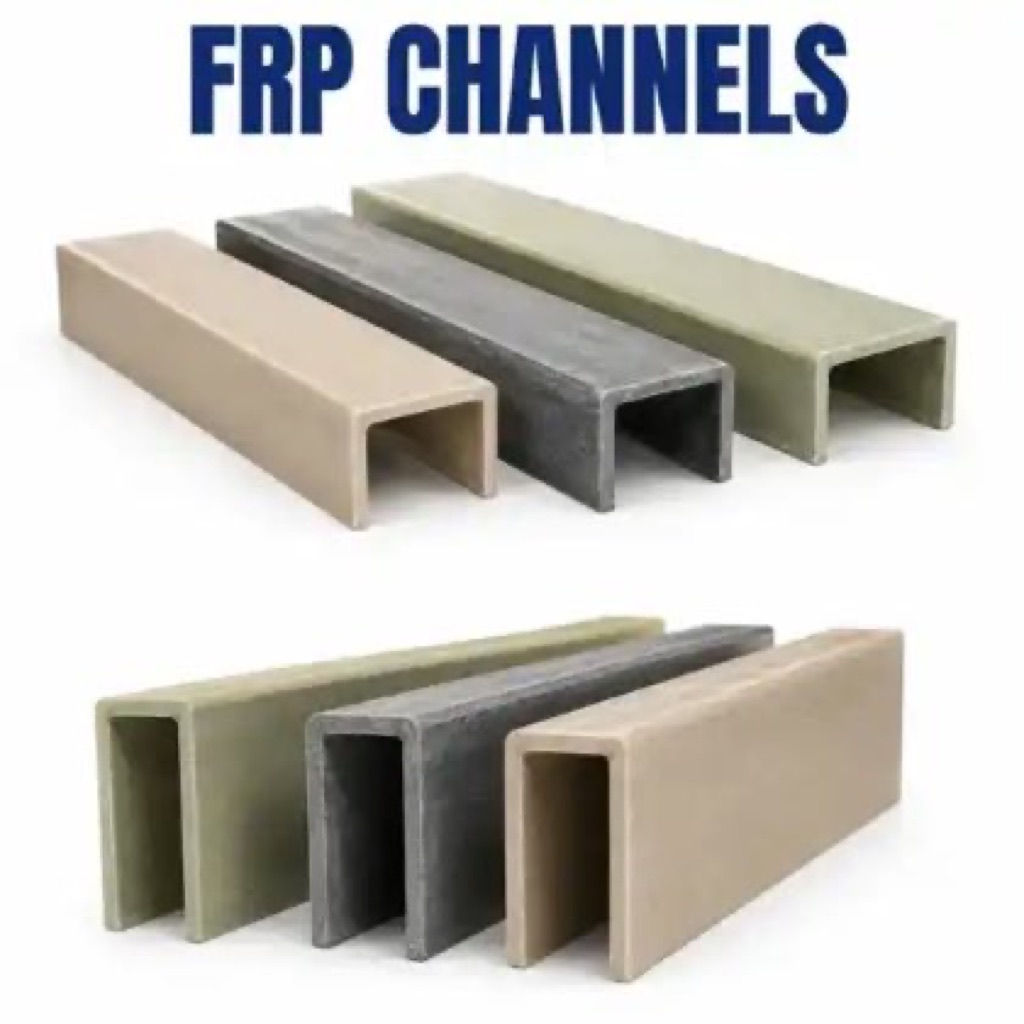
FRP Channels
No matching items.
Ask our parts teamModels, sizes and specifications
FRP square tubes: lightweight, non-conductive and available in many sizes.
FRP beams and angles for tower frames and supports.
FRP channels: high bearing shear properties, design flexibility, an alternative to beams, corrosion resistant, a high strength to weight ratio and quick installation.
FRP flatsheet for panels and covers.
FRP deck board for walkways and decks.
Corrosion-resistant FRP structural profiles that keep tower frames sound in humid, chemically aggressive environments.
Members matched to your repair: send the section sizes or a drawing of the frame, and our parts team confirms the members you need.
Why FRP is used in cooling tower construction
Corrosion resistance: FRP does not rust and resists many chemicals, so it suits harsh environments and chemical plants.
Light weight: FRP is significantly lighter than steel, so members are easier to lift and install.
Strength to weight: FRP profiles give high strength for their weight.
Non conductive: FRP does not conduct electricity and has low thermal conductivity.
Low maintenance: no painting for rust protection and no rot, so a long service life is possible when the part is specified for the conditions.
Design flexibility: standard structural profiles can be cut and joined on site.
Sunlight and expansion: members exposed to UV radiation and direct sunlight are specified for it, and the thermal expansion of FRP differs from steel, so the joint design should allow for it.
Cost effectiveness: the initial investment is weighed against the long service life and the low maintenance requirements, project by project.
Where FRP cooling towers and members are used
Fiberglass cooling towers and FRP structures are used in power plants and power stations, geothermal plants, oil refineries, petrochemical plants, chemical plants and other industries and industrial sites with corrosive water or air, on induced draft cooling towers, natural draft cooling towers and other tower types. Our FRP cooling tower projects include geothermal power plants in the Philippines.
FRP compared with traditional cooling tower materials: wood, steel and concrete
Wood: treated wood can rot, warp and burn, and needs replacement in wet service. FRP does not rot.
Steel: carbon steel rusts in wet air and needs protective coatings. FRP does not rust, though its strength and stiffness differ from steel, so sections are specified for the load.
Concrete: concrete towers are heavy and can crack. FRP is much lighter, which can reduce loads on supports.
FRP is not right for every case: members must be chosen for loads, temperature, protective coatings or resin systems and chemicals, and for joint design, and technical specifications from the manufacturer apply.
How to choose FRP members for a cooling tower
The member type: tube, beam, angle, channel, flatsheet or deck board.
Section size, length, thickness and quantity.
Load and span, and what the member supports (fill, fan deck, walkway).
Water chemistry and environment, including the chemical environment, hot water and prolonged exposure to sunlight.
Connections: bolted joints, brackets and hardware compatible with FRP, such as stainless steel or FRP tower hardware.
Existing structure: FRP, wood or concrete, and what is being replaced.
What to send for an FRP members quote
Send our parts team these details with your request:
owner, location, tower type, make and model;
member type, section sizes, lengths and quantities, or a drawing of the frame;
photos of the damaged or corroded members;
load or duty if the member carries equipment;
hardware needed for the joints.
FRP tower projects
Palinpinon geothermal power plant, Philippines (client EDC): crossflow FRP cooling tower, 2012 to 2013.
Cawayan geothermal plant, Philippines (client EDC): fiberglass FRP tower with splash fill converted to film fill, 2011.
FRP cooling tower questions
What is an FRP cooling tower?
A cooling tower with a frame and casing made of fiberglass reinforced plastic instead of wood, steel or concrete. The tower rejects heat from the circulating water to the atmosphere by evaporative cooling, and the FRP casing protects the internal components from corrosion.
Is FRP better than steel for cooling towers?
In wet and chemical conditions FRP resists corrosion where steel rusts. Steel is stronger for some loads, so the choice depends on the design.
What is the difference between FRP and GRP?
They describe the same type of material: glass-reinforced plastic, also called fiberglass reinforced plastic.
Can FRP members repair a wood or concrete tower?
Often yes, where the member is specified for the load. Send the frame drawing and photos for our parts team to review.
How long do FRP members last?
Service life depends on the resin, the environment and the load. We do not promise a number, so check the datasheet for the member quoted.
How much do FRP members cost?
Cost depends on type, size and quantity. We quote after confirming your details.
Need FRP members for your cooling tower?
Send the section sizes, drawing and photos, and our parts team will confirm the members and quote. Request an FRP quote or call our Bangkok team on +66 2 661 7723.