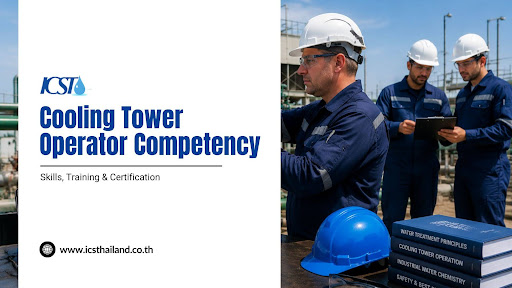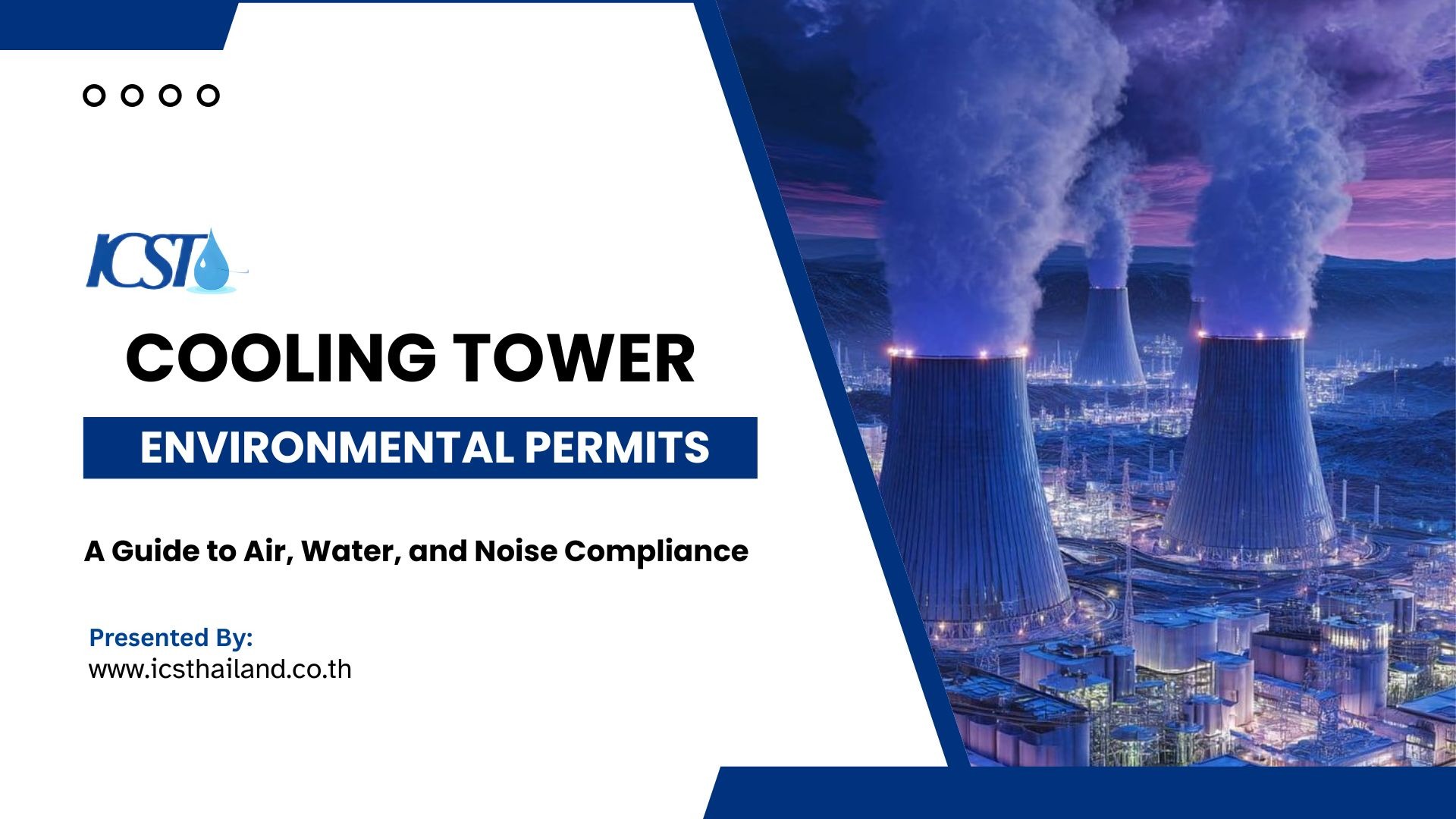
Obtaining the correct cooling tower environmental permits guarantees legal operation and regulatory compliance for your facility. Depending on your location and system size, you will likely need an air permit to control drift emissions and an NPDES permit to manage wastewater discharge.
Some sites also require a stormwater permit, alongside strict adherence to a local opacity standard and noise ordinance. Early planning prevents costly project delays, minimizes environmental risks, and ensures your cooling systems meet all government standards right from the start.
Why Environmental Compliance Starts Before the Cooling Tower Is Built
Facility managers must prioritize planning for cooling tower environmental permits long before construction begins. Addressing regulatory requirements early prevents expensive redesigns and accelerates project approvals.
Permits Influence Tower Design Decisions
Permits can shape the tower before the buyer signs the purchase order. An engineer may need a lower drift rate, quieter fan package, different discharge connection, secondary containment, or closed-loop design to meet site rules.
Good planning helps teams avoid expensive changes later.
Key design choices often affected by compliance include:
- Site selection: The tower location affects noise, visible plume complaints, stormwater runoff, and air dispersion.
- Equipment sizing: Oversized or poorly controlled systems can increase drift, blowdown, energy use, and noise.
- Water management: Blowdown routing, treatment chemicals, and discharge limits can affect permit obligations.
- Drift control: High-efficiency eliminators may reduce water droplet carryover.
- Noise control: Low-noise fans and VFDs can help meet property-line limits.
These choices connect engineering decisions with regulatory performance.
Regulatory Reviews Can Affect Project Timelines
Obtaining cooling tower environmental permits can be time-consuming, as agencies often require extensive documentation, including equipment data, emissions estimates, and site plans. The review period varies based on jurisdiction, project size, and discharge risk.
Federal rules require many industrial stormwater discharges to receive NPDES permit coverage, and the EPA explains that regulated industrial activities must obtain permit coverage unless a specific exclusion applies.
Project teams should build permit review into the construction schedule instead of treating it as paperwork.
Early Compliance Planning Reduces Future Risk
Proactive engineering eliminates the need for expensive retrofits after regulators inspect the site. You gain budget certainty by identifying all required mitigation equipment early in the design phase. Facilities that plan rarely experience operational shutdowns due to compliance violations.
Understanding the Regulatory Framework for Cooling Towers
Navigating the world of cooling tower environmental permits means dealing with several government agencies at once. To stay compliant, you’ll need to satisfy requirements at the federal, state, and local levels.
Federal Environmental Requirements
National environmental protection agencies establish baseline standards for air quality and water discharge. They enforce strict limits on the chemicals and pollutants your facility can release. These federal rules form the foundation for all local regulations.
State and Local Regulatory Authorities
State and local authorities often set the practical rules a facility must follow. They may issue air permits, water discharge permits, stormwater general permits, building approvals, acoustic limits, zoning approvals, and chemical storage requirements.
Regional differences matter. A cooling tower in a dense urban zone may face stricter noise and plume concerns than one inside a remote industrial park.
Industry-Specific Compliance Obligations
Power generation plants face different regulatory burdens than commercial office buildings. Chemical manufacturing facilities require specialized discharge approvals for harsh water treatment protocols. You must tailor your compliance strategy to your specific industry standards.
Air Permits: Managing Emissions and Drift
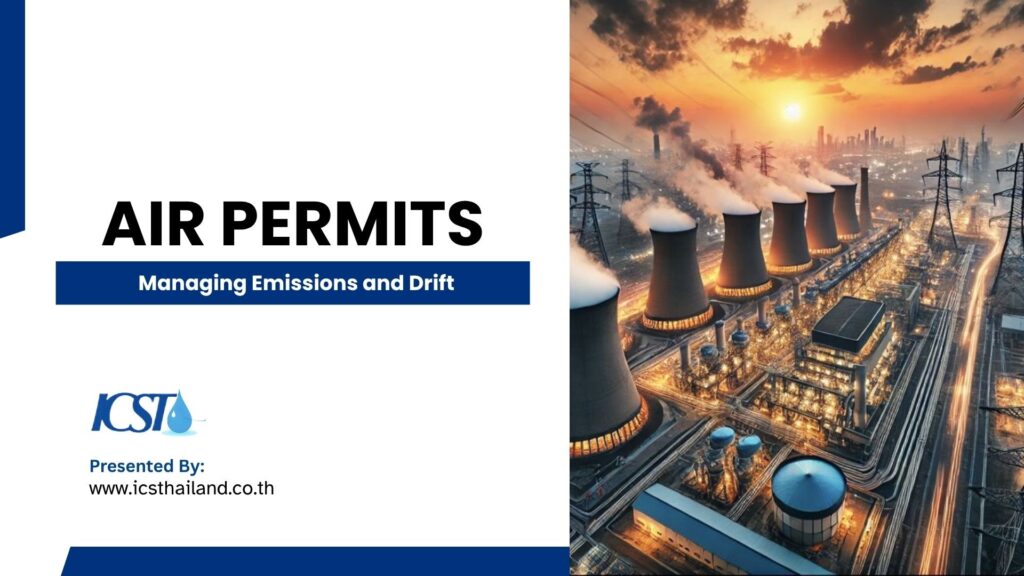
Many facilities misunderstand how cooling systems impact local air quality, a key consideration for obtaining cooling tower environmental permits. Regulators closely monitor the particulate matter escaping from your equipment, which can affect your ability to secure and maintain these permits.
When an Air Permit May Be Required
An air permit may apply when the tower meets a local applicability threshold, uses certain chemicals, creates measurable particulate emissions through drift, or sits inside a regulated industrial facility.
Rules vary by state, country, and air district. Owners should not assume that “no combustion” means “no air compliance.”
Common Air Pollutants Associated With Cooling Towers
Cooling tower air concerns usually come from water droplets and what those droplets carry. Drift can contain dissolved solids, treatment chemicals, or suspended material.
Regulators may ask teams to quantify these risks.
Common air-related concerns include:
- Drift droplets: Small water droplets can leave the tower with exhaust air.
- Particulate residue: Dissolved solids can become airborne residue after droplets evaporate.
- Treatment chemical carryover: Chemicals may leave the tower if drift control fails.
- Visible plumes: Water vapor plumes can create public complaints or opacity questions.
- Nearby receptor impact: Sensitive neighbors may increase review requirements.
A strong design reduces drift at the source.
Information Required During Air Permit Applications
Regulators expect detailed engineering specifications during the application process. You must provide calculated drift rates, total water flow capacities, and specific chemical usage estimates. Accurate emission calculations prove your equipment meets safety standards.
NPDES Permits and Cooling Tower Water Discharges
Water discharge compliance often creates the biggest permitting issue for cooling towers. Towers concentrate minerals and chemicals as water evaporates. Facilities then remove part of that circulating water as blowdown.
If the facility discharges blowdown to surface water or a regulated discharge point, it may need an NPDES permit or other local wastewater approval.
What an NPDES Permit Regulates
An NPDES permit regulates point-source discharges to waters in the United States. Cooling tower blowdown can fall under this system when a facility discharges it to surface water or a regulated pathway.
Some permits specifically cover non-contact cooling water and cooling tower blowdown. For example, an Ohio EPA fact sheet describes coverage for non-contact cooling water discharges, including cooling tower blowdown, under a general permit framework.
Common Cooling Tower Discharge Concerns
Cooling tower blowdown can contain heat, dissolved solids, corrosion inhibitors, biocides, suspended solids, pH shifts, and metals. Regulators may set limits to protect receiving waters and treatment systems.
EPA documents and wastewater permit materials often review effluent characteristics, discharge temperature, chemical content, and receiving-water impacts for cooling-related discharges.
Key discharge concerns include:
- Temperature: Warm discharge can affect aquatic conditions.
- pH: Poor control can create corrosive or harmful discharge.
- Conductivity and TDS: Dissolved solids can increase receiving-water load.
- Biocides: Treatment chemicals need careful control.
- Metals: Corrosion products can appear in blowdown.
A water treatment program should protect both equipment and discharge compliance.
Stormwater Permits and Site Water Management
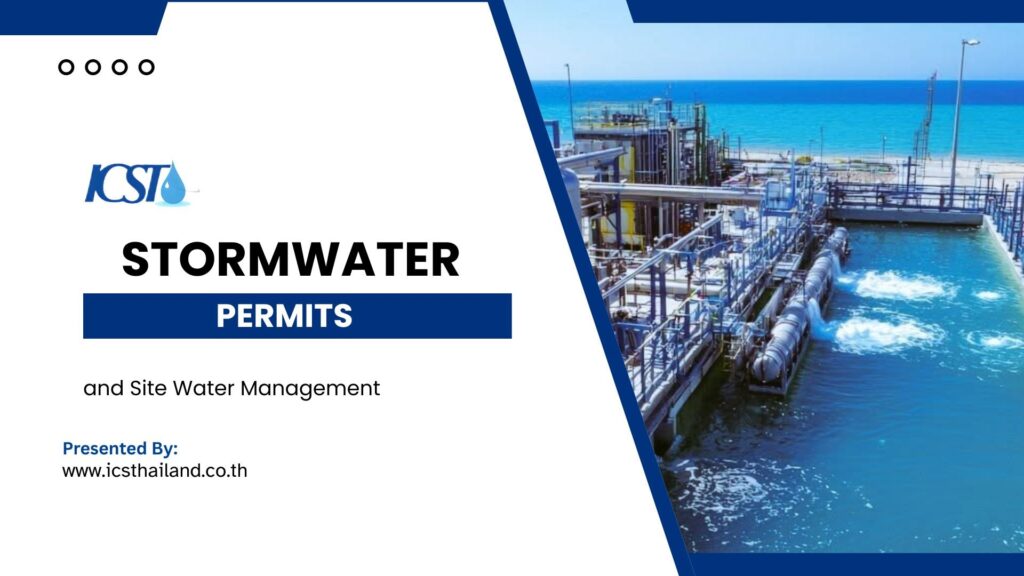
Surface runoff introduces industrial pollutants to local ecosystems. Facilities must separate their cooling processes from natural weather events.
Why Stormwater Permits Matter
A stormwater permit focuses on runoff management and pollution prevention. It helps prevent rainwater from carrying chemicals, sediment, oil, metals, or treatment residues into drains, streams, or soil.
Industrial stormwater permits often require a Stormwater Pollution Prevention Plan, inspections, and best management practices.
Potential Sources of Stormwater Contamination
Cooling tower projects can create stormwater risk through chemical handling and site maintenance. A tower basin overflow or chemical spill can also reach drains if the site lacks containment.
Stormwater risks often come from these areas:
- Chemical storage: Treatment chemicals can spill during delivery or handling.
- Maintenance work: Cleaning, descaling, and repairs can release residues.
- Tower overflow: Basin overflows can carry treated water outside containment.
- Drift residue: Deposits can accumulate on nearby surfaces and wash away.
- Waste handling: Used filters, sludge, and cleaning waste need proper disposal.
Good drainage design reduces these risks.
Opacity Standards and Visible Emission Concerns
Communities often react negatively to large, visible plumes from industrial sites. This can lead to public complaints and scrutiny from regulators, potentially impacting your cooling tower environmental permits. Therefore, it’s crucial to manage the visual impact of your equipment on the surrounding community.
What Opacity Standards Measure
An opacity standard measures the density and visibility of the plume exiting your exhaust stacks. Regulators calculate how much light the plume blocks to determine your compliance score. Strict interpretation of these rules forces facilities to minimize thick, persistent clouds.
Why Cooling Towers Sometimes Trigger Complaints
Cold weather often causes cooling towers to produce large, dense vapor plumes. Nearby residents mistake these harmless water vapor clouds for dangerous smoke or chemical fires. This negative public perception frequently triggers sudden regulatory inspections.
Strategies for Maintaining Compliance
Design and operation can reduce opacity concerns and public complaints. Teams should choose the right tower placement, control drift, and document water vapor behavior.
Useful strategies include:
- High-efficiency drift eliminators: Reduce liquid droplet carryover.
- Good siting: Keeps visible plumes away from sensitive views where possible.
- Operational controls: Adjust fan operation to manage plume behavior when feasible.
- Hybrid cooling: Reduces plume formation in sensitive locations.
- Public communication: Helps explain water vapor plumes when complaints arise.
Visible plume planning can protect both compliance and community trust.
Noise Ordinances and Community Impact Management
Industrial noise severely impacts nearby residential neighborhoods and commercial districts. You must keep sound generation within acceptable legal limits.
Common Cooling Tower Noise Sources
A cooling tower can create tonal and broadband sound. The loudest source depends on tower type, fan speed, motor condition, water distribution, and enclosure design.
Common noise sources include:
- Fans: Large fans create airflow and blade-pass sound.
- Motors and gearboxes: Mechanical drive components can add tonal noise.
- Water movement: Falling water creates splash and cascade noise.
- Vibration: Poor alignment can transmit sound through structures.
- Air inlet turbulence: Restricted airflow can increase noise.
A noise review should address the full system, not only the fan.
How Noise Ordinances Affect Tower Projects
A strict local noise ordinance typically forces facilities to reduce operations during evening hours. Regulators measure sound levels directly at your property line to ensure compliance. You face steep fines if your equipment exceeds these mandated decibel limits.
Noise Reduction Solutions
Noise control works best during design. Retrofitting barriers and silencers after complaints can cost more and reduce maintenance access.
Effective solutions include:
- Low-noise fans: Reduce source sound.
- Variable speed operation: Lowers sound during partial-load periods.
- Acoustic barriers: Blocks direct sound paths.
- Sound attenuators: Reduces inlet or discharge noise.
- Vibration isolation: Limits structure-borne noise.
Good acoustic planning helps the tower meet both operational and community requirements.
Environmental Compliance Checklist for Cooling Tower Projects
Use this checklist to verify your project meets all regulatory demands before starting construction. Review these specific areas to prevent costly oversights.
Air Compliance Review
- Assess the total potential drift volume using manufacturer data.
- Calculate particulate emissions based on your maximum water treatment chemical concentrations.
Water Compliance Review
- Identify the exact municipal sewer or surface water location for your blowdown discharge.
- Confirm your planned water treatment chemicals meet local discharge safety limits.
Stormwater Compliance Review
- Map all chemical storage areas and ensure they feature secondary containment walls.
- Design the site drainage to route emergency basin overflows away from natural waterways.
Noise Compliance Review
- Measure existing background noise levels at all surrounding property lines.
- Select fan and motor combinations guaranteed to operate below local nighttime decibel limits.
Cooling Tower Compliance Checklist
Use the following table to understand the requirements for various cooling tower environmental permits and manage your operational risks.
| Compliance Area | Primary Concern | Typical Regulatory Focus | Required Documentation | Risk of Non-Compliance |
| Air Permit | Drift and emissions | Air quality protection | Emission rate calculations | Fines for excess particulate release |
| NPDES Permit | Blowdown discharge | Water quality protection | Water sampling logs | Mandatory facility shutdown |
| Stormwater Permit | Site runoff | Pollution prevention | Spill prevention plans | Penalties for ecosystem damage |
| Opacity Standard | Visible plume control | Public visual impact | Plume visibility reports | Increased community complaints |
| Noise Ordinance | Sound levels | Community protection | Acoustic survey data | Nighttime operation bans |
Conclusion
Securing your cooling tower environmental permits is an absolute necessity for safe, legal, and sustainable industrial operations. Facility leaders must address their air permit demands, manage their NPDES permit wastewater regulations, and control site runoff through a robust stormwater permit.
Additionally, respecting the local opacity standard and noise ordinance keeps your facility in good standing with the surrounding community. By adopting proactive planning and investing in modern technology, you protect your business from costly fines, forced shutdowns, and permanent environmental damage.
For expert assistance with cooling tower services, repairs, or new builds in Thailand, contact Industrial Cooling Solutions to ensure your operations remain compliant and efficient.
Frequently Asked Questions
What happens if I operate without the necessary cooling tower environmental permits?
Operating without the proper permits leads to significant financial penalties, legal action, and immediate shutdown orders from regulators. Your facility will be forced to cease operations until all required permits are secured and fines are fully paid.
How can I ensure my cooling tower meets air permit requirements?
To meet air permit requirements, you must accurately calculate and report particulate matter and drift emissions. Installing high-efficiency drift eliminators and using clean water sources can help minimize emissions and ensure you remain well within legal limits.
What is the difference between an NPDES permit and a stormwater permit?
An NPDES permit regulates wastewater discharges directly into water bodies, focusing on chemical and thermal pollution from blowdown. A stormwater permit, however, manages runoff from your site to prevent contaminants from reaching storm drains during rainfall.
How can I reduce noise to comply with a local noise ordinance?
To comply with a noise ordinance, you can install low-noise fan blades, add sound-attenuating barrier walls, or use variable frequency drives to reduce fan speed during sensitive times. These measures help keep operational noise below legal property line limits.
Are indoor cooling towers exempt from environmental permits?
While indoor cooling towers might be exempt from a stormwater permit since they are not exposed to rainfall, they still require air and wastewater permits. You must manage emissions and properly handle blowdown water to remain compliant with regulations.