Can a single day during the installation process truly decide the next two decades of performance for your cooling tower system? Imagine walking through an industrial site where every machine runs cool, efficiently, and silently, thanks to a flawlessly executed cooling tower installation. Yet, most facilities never see this outcome. Silent mistakes made during installation often go unnoticed until they trigger leaks, efficiency losses, and expensive repairs just a few years later.
Cooling Tower Installation is more than assembly; it is a critical operation that influences system efficiency, water quality, equipment lifespan, and maintenance costs for all types of industrial and commercial facilities. If you are determined to optimize cooling performance and avoid common pitfalls that undermine even the best systems, keep reading.
What follows are expert insights and key considerations you will not find in any standard manual, your blueprint to a robust, future-proof installation.## 1. The Laser Mandate: Eliminate Drivetrain Failures
The Laser Mandate: Eliminate Drivetrain Failures
The alignment of cooling tower components, especially the motor, gearbox, and driveshaft, requires close attention and expertise. Relying only on straight-edge checks can lead to vibration, pressure spikes, and premature failure. Mandating laser alignment throughout the installation process is critical.
This best practice keeps all moving parts operating on the same plane, diminishing stress and extending the lifespan of equipment such as pumps, bearings, and couplings. This directly enhances cooling efficiency and reduces the need for spare parts and frequent maintenance.
The 25-Foot Exclusion Zone: Prevent Thermal Short-Circuiting
For maximizing cooling efficiency, selecting the ideal location and providing at least a 25-foot exclusion zone around the tower is a key step. This allows proper airflow for heat rejection and prevents hot air or water droplets from recirculating back into the cooling tower system.
Insufficient spacing impairs cooling tower operation, reducing efficiency by up to 15% and jeopardizing the cooling needs of industrial and commercial facilities.
The Invisible Sealing Check: Stop Corrosion Before It Starts
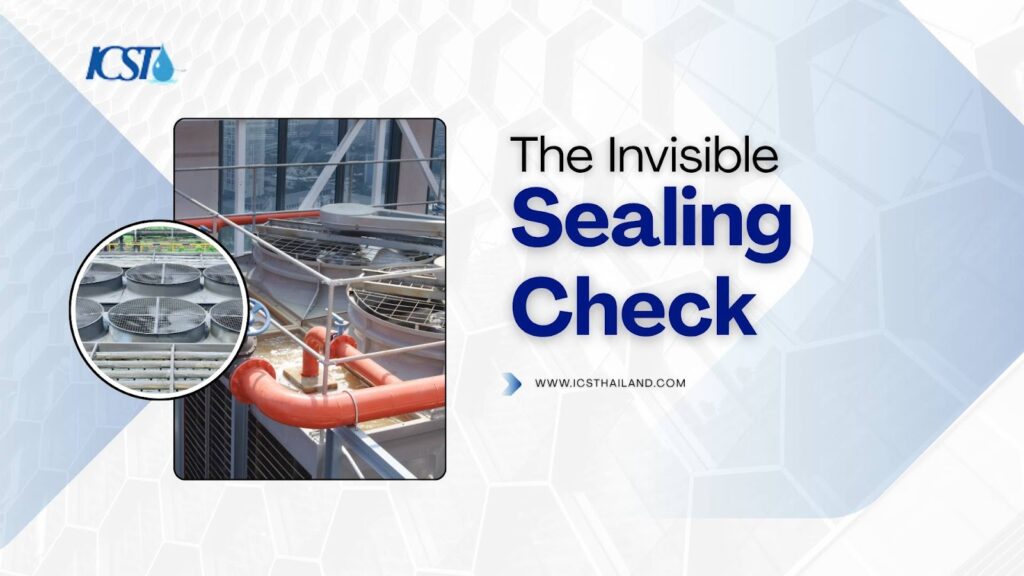
The protection of cooling tower components relies on thorough sealing and the inspection of materials for any breaches or transit damage before installation is complete. Inspecting and touching up polyurea coatings and specialized sealants on the tower prevents leaks, hidden corrosion, and eventual system degradation.
Proper sealing is crucial for optimal performance, long-term durability, and preventing Legionella bacteria from forming due to unwanted water retention inside the structure.
The Anti-Water-Hammer Flex: Absorb Destructive Energy
During system operation, the cooling tower, pumps, and piping must absorb constant vibration, water pressure fluctuations, and hydraulic shock. Installing heavy-duty vibration isolation pads and flexible pipe connectors as part of the installation process is essential to prevent damage, minimize noise, and support the structure.
These elements reduce stress on tower components and effectively extend pipe life and efficiency for both industrial and commercial operations.
5. The Smart Start Calibration: Protect Mechanical Components
Commissioning the cooling tower installation process with smart calibration of controls like Variable Frequency Drives (VFD) optimizes the ramp-up and ramp-down curve of the fan motor.

This practice protects the system from hard-start torque, reduces peak energy draw, and ensures the chiller and all components run safely to maximize system efficiency, performance, and longevity.
Why Optimized Installation Processes Pay Off
When you properly install a cooling tower, the benefits are clear and quantifiable:
- Massive Energy Savings: Optimal programming of VFDs supports maximizing cooling efficiency and system longevity.
- Extended Equipment Lifespan: Laser alignment reduces the risk of failed bearings, broken couplings, and downtime.
- Guaranteed Thermal Performance: Correct airflow prevents air recirculation and preserves cooling capacity on high-demand days.
- Reduced Water Treatment Costs: Sound basin installation and drainage eliminate standing water and reduce biological risk.
- Noise Control: Strategic orientation and vibration isolation pads keep noise at acceptable levels for sensitive sites.
- Lower Insurance Premiums: Proactive installation practices and regular maintenance lower operational risk and insurance rates.
Installation Impact Table
| Component | Installation Best Practice | Impact on Lifespan/Efficiency |
| Drivetrain (Motor/Gearbox) | Laser Alignment Protocol (Secret Tip #1) | 3x lifespan of bearings; eliminates premature coupling failure |
| Location (Airflow) | Minimum 25-Foot Clearance (Secret Tip #2) | Prevents up to 15% efficiency drop from hot air recirculation |
| Structure/Casing | Polyurea Touch-Up & Sealing (Secret Tip #3) | Eliminates hidden flash corrosion; maintains structural integrity |
| Piping (Connections) | Flexible Connectors & Isolation Pads (Secret Tip #4) | Absorbs thermal stress and vibration; prevents structural cracks |
| Controls (Fan Motor) | VFD Ramp-Up Calibration (Secret Tip #5) | 10-15% reduction in peak energy draw; protects motor windings |
Conclusion: Elevate Your Cooling Tower Installation for Lasting Value
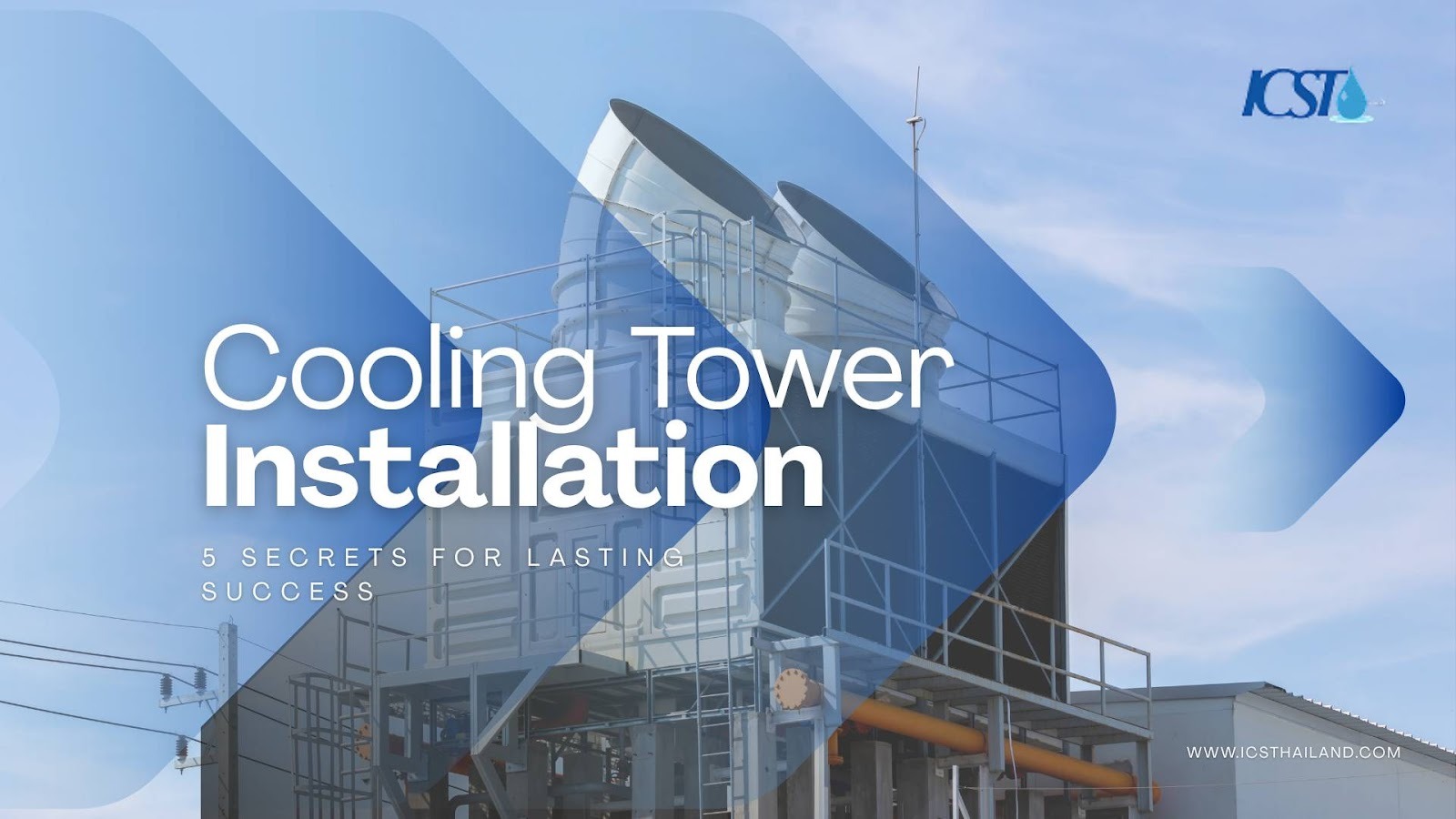
The process for cooling tower installation must address all essential components, including fill media, drift eliminators, mechanical assembly, and other components needed for optimal cooling performance.
Paying close attention to key steps such as selecting materials, verifying structure weight, planning installation processes, assessing site conditions (roof or ground), and integrating regular maintenance routines ensures both short-term reliability and long-term durability.
Choose to optimize, not compromise. The right installation not only supports the current cooling needs of your facility but also protects your investment for years, providing efficient water circulation, stable operation, and compliance with best safety practices.
Ready to determine the best approach for your cooling tower system with International Cooling Solutions? Contact us to support your project and ensure your cooling tower is installed for maximum efficiency and longevity.
Frequently Asked Questions
How much does it cost to install a cooling tower?
The cost varies widely based on size, type, and complexity, ranging from $50,000 to over $200,000 for industrial cooling towers.
Where should a cooling tower be installed?
Cooling towers should be installed in open areas with at least 25 feet of clearance from walls or obstructions to ensure proper airflow and prevent recirculation.
What is the process of tower installation?
The process includes site preparation, foundation verification, structural assembly, drivetrain alignment, piping and controls integration, and final testing.
What is a cooling tower, and how does it work?
A cooling tower is a heat rejection device that removes waste heat from a building or process by evaporating water, cooling it for reuse.
What are the three types of cooling towers?
The three main types are crossflow, counterflow, and hybrid cooling towers, each differing in airflow and water flow design.
What is the temperature range of a cooling tower?
Cooling towers typically reduce water temperature by 10-30°F, depending on design and environmental conditions.