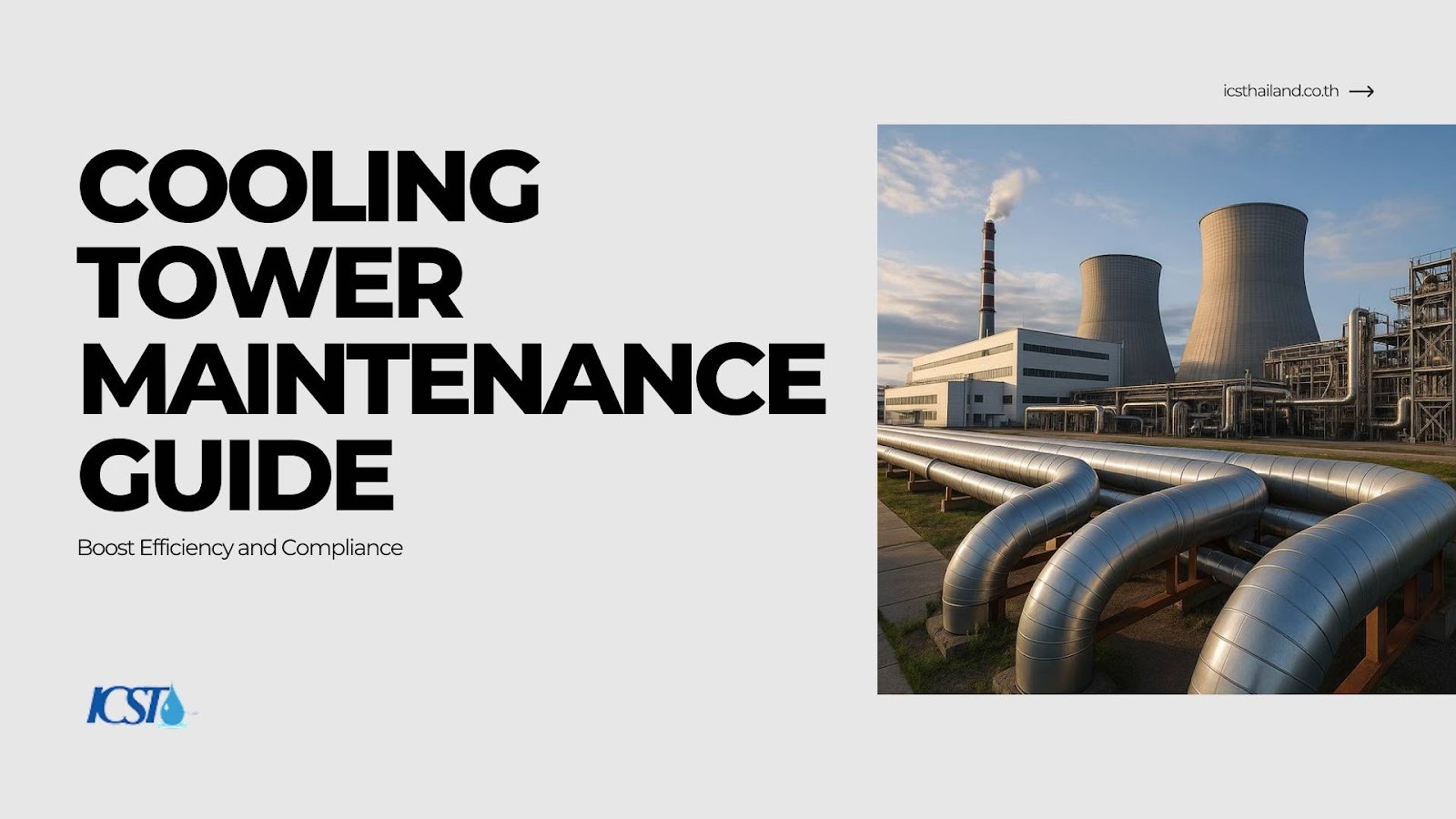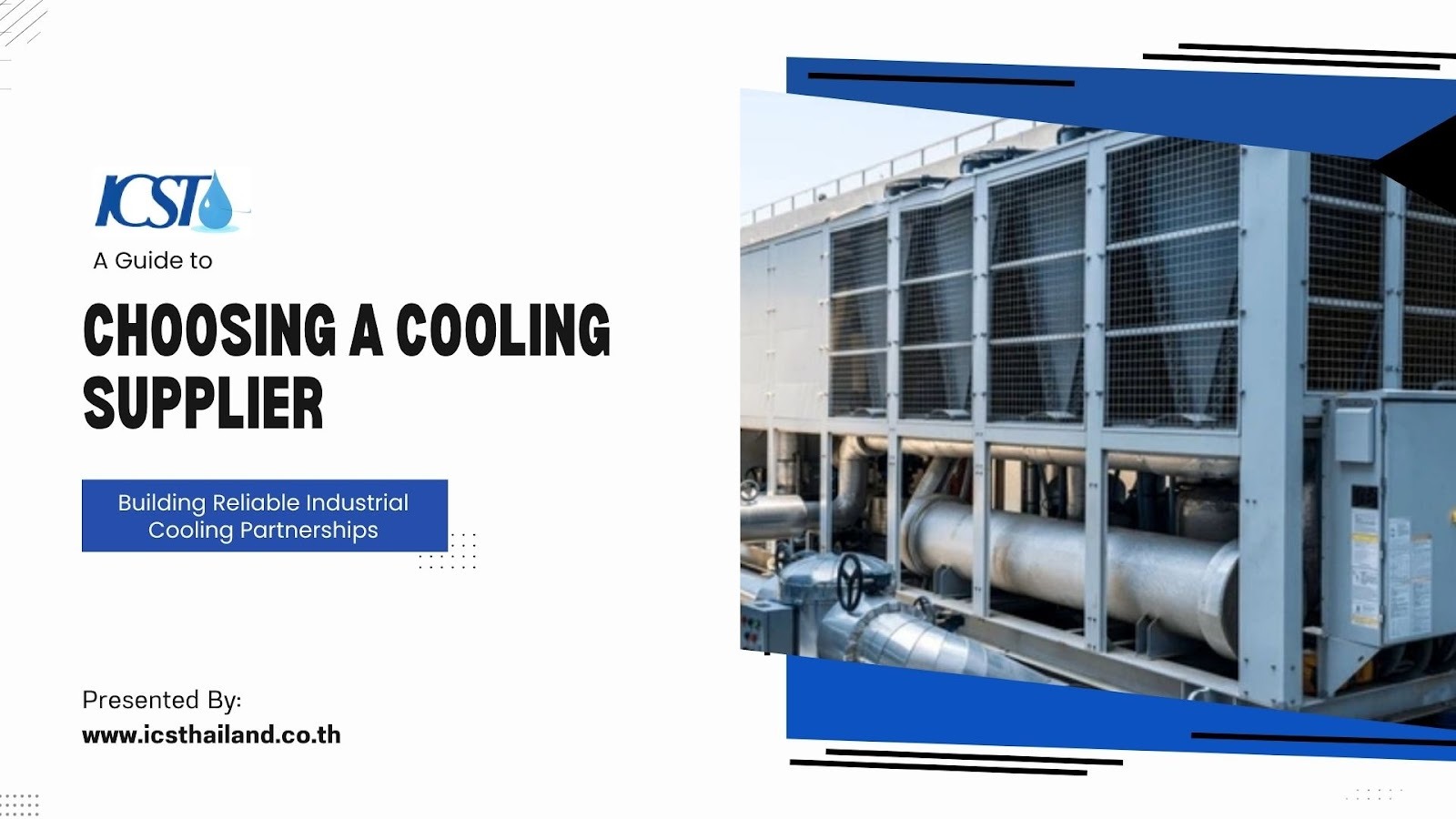
Effective cooling tower water distribution is vital for maximizing thermal performance in today’s high-demand environments. As industries face rising heat loads from sources like AI data centers and advanced manufacturing, the need for precise distribution systems grows.
Uniform water flow over the fill media ensures optimal air-to-water contact, which is essential for efficient heat transfer. Modern solutions from advanced spray nozzle designs to robust distribution headers help minimize dry spots and energy waste, even as global water scarcity intensifies.
This guide delivers expert insights into engineered components, system comparisons, and adaptive strategies that keep cooling tower water distribution reliable and sustainable.
Distribution System Comparison: Gravity vs. Pressurized
Engineers generally select between two primary system types: the gravity system and the pressurized spray system. The choice often depends on whether the facility utilizes crossflow cooling towers or counterflow designs.
| Design Aspect | Gravity-Flow (Crossflow) | Pressurized Spray (Counterflow) |
| Piping Layout | Open “hot water basins” with orifices, distribute water by gravity onto the wet deck. | Enclosed distribution header and laterals feed water to spray nozzles. |
| Pump Head Requirements | Lower; utilizes natural gravity, minimal pump pressure needed. | Higher; requires 5–10 psi pump pressure for water atomization. |
| Maintenance | Easy access; cleanable during tower operation. | Requires a full system shutdown to access and clean internal nozzles. |
| 2026 Efficiency | Best for high-volume, legacy installations with greater debris management needs. | Optimal for precision cooling, water conservation, and thin film formation. |
Key Engineering Components
A modern cooling tower relies on advanced material science and hydraulic engineering to ensure thermal performance.
The Distribution Header and Laterals
The piping infrastructure transports the process water to the emission points.
- Material Science: The industry is transitioning away from galvanized steel. Modern designs favor uPVC, Polypropylene, or Stainless Steel. These materials prevent internal corrosion that frequently leads to clogged nozzles.
- Hydraulic Balancing: Engineers design headers with tapered diameters. This ensures the furthest nozzle receives the same water pressure as the closest connection. This balance guarantees uniform coverage across the entire wet deck.
Advanced Nozzle Design
The nozzle is the final control point for water distribution.
- Square-Pattern Technology: This is the 2026 standard for counterflow towers. Circular sprays create “overlap gaps” or areas of double coverage. Square patterns eliminate these inefficiencies, ensuring 100% of the fill material is utilized.
- Anti-Clog Geometry: “Target” and “Spiral” designs allow larger particulates to pass through. This is essential for applications with poor water quality, preventing obstructions in the flow.
Adapting to Water Scarcity: The 2026 Pivot
Regions facing strict water scarcity must rely on the distribution system as the first line of defense. The focus has shifted from simple heat exchange to rigorous water conservation.
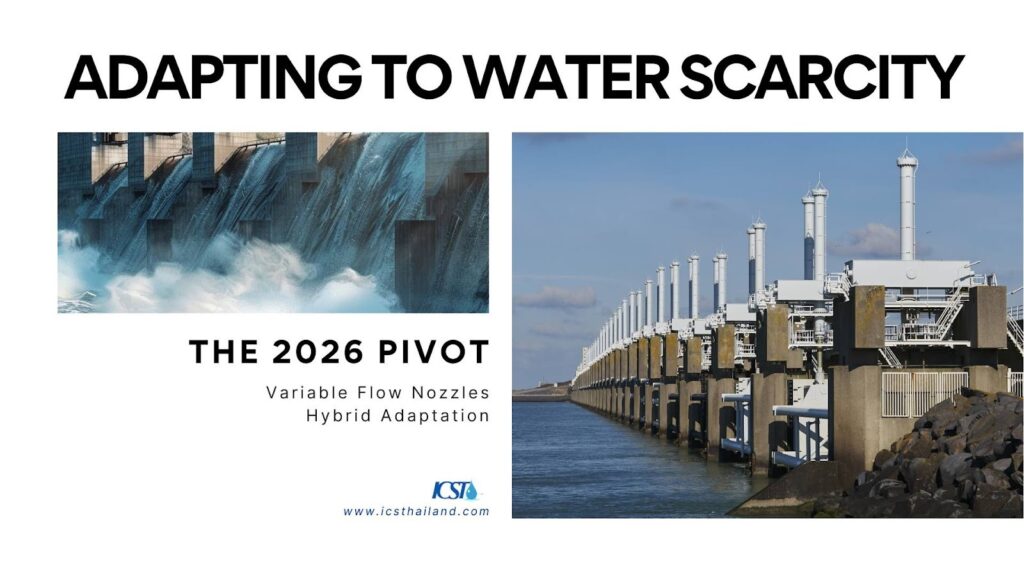
- Variable Flow Nozzles: Smart nozzles can now adjust their orifice size based on real-time heat load. They maintain a perfect spray pattern even when the water flow is reduced significantly.
- Hybrid Adaptation: Facilities are integrating dry-cooling sections. This approach reduces evaporative loss during peak scarcity periods while maintaining system stability.
Maintenance: Signs of Distribution Failure
Regular maintenance inspections reveal the health of the cooling tower water distribution system. Operators should watch for specific symptoms that indicate hydraulic failure.
- Icing (Winter Operations): Heavy ice formation on the tower perimeter often signals poor distribution. If water flows too heavily near the air inlet, it freezes rapidly.
- High Drift Loss: If spray nozzles are “streaming” rather than “atomizing,” or if the pressure is too high, water splashes out of the tower. This results in the loss of treated water and chemicals.
- The Thermal Audit: Infrared sensors can detect “cold zones” in the fill. These zones signal a clogged spray nozzle system or broken spray pipes that are not delivering hot water to the intended area.
Conclusion: Engineering for Hydraulic Certainty
In 2026, a cooling tower water distribution system is a precision instrument, not just a set of pipes. By selecting the right nozzle design and ensuring uniform water flow, International Cooling Solutions (Thailand) helps industries achieve technical feasibility and environmental sustainability.
The components you select today determine your operational efficiency for the next decade. Do not let dry spots or clogged nozzles compromise your thermal performance.
Is your tower struggling with uneven cooling or rising energy costs? Contact ICST’s Bangkok engineering hub today for a Hydraulic Distribution Audit and optimize your thermal performance for the 2026 economy.
Frequently Asked Questions (FAQs)
What is the purpose of a cooling tower water distribution system?
The water distribution system ensures uniform water flow over the fill media, maximizing air-to-water contact for efficient heat transfer in cooling towers.
How does a gravity-flow system differ from a pressurized spray system?
Gravity-flow systems use open hot water basins and rely on natural gravity, while pressurized spray systems use enclosed headers and spray nozzles, requiring higher pump pressure for atomization.
Why is uniform water flow important in cooling towers?
Uniform water flow prevents dry spots on the fill media, which can reduce cooling capacity and increase energy consumption.
What are the benefits of advanced nozzle designs in cooling towers?
Advanced nozzles, like square-pattern and anti-clog designs, ensure even water distribution, prevent blockages, and optimize thermal performance.
How can cooling towers adapt to water scarcity?
Cooling towers can use variable flow nozzles and hybrid systems with dry-cooling sections to conserve water while maintaining efficiency.