For decades, industrial cooling was about rejecting heat. Forward-thinking facilities now realize that this rejected heat is their largest untapped energy asset. A significant shift is underway, moving from simply discarding thermal energy to actively recovering and reusing it. This transformation is not just a trend; it is a strategic necessity for businesses aiming for operational excellence and sustainability.
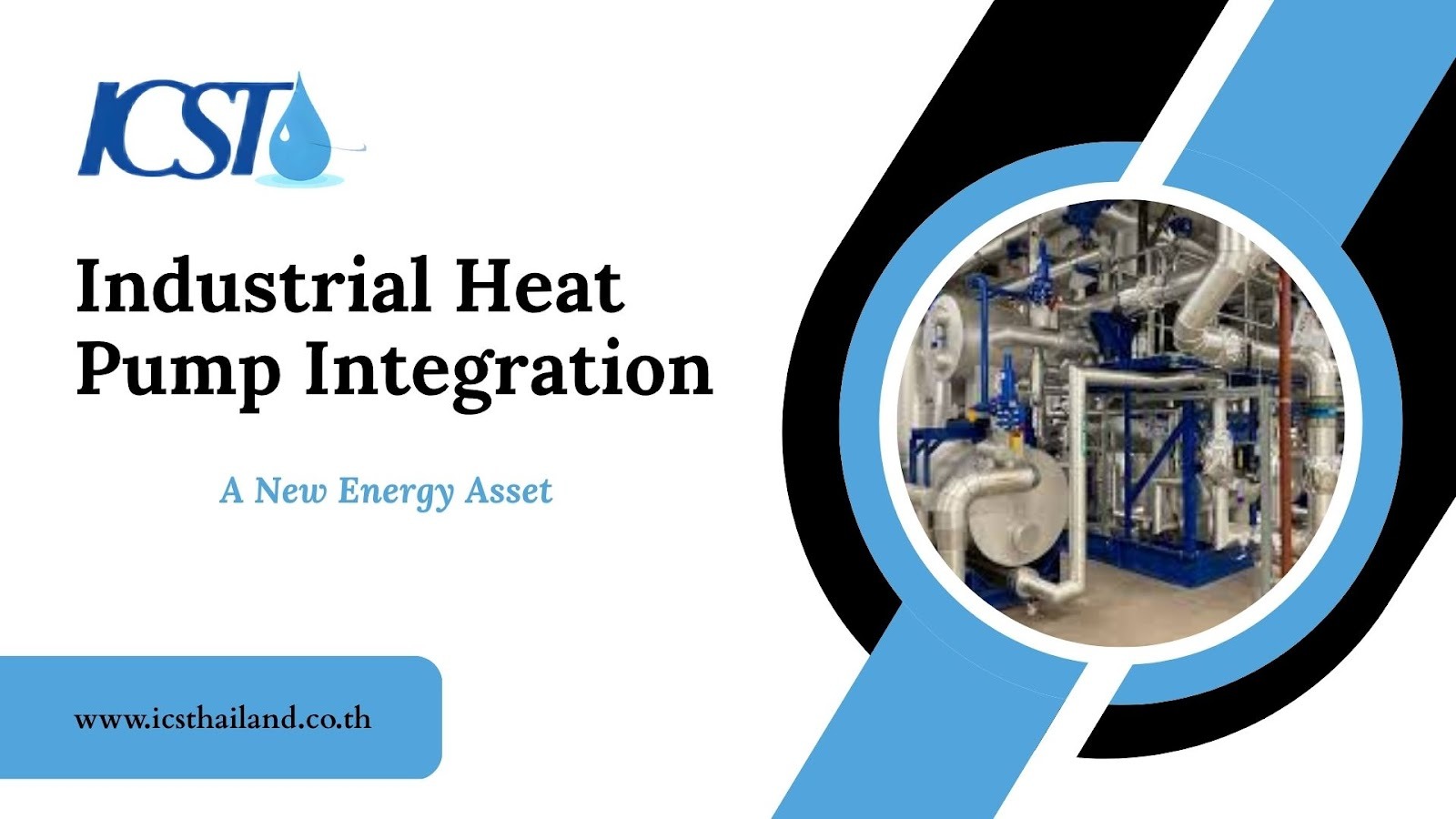
Industrial Heat Pump Integration is the core technology driving this change. It captures low-grade waste heat from the cooling tower circuit and converts it into high-grade, reusable process heat. This process is not merely an efficiency upgrade. It is a fundamental re-imagining of industrial thermal management.
The key to unlocking massive OpEx savings, achieving Energy Efficiency Thailand targets, and turning a cooling tower from a liability into a stable Cooling Tower Heat Source is integration.
The Strategic Logic: Why the Cooling Tower is the Ideal Heat Source
To successfully recover waste heat, you must identify a source that is both abundant and consistent. For many industrial facilities, the cooling tower circuit is the perfect candidate. This system, traditionally seen as an operational necessity for heat disposal, holds the key to significant energy and cost savings when repurposed. Integrating a heat pump with your cooling tower is a strategic decision that unlocks dual benefits, fundamentally changing your plant’s energy equation.
A. The Waste Heat Recovery Cycle
A heat pump fundamentally redefines waste heat from a cooling tower, transforming it from an overlooked byproduct into a valuable energy source. So, how exactly does it upgrade this low-grade heat into a high-value asset? The process relies on a continuous thermal cycle, using a small amount of external energy to transfer and amplify thermal energy.
- Heat Extraction: The heat pump extracts low-grade thermal energy from the warm water circulating through the cooling tower loop. This water is an ideal source because it carries a concentrated amount of heat that would otherwise be lost to the atmosphere.
- Temperature Amplification: Using a refrigerant cycle and a compressor, the heat pump “upgrades” this thermal energy, raising its temperature significantly.
- Heat Delivery: The resulting high-grade heat is then transferred to another process stream where it can be used effectively. Common applications include pre-heating boiler feedwater, supplying hot water for cleaning and sanitation, or supporting various production processes that require consistent thermal input.
B. Maximizing COP (Efficiency)
What makes a heat pump operate at peak performance? A stable and warm heat source is the most critical factor. This is because a warmer heat source reduces the work the compressor needs to do, requiring less electrical input to achieve the desired temperature output. A consistent temperature further optimizes the system, preventing fluctuations that can decrease efficiency and increase energy consumption.
- The Link Between Source and COP: A heat pump’s efficiency is measured by its Coefficient of Performance (COP). A higher COP means the unit produces more thermal output for every unit of electrical energy it consumes. The warmer and more stable the heat source, the higher the COP.
- Cooling Tower Consistency: An industrial cooling tower circuit provides the perfect conditions. It maintains a relatively consistent and elevated water temperature, creating an ideal and steady Cooling Tower Heat Source. This consistency allows the heat pump to operate within its optimal design parameters, maximizing efficiency and energy savings.
C. The Dual-Savings Advantage
Why is this integration a game-changer for your bottom line? It generates savings from two different angles simultaneously. First, you’re recycling waste heat that would typically stress your cooling tower parts, heat that you’d otherwise be paying to dissipate.
Second, you’re using that recycled energy to offset the fuel costs of your primary heating system. This synergistic relationship creates a powerful cycle of efficiency and cost reduction.
- Reduced Process Heating Costs: By supplying high-grade heat for process applications, the heat pump eliminates or reduces the need to run a separate fossil-fuel boiler. This directly cuts fuel consumption and lowers associated operating expenses, leading to immediate and substantial savings.
- Enhanced Cooling Efficiency: Extracting heat from the cooling tower water before it reaches the tower itself reduces the thermal load on your existing cooling equipment. This action can reduce the energy consumption of chillers and cooling tower fans, creating a secondary stream of savings and enhancing the overall efficiency of your primary cooling system.
The Integration Challenge: Ensuring System Synergy
Successfully implementing Industrial Heat Pump Integration is more than just purchasing equipment. It demands specialized engineering expertise to ensure the new system works in harmony with your existing infrastructure.
Without careful planning and precise execution, you risk disrupting critical cooling processes and failing to achieve the expected return on investment. This is why a meticulous approach, guided by experienced professionals, is non-negotiable.
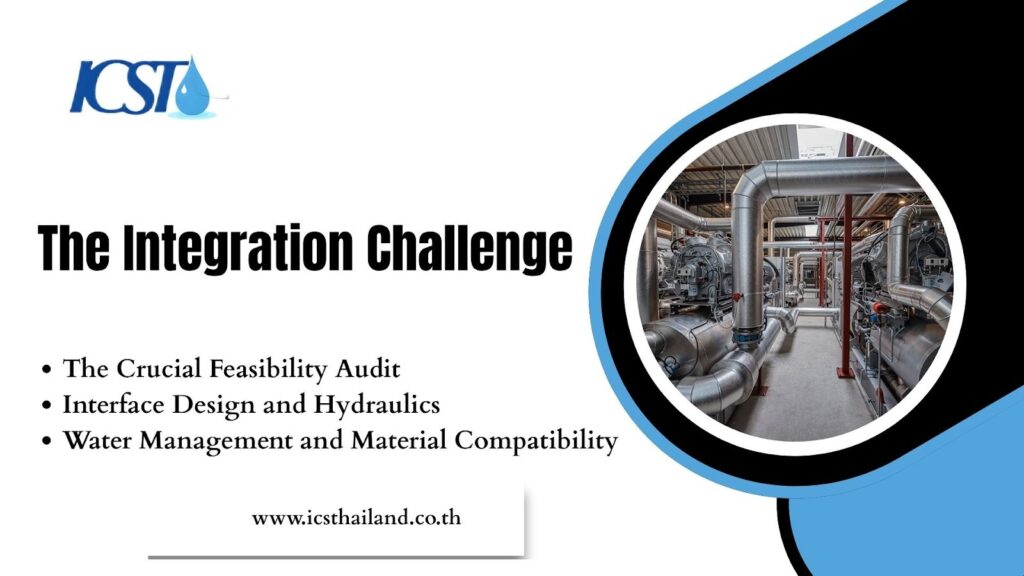
A. The Crucial Feasibility Audit
How do you guarantee a successful project from the start? It all begins with a comprehensive feasibility audit. This critical first step helps identify potential hurdles, optimize design, and prevent costly oversights down the line. It’s the blueprint for maximum efficiency and ROI.
- Assessing Existing Systems: A detailed audit is the first step. Experts must analyze your current cooling system to determine its actual heat load capacity, operational parameters, and the material compatibility of its components. This analysis reveals the true potential for Waste Heat Recovery.
- Navigating Local Mandates: In Thailand, design and implementation must align with national standards. Expertise in Energy Efficiency Thailand mandates is essential for securing design approval and ensuring your project complies with all regulatory requirements.
B. Interface Design and Hydraulics
It’s about ensuring seamless interaction, optimal performance, and preventing system instability. When dealing with something as critical as waste heat recovery, the stakes are high, and even minor misalignments can lead to significant inefficiencies or operational issues.
- Side-Stream Integration: The integration typically involves a side-stream design. This means a portion of the cooling water is diverted to the heat pump. Designing the precise piping, controls, and heat exchangers is a complex hydraulic challenge.
- Maintaining Primary Processes: The primary goal is to integrate the heat pump without disrupting the main cooling process. The system must be designed to avoid any negative impact on pressure, flow rates, or temperature stability in the primary cooling loop, ensuring your core operations remain unaffected.
C. Water Management and Material Compatibility
How do you protect your equipment and ensure long-term reliability? Proactive water management, encompassing measures like biocide treatment, is essential. This becomes even more critical when integrating a heat pump with existing cooling infrastructure, as the water chemistry needs of both systems can differ.
- Balancing Water Chemistry: The water chemistry required for a cooling tower is different from that needed for a heat pump’s heat exchangers. Specialized knowledge is necessary to develop a Water Management strategy that optimizes conditions for both systems.
- Preventing Corrosion and Scaling: An effective water treatment program prevents corrosion, scaling, and biological fouling. This protects your investment, ensures both systems operate efficiently, and supports long-term reliability.
- Maintaining Energy Efficiency: Proper water management minimizes energy wastage by ensuring heat transfer surfaces remain clean and efficient, reducing operational costs and environmental impact.
Realizing the ROI: Savings and Sustainability
Investing in Industrial Heat Pump Integration delivers a powerful combination of financial returns and environmental benefits. It transforms a source of waste into a pillar of your plant’s efficiency and sustainability strategy.
The return on investment is not just theoretical; it is quantifiable, measurable, and aligns directly with key business objectives, including cost reduction and corporate responsibility goals.
A. Quantifiable Waste Heat Recovery
How does heat recovery translate into measurable savings? The impact on your operating budget is direct and significant. By capturing and reusing wasted heat, businesses can reduce energy consumption, lower utility costs, and improve overall efficiency.
Over time, these savings can lead to a faster return on investment while contributing to more sustainable operations.
- Reduced Energy Consumption: By capturing and reusing thermal energy, facilities can significantly reduce their reliance on purchased energy. For example, recovering waste heat to pre-heat boiler feedwater can cut fuel consumption for steam generation by 10-20% or more, depending on the application.
- Lower Operating Costs: This reduction in energy use leads directly to lower utility bills and a measurable decrease in overall operating expenditures. The savings compound over time, creating a strong financial case for the initial investment.
B. Achieving Energy Efficiency Thailand Goals
How does this technology help you meet national sustainability targets? It positions your company as a leader in industrial energy efficiency. This is more than just compliance; it’s a direct contribution to Thailand’s energy reduction goals.
By adopting waste heat recovery, you demonstrate a clear commitment to sustainable growth, enhancing both your operational efficiency and corporate reputation.
- Meeting National Mandates: Adopting Waste Heat Recovery solutions is a proactive step toward meeting and exceeding the goals set by Energy Efficiency Thailand. It demonstrates a commitment to sustainable practices and responsible energy management.
- Accessing Incentives: Facilities that implement proven energy-saving technologies may qualify for local incentives, tax credits, or green financing programs. These benefits can further shorten the payback period and improve the project’s overall financial viability.
C. Long-Term Reliability
How does a properly integrated system improve plant stability? It creates a more predictable and resilient operating environment. By streamlining communication between processes, it reduces errors and downtime.
Additionally, it enables faster responses to unforeseen issues, ensuring consistent performance and efficiency over time.
Stable System Performance:
When integrated by experts, a heat pump system enhances the stability of your entire thermal management infrastructure. It helps regulate cooling system temperatures and reduces the strain on primary equipment.
Lower Maintenance Needs:
By reducing the load on chillers and boilers, the system can lower long-term maintenance requirements and extend the operational lifespan of your existing assets. This leads to fewer unplanned shutdowns and a more reliable production environment.
Improved Process Control:
Enhanced integration provides more precise control over your thermal processes, leading to more consistent product quality and reduced waste.
Optimized Energy Distribution:
A well-integrated system ensures that heat and cooling are distributed efficiently across your plant, minimizing energy losses and maximizing overall system performance.
Conclusion
The era of discarding industrial heat is over. Industrial Heat Pump Integration is the critical step to converting massive Waste Heat Recovery potential into guaranteed energy savings and lower operating costs.
By transforming your cooling system, you are not just improving efficiency; you are future-proofing your facility against rising energy prices and evolving environmental regulations. This strategic move unlocks the value hidden within your processes and establishes a new standard for industrial sustainability.
Your cooling tower holds a powerful and untapped energy asset. Do not let your Cooling Tower Heat Source remain a liability.
Contact ICST today to schedule a comprehensive feasibility audit and begin your journey toward a more profitable and sustainable industrial operation.
Frequently Asked Questions
What happens if a cooling tower fails?
A cooling tower failure leads to overheating, reduced system capacity, and possible equipment shutdowns. It can also increase energy use and cause costly production interruptions.
How do you troubleshoot a cooling tower?
Start by checking water flow, fan operation, pumps, nozzles, and overall water quality. Identify visible damage or blockages and test each component step by step.
What happens if the pH is low in a cooling tower?
Low pH makes the water acidic, causing corrosion of metal parts and faster equipment wear. It also decreases cooling efficiency and increases treatment needs.
What are the most common problems in cooling towers?
Common issues include scale buildup, corrosion, microbial growth, and low airflow. These problems lower efficiency and increase the risk of system failure.
What is blowdown in a cooling tower?
Blowdown is the removal of concentrated water to control mineral buildup. It prevents scale, corrosion, and damage to system components.