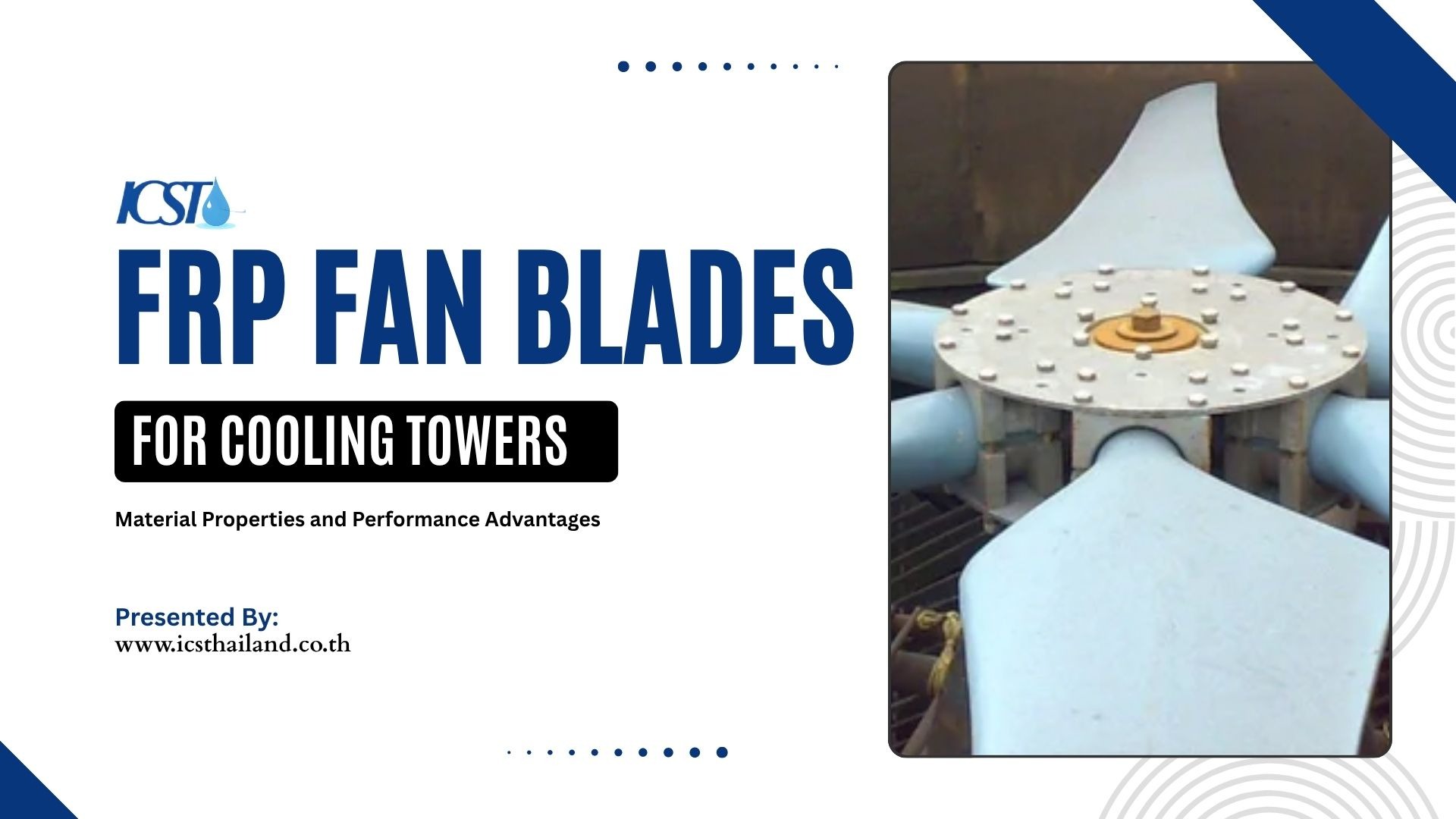
FRP cooling tower fan blades are engineered using advanced composites that provide superior strength and low weight. These structural components offer excellent corrosion immunity in harsh operating environments.
Compared to traditional metal options, a modern fiberglass blade delivers improved energy efficiency and enhanced airflow control. These properties make composite blades the preferred choice for industrial cooling towers. They deliver a longer service life, require lower maintenance, and optimize thermal performance across diverse industrial applications.
What Are FRP Cooling Tower Fan Blades?
Material selection dictates the overall success of industrial cooling systems. Manufacturers design these composite structures using specialized materials to maximize airflow performance.
The unique composition allows engineers to create shapes and strength levels that traditional metals simply cannot achieve. These key elements define the structure of modern blades:
- They feature a fiber-reinforced plastic composition for maximum durability.
- They utilize molded aerodynamic profiles to optimize air distribution.
- They operate primarily within heavy-duty axial cooling tower fans.
Why FRP Has Replaced Metal in Modern Cooling Towers
Material selection directly impacts efficiency, durability, and routine maintenance requirements. Engineers recognize that material evolution provides the primary reason for improved cooling tower efficiency over the last decade.
Limitations of Metal Blades
Older cooling systems rely heavily on metal components that fail under harsh conditions. This constant degradation forces facilities to spend heavily on replacement parts and labor. Metal blades exhibit several severe limitations:
- They suffer rapid corrosion in humid and chemical-rich environments.
- They possess a higher weight, which directly causes a higher motor load.
- They experience structural fatigue and permanent deformation over time.
Advantages of Fiberglass Blade Technology
Modern facilities choose a fiberglass blade to overcome the inherent flaws of metal. This material transition drastically reduces operational costs while boosting reliability. The advanced technology provides distinct operational benefits:
- They remain highly corrosion-resistant in aggressive chemical environments.
- They are extremely lightweight, weighing up to 80 percent less than steel.
- They provide a longer lifespan and maintain strict structural stability.
Material Properties of FRP Fan Blades
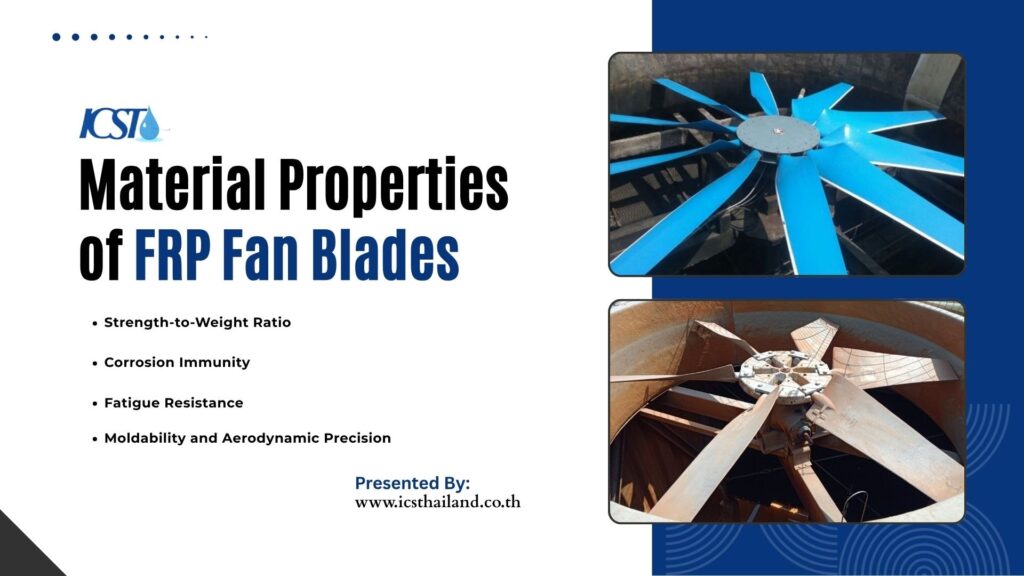
Understanding fundamental material properties explains why FRP performs better in active environments. These characteristics directly influence mechanical longevity and operational safety.
Strength-to-Weight Ratio
A high strength-to-weight ratio allows components to perform rigorous tasks without adding unnecessary mass. Engineers prioritize this property to protect the broader mechanical system.
- They deliver high structural strength with exceptionally low density.
- They reduce the continuous physical load placed on the gearbox and motor.
Corrosion Immunity
Industrial water systems expose mechanical parts to constant moisture and harsh chemicals. Total corrosion immunity ensures the blade structure remains intact regardless of the water quality.
- They remain highly resistant to moisture, corrosive chemicals, and UV exposure.
- They prove ideal for heavy industrial environments and chemical processing plants.
Fatigue Resistance
Cooling fans operate continuously for months at a time. The materials must withstand millions of rotational cycles without developing micro-cracks.
- They withstand continuous cyclic loading without experiencing material failure.
- They remain highly suitable for long-term, uninterrupted commercial operation.
Moldability and Aerodynamic Precision
FRP materials maintain their exact shape under heavy aerodynamic loads. This structural rigidity ensures consistent performance from the first day of operation to the last.
- They allow manufacturers to cast complex, highly efficient airfoil designs.
- They improve overall airflow efficiency by minimizing aerodynamic drag.
Blade Design Parameters That Impact Performance
Performance relies on more than just the raw material. It depends heavily on precise design engineering and physical configuration. Poor mechanical balancing leads to catastrophic mechanical failure, regardless of the material used.
Variable Pitch Mechanism
Operators need to adjust cooling systems to match seasonal demands. A variable pitch mechanism provides the flexibility needed to fine-tune system performance.
- They adjust airflow volume and overall power consumption easily.
- They allow complete system optimization based on specific thermal requirements.
Blade Profile and Airfoil Design
The physical shape of the blade dictates how air moves through the tower. Superior airfoil designs prevent wasted energy and maximize cooling output.
- They determine the overall airflow efficiency of the entire cooling tower.
- They actively reduce air turbulence and minimize aerodynamic losses.
Blade Weight and Rotational Inertia
Heavy components require massive amounts of electricity to start moving. Reducing blade weight directly translates to lower utility bills and less mechanical strain.
- They reduce energy demand because lighter blades require less force to spin.
- They improve system startup sequences and enhance shutdown efficiency.
- They extend the life of motors and drive systems by reducing startup torque.
Dynamic Balancing
Vibrations destroy mechanical equipment faster than any other operational hazard. Strict dynamic balancing eliminates these destructive forces before they cause damage.
- They minimize destructive vibrations throughout the cooling tower, preventing premature structural fatigue.
- They protect critical and expensive internal components, such as bearings and gearboxes, from vibrational damage, extending their operational lifespan.
Performance Advantages of FRP Cooling Tower Fan Blades
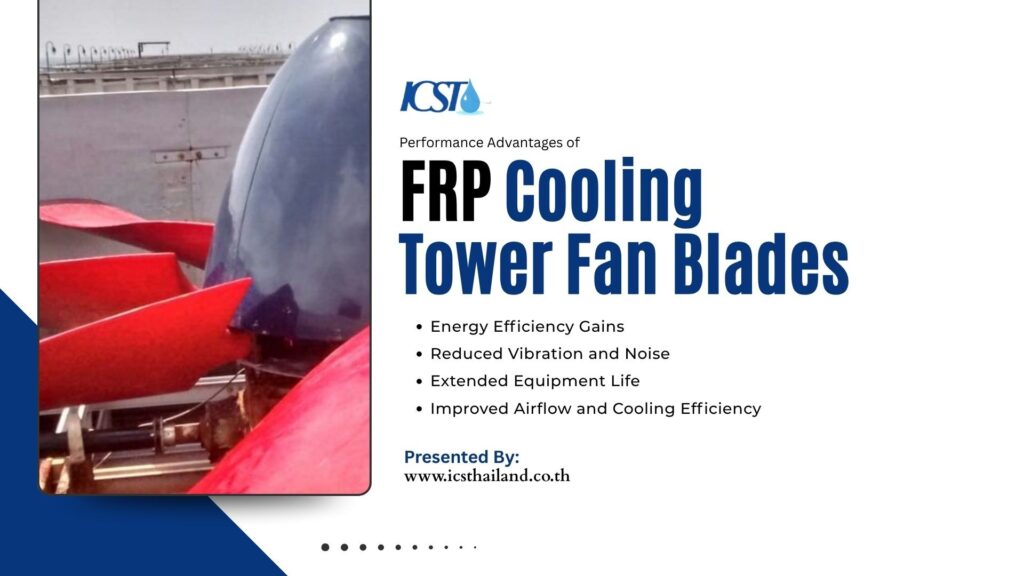
The combination of advanced materials and precise design delivers measurable performance improvements. Facilities quickly recover their investment through these tangible operational upgrades.
Energy Efficiency Gains
Powering large cooling fans requires massive amounts of electricity. FRP materials cut down this electrical demand significantly. They provide reduced power consumption, often lowering energy use by 25 to 40 percent.
Reduced Vibration and Noise
Excessive noise and shaking indicate an inefficient mechanical system. Upgrading the blades resolves these disruptive environmental issues.
- They ensure smoother operation across all rotational speeds.
- They provide improved system stability and lower decibel outputs.
Extended Equipment Life
Protecting the drive system ensures the cooling tower operates reliably for decades. Lighter blades remove the stress that typically causes premature motor failure by placing far less strain on critical mechanical components, which results in a drastically reduced maintenance frequency.
Improved Airflow and Cooling Efficiency
The primary goal of any cooling tower is to remove heat efficiently, and superior blade designs accomplish this with minimal effort. They feature optimized blade geometry for maximum air displacement and deliver consistent airflow distribution across the entire water basin.
How to Select the Right FRP Fan Blade for Your Cooling Tower
Proper selection must center on exact system requirements, rather than just the base material. Installing the wrong blade profile can severely damage the existing mechanical infrastructure.
Key Selection Criteria
Engineers must evaluate the exact dimensions of the tower before ordering replacement parts. Accurate measurements guarantee the new blades will deliver the required thermal performance.
- They require exact measurements of the fan diameter and operational speed.
- They must match the specific airflow requirements of the facility.
- They need to withstand the local environmental conditions and chemical exposure.
Compatibility Considerations
The new blades must work in perfect harmony with the existing mechanical drive system. Mismatched components will cause the motor to burn out rapidly.
- They must fall within the maximum operating limits of the motor capacity.
- They must align perfectly with the designated gearbox rating.
- They must physically fit within the existing aerodynamic tower design.
When to Upgrade from Metal to FRP
Facilities should not wait for a catastrophic failure to upgrade their equipment. Proactive replacement prevents expensive emergency downtime.
- Frequent Corrosion and Part Replacements: If your metal fan components are consistently suffering from corrosion and require frequent replacements, upgrading to FRP can significantly reduce maintenance costs and extend the lifespan of your equipment.
- High Energy Consumption: Metal blades can lose their efficiency over time due to wear and tear, leading to higher energy bills. Transitioning to lightweight, aerodynamically efficient FRP blades can noticeably lower power usage.
- Persistent Vibration Problems: Unbalanced or damaged metal blades often cause persistent vibrations, which can lead to further mechanical failures in the drive system. Replacing them with precisely balanced FRP units resolves these issues and improves operational stability.
Conclusion
Upgrading to FRP cooling tower fan blades represents a critical step in modernizing industrial thermal management systems. By reducing overall blade weight, facilities drastically lower their energy consumption while protecting critical drive components from unnecessary stress.
When combined with strict dynamic balancing, these composite blades deliver unparalleled stability, longevity, and performance. Facilities that transition to FRP cooling tower fan blades secure a more reliable, cost-effective, and powerful cooling solution for the future.
Ready to enhance your cooling system’s performance and efficiency? Contact Industrial Cooling Solutions today to explore our innovative FRP fan blades and receive a personalized quote.
Frequently Asked Questions
What are FRP cooling tower fan blades?
FRP cooling tower fan blades are composite blades made from fiberglass-reinforced plastic, designed to provide high strength, corrosion resistance, and efficient airflow in cooling towers.
Why are FRP blades better than metal blades?
FRP blades are lighter, corrosion-resistant, and more durable than metal blades, resulting in improved energy efficiency and longer service life.
What is variable pitch in fan blades?
Variable pitch allows adjustment of the blade angle to control airflow and optimize performance based on operating conditions.
How does dynamic balancing improve performance?
Dynamic balancing reduces vibration, ensuring smooth operation and protecting mechanical components like bearings and gearboxes.
How long do FRP cooling tower fan blades last?
FRP blades typically last 15 to 25 years with proper maintenance due to their high resistance to corrosion and structural fatigue.