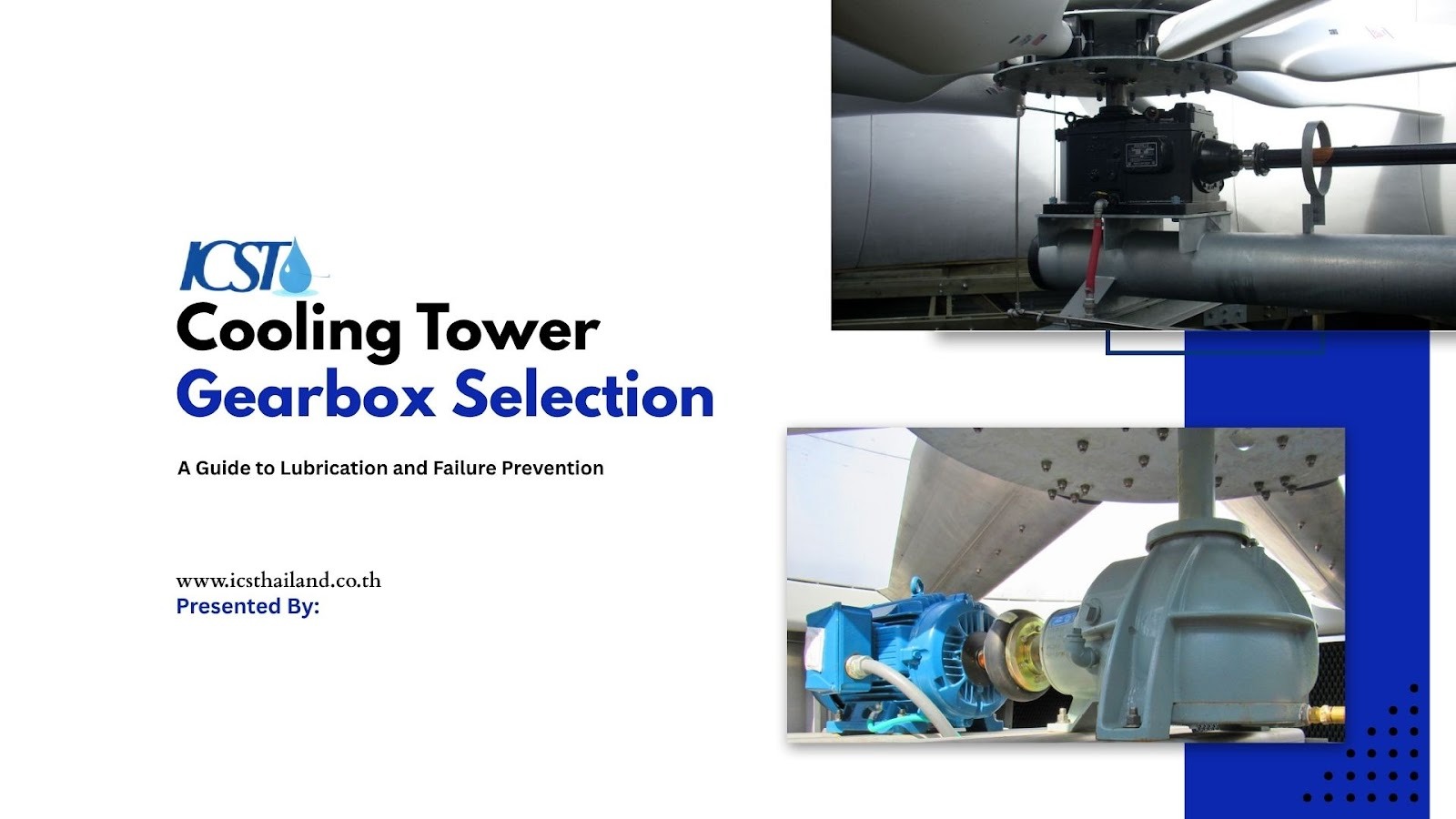
Achieving cooling tower reliability requires a specific focus on cooling tower gearbox selection. Engineers must carefully evaluate the gear ratio and the service factor to match operational demands. After selection, proper lubrication using ISO VG 220 oil guarantees smooth movement.
Without this strict attention, improper setup easily leads to premature failure. This logical progression from SELECTION to LUBRICATION ultimately dictates whether you experience severe FAILURE or achieve successful bearing failure prevention. Gearbox reliability depends entirely on correct selection, precise lubrication, and strict maintenance protocols.
Why Gear Reducers Are Critical in Cooling Tower Performance
Gear reducers play a central role in controlling fan speed, torque transmission, and overall system efficiency. They act as the heart of the mechanical structure. If the reducer fails, the entire cooling process stops. You must understand their specific functions to maximize operational lifespan.
Consider these critical roles that gear reducers perform daily:
- Regulate fan rotation to maintain optimal airflow.
- Ensure energy efficiency by matching motor output to demand.
- Support mechanical stability under heavy operational loads.
- Directly impact cooling performance and facility productivity.
Cooling Tower Gearbox Selection: Key Engineering Factors
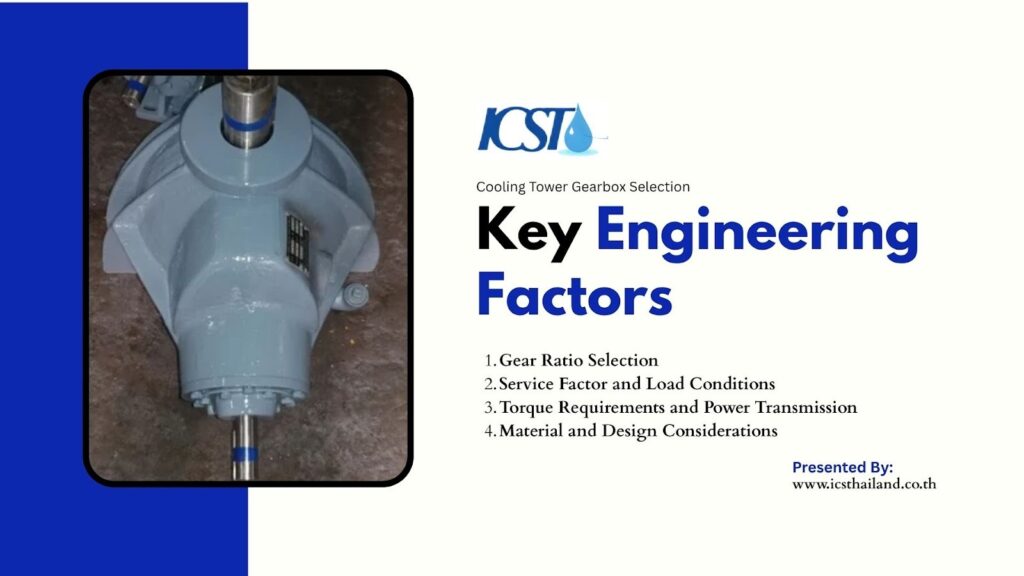
Proper cooling tower gearbox selection requires more than picking a size out of a catalog. It requires understanding load conditions, operating environment, and strict performance requirements. Engineers must evaluate multiple variables to guarantee long-term stability.
Gear Ratio Selection and Its Impact on Fan Performance
The gear ratio dictates the relationship between motor speed and fan speed. A correct calculation prevents the fan from spinning too fast or too slow.
You want to achieve peak performance without wasting energy. These elements define proper ratio configuration:
- Optimizing airflow efficiency to meet specific thermal demands.
- Avoiding under-speeding, which reduces cooling capacity.
- Preventing over-speeding, which damages fan blades and mounts.
Service Factor and Load Conditions
The service factor acts as a safety multiplier for the gearbox. It accounts for shock loads and unpredictable operational stresses.
Selecting a robust multiplier prevents catastrophic overloads during startup. Focus on these specific load conditions:
- Accounting for shock loads generated by high wind forces.
- Distinguishing between continuous operation and intermittent use.
- Establishing strict safety margins to protect internal gears.
Torque Requirements and Power Transmission
Calculating torque needs ensures the gearbox can handle the physical twist required to turn massive fans. You must match the motor output directly to the gear reducer rating.
Proper Cooling Tower Gearbox Selection means ensuring the torque rating is sufficient; otherwise, the gears will shear. Always calculate the maximum starting torque alongside the running torque to avoid this failure.
Material and Design Considerations
Choosing the right materials and design is crucial for longevity, especially since cooling towers create hostile, wet environments. To ensure durability in these harsh conditions, which are often filled with moisture and chemical vapors, several factors must be considered:
- Corrosion Resistance: To protect the metal housing, prioritize materials with high corrosion resistance. Manufacturers often use high-grade cast iron or apply specialized epoxy coatings.
- Heavy-Duty Seals: Robust seals are essential to prevent moisture and chemical ingress, safeguarding the internal components.
Lubrication Strategy for Cooling Tower Gear Reducers
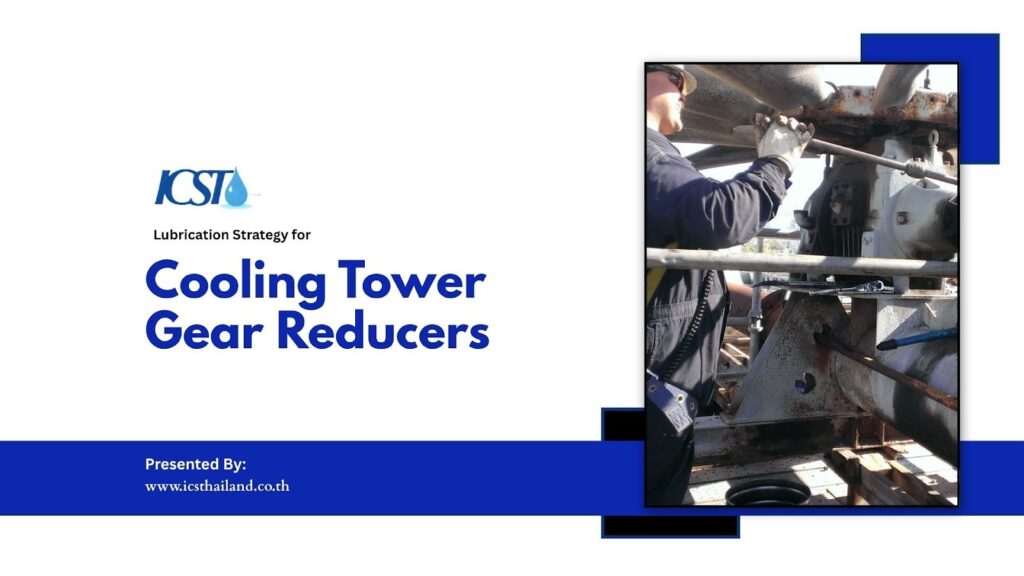
Proper lubrication is essential for reducing friction, heat, and wear in gearbox components. Oil creates a protective film between grinding metal teeth. Without this film, the metal deteriorates rapidly. You need a strict strategy to maintain this protective layer.
Choosing the Right Lubricant (ISO VG 220 and Beyond)
Viscosity selection determines how well the oil coats the moving parts. Industry standards heavily favor ISO VG 220 due to its optimal thickness.
Temperature considerations dictate whether you need synthetic or mineral formulations. Make sure you evaluate these lubricant properties:
- Selecting the exact viscosity grade recommended by the manufacturer.
- Factoring in extreme ambient temperatures that thin the oil.
- Verifying the load-bearing capacity to prevent metal contact.
Oil Change Interval and Maintenance Scheduling
Your oil change interval directly determines the lifespan of the internal components. Oil degrades over time due to heat and mechanical shearing.
To ensure reliability, after yourthat y attention to these scheduling factors:
- Following the strict recommended intervals provided by the gear manufacturer.
- Monitoring factors affecting oil degradation, such as excessive heat.
- Scheduling changes before the chemical additives completely break down.
Common Lubrication Mistakes
Proper lubrication practices are essential, but simple mistakes can lead to significant damage. Training your technicians to avoid common errors is key to extending the life of your gearbox and preventing costly downtime.
Key mistakes to avoid include:
- Over-lubrication: This can cause churning, generating excessive heat that destroys seals.
- Contamination: Leaving fill ports open can allow humid air and other contaminants to enter the system.
- Using incorrect oil: Applying the wrong lubricant type can strip away the protective film and damage bearings.
- Mixing incompatible lubricants: Combining different types of oils or greases can cause a chemical reaction that degrades their lubricating properties, leading to component failure.
- Ignoring oil analysis results: Failing to act on data from routine oil analysis means missing early warnings of contamination, wear, or chemical breakdown, allowing minor issues to become major failures.
Common Gearbox Failures in Cooling Towers
Understanding failure modes helps in early detection and prevention of major breakdowns. Facilities lose thousands of dollars when a gear reducer fails unexpectedly. You can spot the warning signs if you know exactly what to observe. Here are the primary modes of failure.
Bearing Failure and Its Early Warning Signs
Bearings handle immense rotational forces and often fail first. Bearing failure prevention relies on catching the early indicators.
Do not wait for a complete seizure to take action. Watch for these distinct warning signs:
- A sudden vibration increase detected by handheld sensors.
- Strange noise patterns that sound like grinding or whining.
- Localized overheating around the bearing housing.
Gear Wear and Misalignment Issues
Uneven load distribution strips the metal directly off the gear teeth. Improper installation usually causes this precise misalignment. When technicians fail to align the motor shaft with the gearbox input shaft, the resulting vibration destroys the gear mesh.
Overheating and Lubrication Breakdown
Oil degradation accelerates rapidly when operating temperatures exceed design limits. A friction increase occurs as the oil loses its viscosity. This creates a dangerous cycle where heat destroys the oil, and the ruined oil creates even more heat.
Root Causes Behind Gear Reducer Failures
Understanding the primary reasons for gear reducer failure is the first step toward prevention, and it often starts with proper cooling tower gearbox selection. Often, the issues begin long before the equipment is even installed and are compounded by maintenance oversights and harsh operating conditions.
Here are the main root causes to watch for:
- Improper Gearbox Selection: Specifying an undersized unit is the leading cause of failure. This forces the gearbox to operate continuously beyond its mechanical limits.
- Inadequate Lubrication: This is the second most common cause, where poor maintenance practices allow minor issues to escalate into catastrophic breakdowns.
- Severe Environmental Factors: Harsh conditions, such as chemical water treatments, can break down protective coatings and seals, leading to contamination and failure.
Preventive Maintenance Framework for Gear Reducers
A structured maintenance strategy ensures long-term reliability and reduces unexpected downtime. Facilities that guess at maintenance schedules always face higher replacement costs.
You need a rigid framework that dictates specific actions. Build your maintenance program around these core pillars:
- Establishing regular inspection schedules for all external seals.
- Conducting quarterly oil analysis to check for suspended metal shavings.
- Deploying predictive maintenance tools like thermal imaging cameras.
- Documenting component replacement planning to secure spare parts early.
Expert Checklist for Cooling Tower Gearbox Reliability
Standardizing your procedures is key to avoiding catastrophic failures. A strict checklist, covering everything from initial Cooling Tower Gearbox Selection to routine maintenance, removes guesswork from the equation.
Give your technicians a clear path to success. Mandate the use of this expert checklist:
- Confirm correct gear ratio selection matches the fan pitch.
- Verify that the appropriate service factor exceeds the motor horsepower.
- Guarantee the use of pure ISO VG 220 synthetic oil.
- Track a strict oil change interval in your management software.
- Continuously monitor vibration and temperature on all bearing housings.
Final Thoughts
Optimizing your cooling infrastructure requires a strict commitment to proper cooling tower gearbox selection. When you calculate the ideal gear ratio and specify a robust service factor, you build a foundation for long-term success. Protecting that investment means adhering strictly to the required oil change interval using premium ISO VG 220 lubricants.
By enforcing rigorous maintenance standards, you guarantee effective bearing failure prevention and keep your facility operating at absolute peak efficiency. Ensure your engineering team treats these selection and maintenance protocols as absolute requirements.
For expert guidance on optimizing your cooling tower performance, contact Industrial Cooling Solutions Thailand today.
Frequently Asked Questions
What is the best gearbox for cooling towers?
The best unit features a high-grade cast iron housing, double lip seals, and gears rated for continuous duty. Proper cooling tower gearbox selection depends on matching these features to your specific horsepower and environmental requirements.
How do you select the right gear ratio?
You calculate the exact input speed from the motor and divide it by the desired output speed for the fan. This ensures the fan operates at its optimal aerodynamic efficiency.
Why is ISO VG 220 used in gear reducers?
It provides the exact viscosity required to maintain a protective oil film at high operating temperatures. The heavy thickness prevents metal-to-metal contact under heavy torque loads.
What causes bearing failure in cooling tower gearboxes?
Contaminated oil, misaligned shafts, and excessive vibration destroy bearings rapidly. Routine monitoring is the most effective method for true bearing failure prevention.
How often should gearbox oil be changed?
You should observe the manufacturer’s guidelines, which typically suggest an oil change interval of every 2,500 operating hours or every six months. Environmental factors like extreme heat require more frequent changes.