Explore ICST’s blog for expert insights and latest trends in industrial cooling solutions. Stay updated and optimize your plant’s performance today.
It’s the hottest day of the year, and your facility’s cooling system suddenly grinds to a halt. Production lines stop, data centers overheat, and the potential for lost revenue skyrockets with every passing minute. This nightmare scenario is a reality for many industrial and commercial operations. Cooling system failures lead to costly downtime, soaring energy…
Cooling towers are the dynamic lungs of an industrial facility. Their failure is not just a maintenance issue; it is a direct bottleneck to production and a drain on your budget. In 2026, even a minor inefficiency can have major consequences. For instance, a seemingly small 2°C rise in your cooling tower’s approach temperature can…
Standard 15-year estimates for an expected cooling equipment lifespan fail in the 2026 climate of record-high ambient temperatures and soaring energy costs. Environmental factors and mechanical stress place unprecedented demands on every HVAC system. Facility managers must plan to maintain optimal performance and avoid costly repairs. Understanding how to extend asset life by 10 years…
As Singapore enforces the 2026 Mandatory Energy Improvement (MEI) regime, the need for advanced cooling tower parts in Singapore becomes more pressing than ever. Compliance is no longer optional; it is a regulatory necessity. Facility managers must proactively replace outdated components with cutting-edge, high-efficiency cooling tower parts to meet strict energy reduction targets. These upgrades…
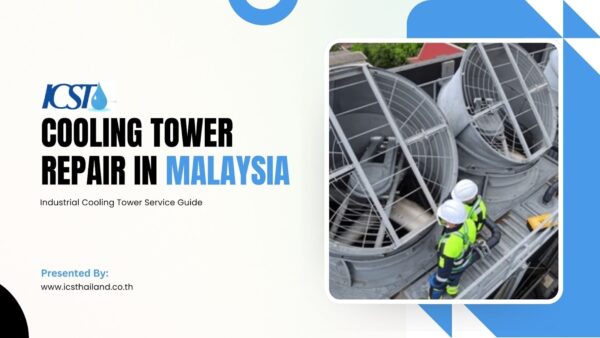
What keeps Malaysia’s industrial sector running 24/7? From factories to power plants, it’s the cooling towers working behind the scenes to maintain operations. But what happens when these systems fail? Production halts, costs skyrocket, and safety risks become an immediate concern. Cooling tower repair in Malaysia is not a niche service. It is a critical…
Asia’s industrial sector is expanding at a pace that few regions can match. Manufacturing hubs, power generation facilities, data centers, and petrochemical plants are scaling up across Southeast Asia, East Asia, and South Asia. Each of these facilities depends on reliable thermal management, and cooling towers sit at the center of that requirement. For project…
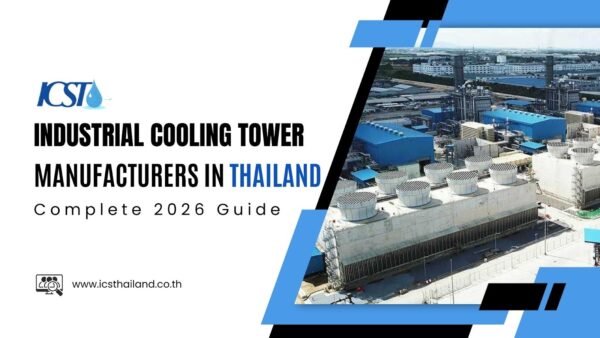
Thailand has become one of Southeast Asia’s most dynamic industrial hubs. From petrochemical refineries in Map Ta Phut to large-scale power generation facilities across the central plains, the country’s manufacturing sector continues to expand at a rapid pace. With that growth comes an urgent and consistent demand for one critical piece of infrastructure: industrial cooling…
Imagine facing a sudden shutdown in the heart of peak production. Could one maintenance oversight set your entire operation back? The changing industrial landscape in 2026 demands more than routine checks. New regulations, such as Thailand’s Clean Air Act and lucrative BOI incentives, have raised the bar for liability, safety, and profitability. This cooling tower…
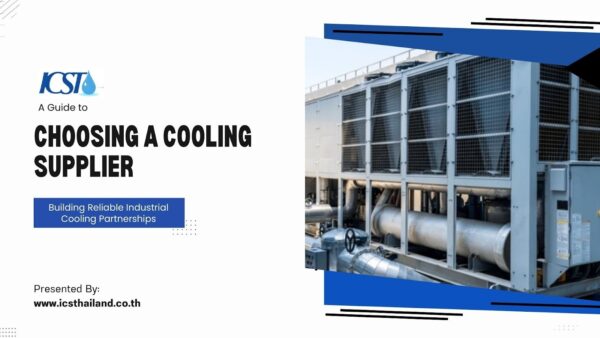
Industrial cooling systems are essential for operational success, regulating temperatures to protect equipment and maintain product quality in various facilities. System failure can lead to production halts, increased costs, and safety hazards, making your choice of a cooling supplier a critical strategic commitment. This decision impacts efficiency, uptime, and long-term costs. While many focus on…
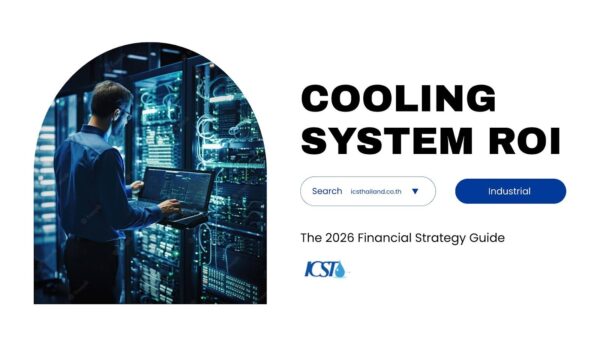
The definition of Industrial Cooling System ROI has changed fundamentally. In previous years, facility managers looked strictly at the electricity bill. In 2026, a truly comprehensive financial strategy must look beyond simple utility costs. To calculate the true value of your cooling infrastructure, you must now factor in Tax Incentives (BOI), Carbon Credits, and Water…