Explore ICST’s blog for expert insights and latest trends in industrial cooling solutions. Stay updated and optimize your plant’s performance today.
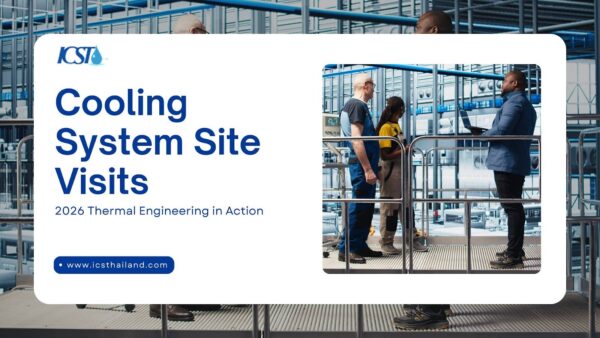
In the world of critical cooling, seeing is believing. The era of accepting blueprints and promises at face value is over. Today, industrial partners demand proof of performance before procurement. This shift toward transparency is where true engineering excellence stands apart. High-performance cooling systems must be both technically rugged and financially feasible, built to withstand…
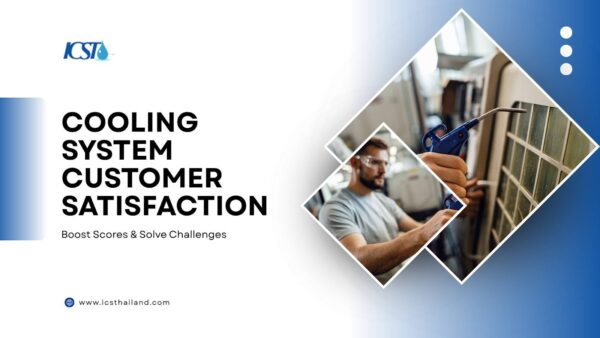
The industrial landscape of 2026 demands more than just basic temperature control. Cooling system customer satisfaction is no longer about merely fixing a broken fan or refilling a refrigerant. It is about predictive stewardship and transparency regarding Water Usage Effectiveness (WUE). Industrial partners now expect cooling systems to function as intelligent assets rather than passive…
In the Thai industry, a significant strategic shift is underway. The focus is moving from simple, transactional repairs to comprehensive “Thermal Stewardship.” This change is essential for meeting Thailand’s ambitious 2050 Net-Zero targets. For industrial operators, this means viewing cooling systems not as disposable components but as long-term assets critical to operational efficiency and environmental…
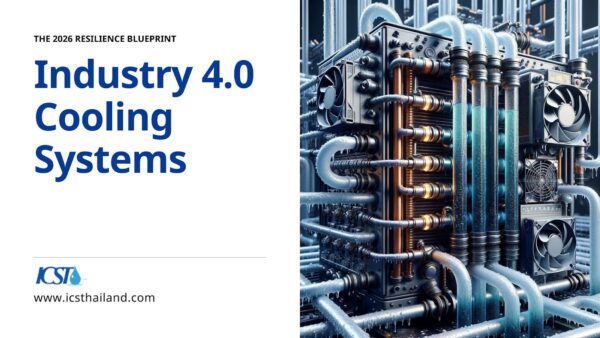
The year 2026 marks a critical pivot in industrial history. We have witnessed a cooling transition from a basic facility utility to a workload-aligned system. This shift drives the adoption of Industry 4.0 cooling systems powered by artificial intelligence and agentic AI. In the past, factory operators viewed cooling as a static necessity. Today, it…
The industrial landscape faces a critical turning point, and the need for a clear cooling technology roadmap has never been greater. Traditional air-cooling methods, specifically Computer Room Air Handlers (CRAH) and Computer Room Air Conditioning (CRAC), have officially hit the “Thermal Wall.” Rack densities now frequently exceed 120kW, a heat load that simply overwhelms legacy…
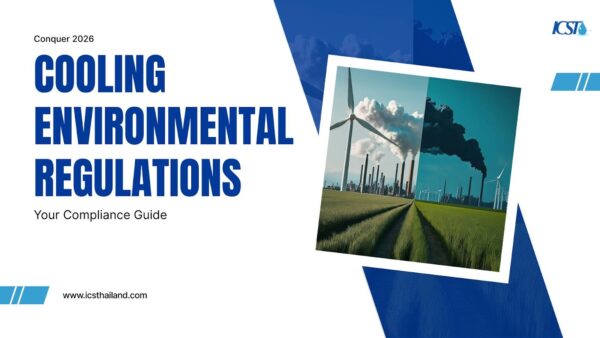
The landscape of industrial cooling changed permanently in 2026. Adhering to regulations is no longer a simple box-ticking task. It is now the defining factor between operational continuity and forced shutdowns. We have entered a year where regulatory bodies do not merely suggest efficiency; they mandate it. The Kigali Amendment moves into its most aggressive…
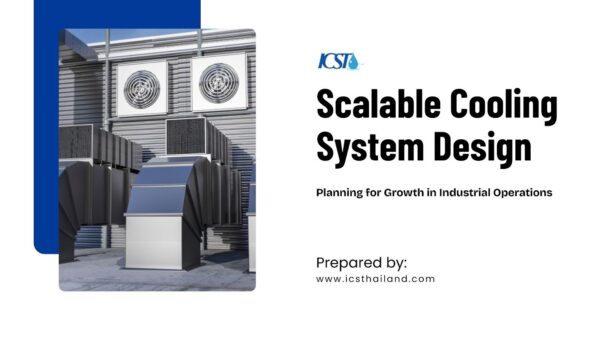
Is your facility outgrowing its current cooling infrastructure? Many engineers face the same hurdle: expanding capacity without costly downtime or starting from scratch. When production ramps up, a static cooling approach leads to bottlenecks and reliability issues. The solution is a scalable cooling system design. By prioritizing modularity and future-proofing, you can transform cooling from…
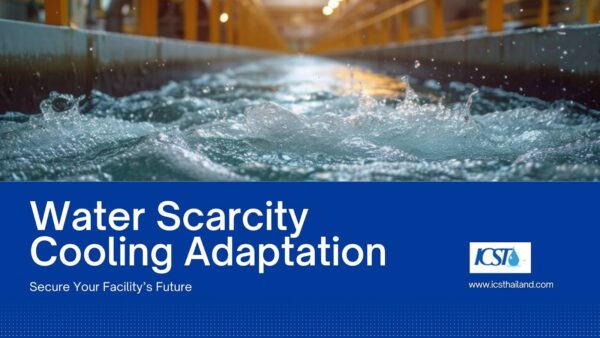
Are you prepared for the rising challenge of water scarcity cooling adaptation in 2026? As climate change accelerates, industries across Asia and the Middle East are no longer constrained by energy or budget, but by water. Traditional cooling methods are facing severe setbacks as drought, population growth, and strict regulations tighten water availability. An innovative,…
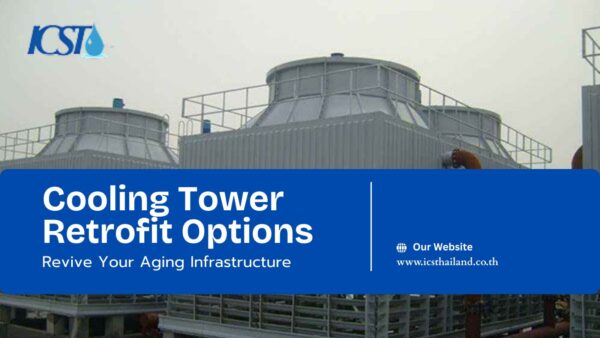
When was the last time you truly assessed the health of your cooling system? In the demanding world of industrial operations, cooling towers are the workhorses that never get a day off, enduring relentless heat cycles, chemical exposure, and constant water contact. But even the toughest machinery has a breaking point. As corrosion and mechanical…
Industrial cooling has reached a crucial turning point. As data centers and manufacturing facilities grow more complex and AI workloads climb, the old vapor compression systems simply cannot keep up. Stricter Net-Zero regulations and soaring temperatures do not make things easier. This is where next-generation cooling technologies come into play. These innovative solutions are designed…