Explore ICST’s blog for expert insights and latest trends in industrial cooling solutions. Stay updated and optimize your plant’s performance today.
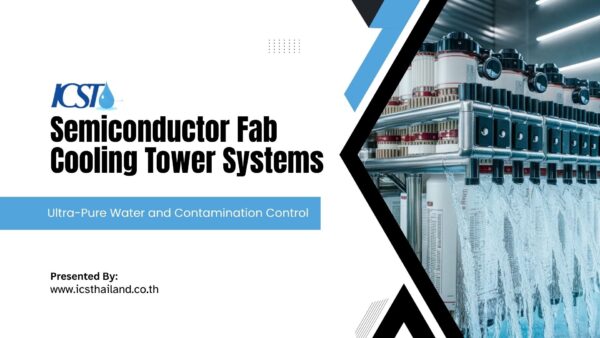
A modern semiconductor fab cooling tower system must deliver highly stable cooling while preventing contamination that could damage semiconductor manufacturing processes. Semiconductor fabs in Thailand and globally rely on strict temperature control, advanced contamination isolation, and reliable fab redundancy systems to protect wafer quality and maintain production uptime. Unlike standard industrial cooling systems, fabs require…
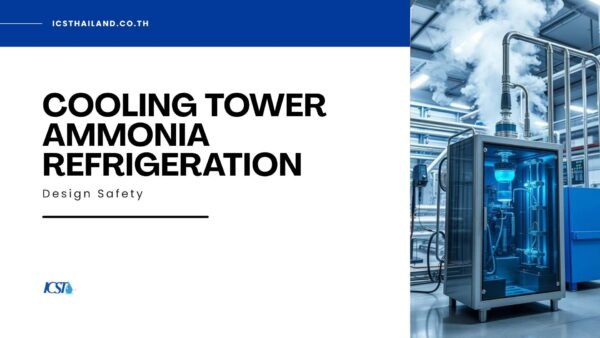
A cooling tower ammonia refrigeration system must meet ASHRAE 15 and ANSI/IIAR 2 standards, using ammonia-compatible materials like stainless steel and FRP to prevent corrosion. Advanced leak detection systems, such as pH and conductivity sensors, ensure early leak identification. Proper structural clearance and airflow design protect against toxic vapor exposure. These safety measures optimize system…
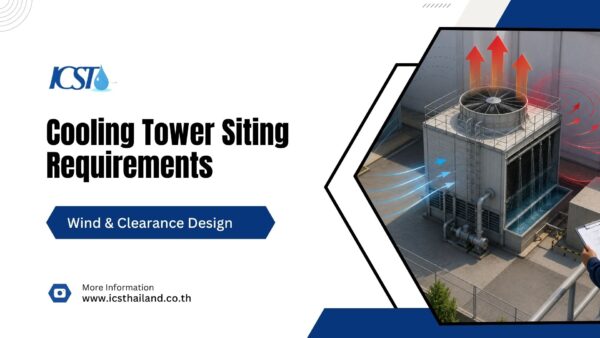
Proper cooling tower siting requirements directly affect airflow stability, thermal efficiency, energy use, and long-term reliability. Poor placement can cause hot air recirculation, restricted intake airflow, higher cold-water temperatures, corrosion exposure, and unnecessary fan energy demand. Facilities must study wind direction, optimize tower orientation, maintain correct clearance requirements, and evaluate nearby buildings before installation. Modern…
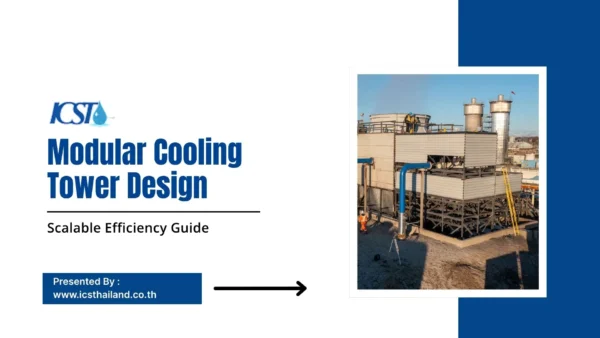
Modular cooling tower design divides total cooling capacity into smaller, independent cells instead of one large monolithic structure. This approach improves scalability, energy efficiency, and operational flexibility, since each cell can run, fail, or scale independently without shutting down the whole system. Paired with Variable Frequency Drives and N+1 redundancy, modular systems cut part-load energy…
Cooling tower noise vibration isolation minimises mechanical noise and vibrations from cooling towers, ensuring compliance with noise regulations and protecting surrounding environments. This process involves using vibration isolators, acoustic barriers, and flexible pipe connections to address both airborne and structure-borne noise. Proper isolation prevents structure-borne vibrations from transferring into building frameworks and reduces airborne noise…
Cooling tower seismic design requirements focus on ensuring structural resilience during seismic events. Key elements include robust anchor bolt systems, cross bracing, and compliance with ASCE 7 and IBC codes. These requirements address seismic loads, dynamic fluid sloshing, and lateral forces to prevent structural failure. Proper design incorporates flexible piping connections, ductile anchor bolts, and…
Cooling tower piping design ensures hydraulic stability by optimizing pipe sizing, reverse return layouts, and flow control. It prevents pump cavitation, water hammer, and uneven flow distribution, enhancing cooling system performance. Reverse return piping balances hydraulic resistance across cells, while anti-vortex designs and slow-closing valves protect against surges and air pockets. These measures improve energy…
To comply with modern safety standards, facilities must meet strict cooling tower documentation requirements. You must actively maintain and securely store operational records for a minimum of five years. Specifically, keep daily water quality logs that track pH and biocide levels. You must also retain all Legionella records and biological testing certificates from accredited labs.…
Proper cooling tower cleaning procedures combine both mechanical and chemical cleaning methods to remove scale, biofilm, sludge, algae, corrosion deposits, and microbiological contamination from the cooling system. Mechanical cleaning focuses on physically removing debris through methods like high-pressure jetting, vacuum cleaning, and manual scraping. Chemical cleaning dissolves mineral scale and biological fouling using acids, dispersants,…
Cooling tower spare parts inventory is vital for ensuring uninterrupted operations and reducing downtime. Stocking critical components such as fan motors, gearboxes, and float valves helps mitigate lead-time risks and prevents costly shutdowns. Effective inventory management, guided by ABC analysis and lead-time assessments, ensures facilities maintain optimal performance and extend equipment life. This strategic approach…